Mesabi Trail nears finish line with new 6.5-mile section
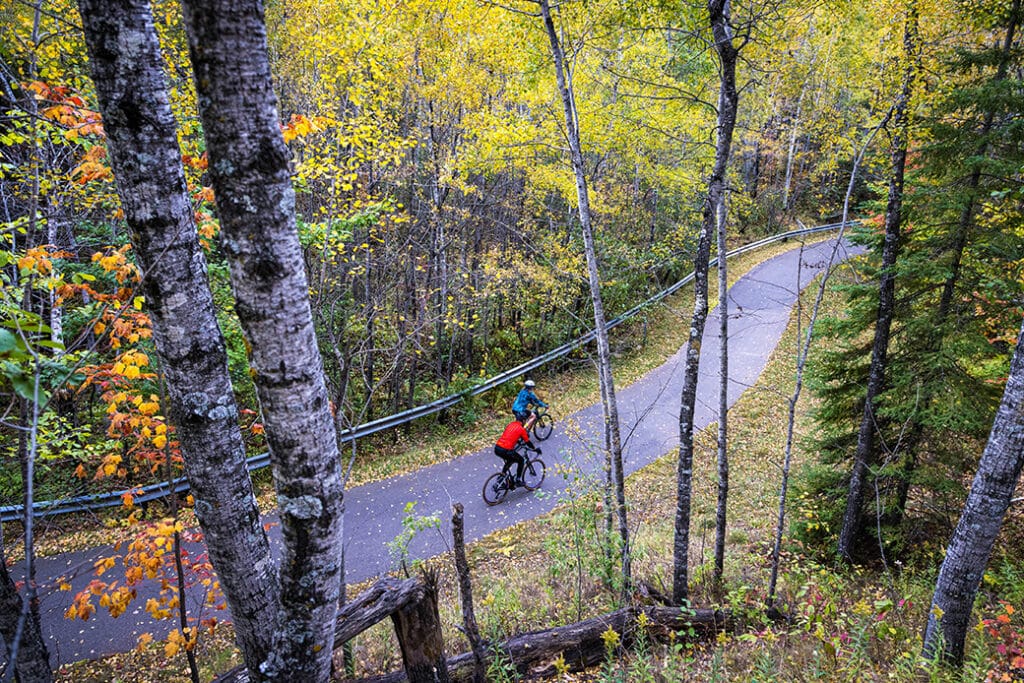
The Mesabi Trail is nearing completion as crews finish another section of Minnesota’s longest paved trail. Once complete, the trail will connect Grand Rapids and Ely with a continuous route.
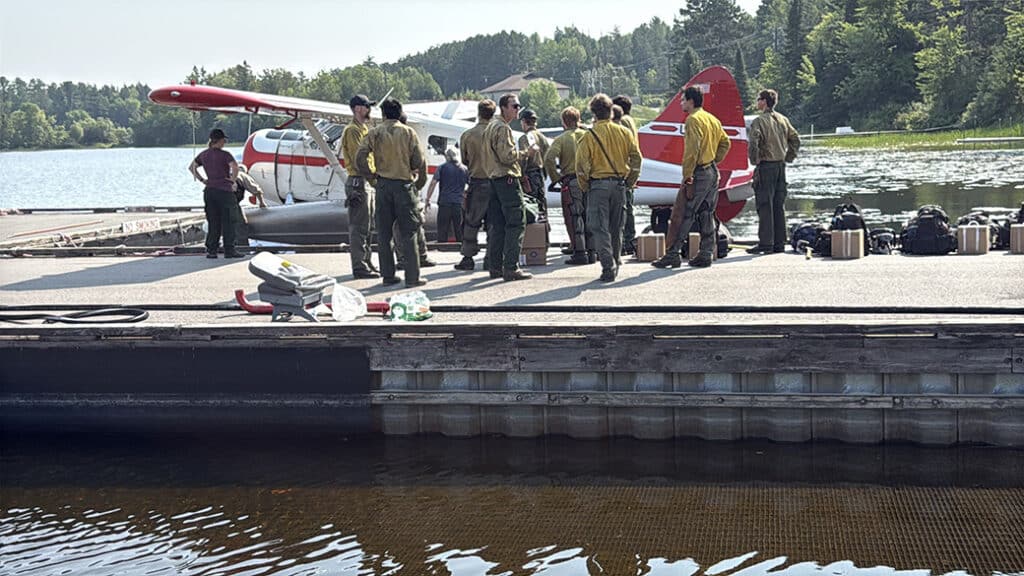
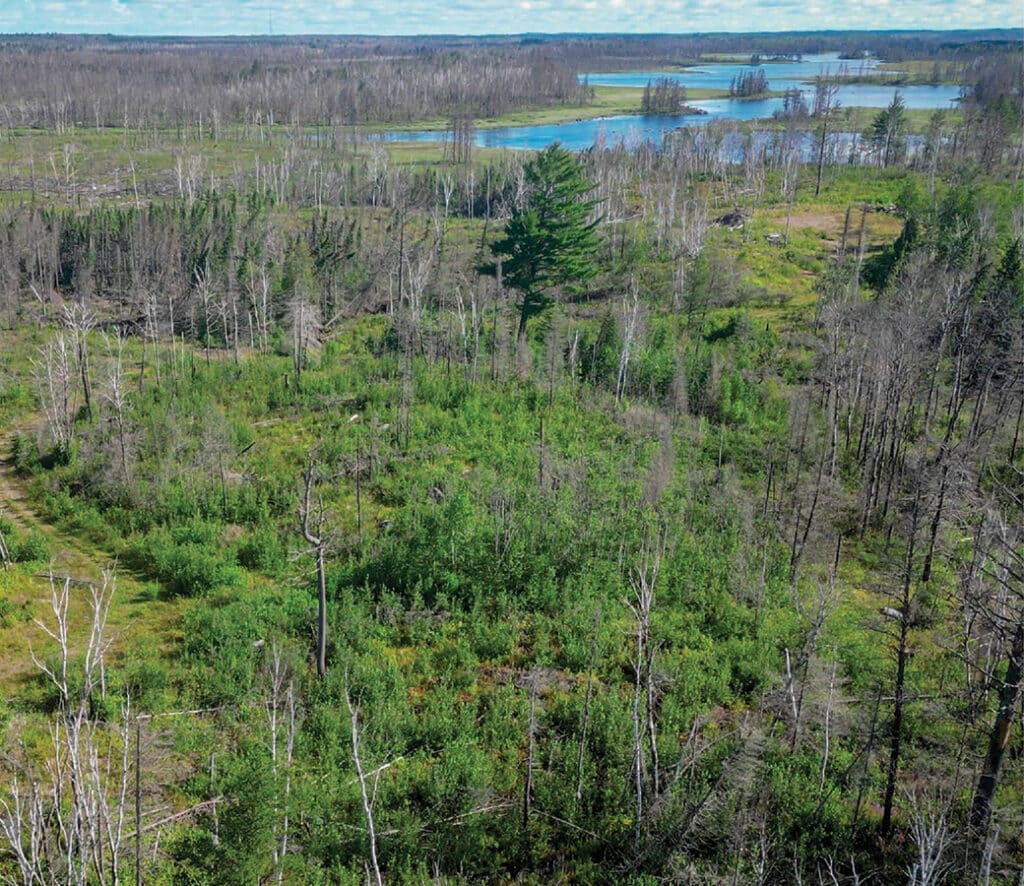
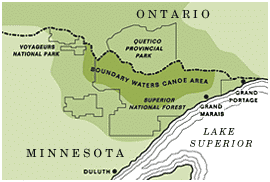
Wildfire season in the Boundary Waters is easing, partly because of rain and cooler temperatures, with many fires becoming more contained. Throughout the season, numerous agencies and wildland firefighting crews from across the United States have helped manage the incident, which has affected communities and dominated much of the summer news. One of the tools they use, the Beaver plane, has been instrumental in getting crews into remote, rugged areas.
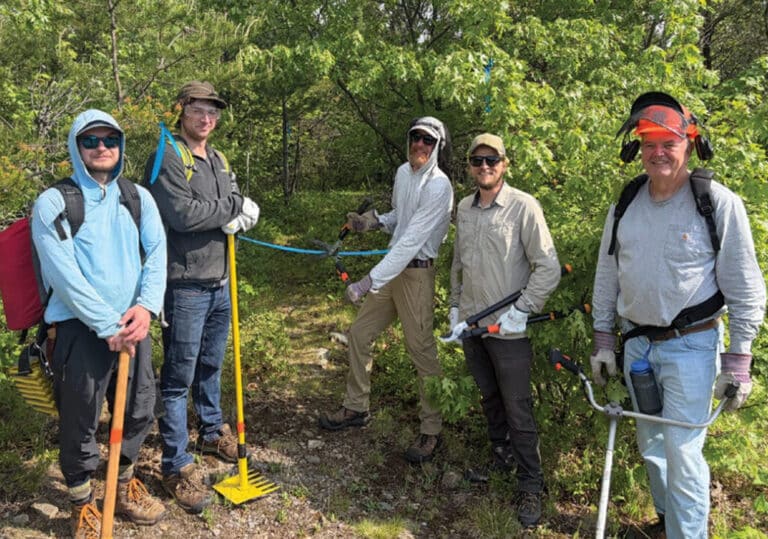
A new section of the Kekekabic Hiking Trail is being built east of Ely. by volunteer crews. Eventually, the trail will reach Kawishiwi Falls, eliminating a road walk along Fernberg Road.Â
Between August 1-9, everyone who visits the park is encouraged to document as many species as possible using the app iNaturalist. The goal of the project is to provide opportunities for the public to contribute to the scientific knowledge of the area, helping to inform park management and conservation efforts.
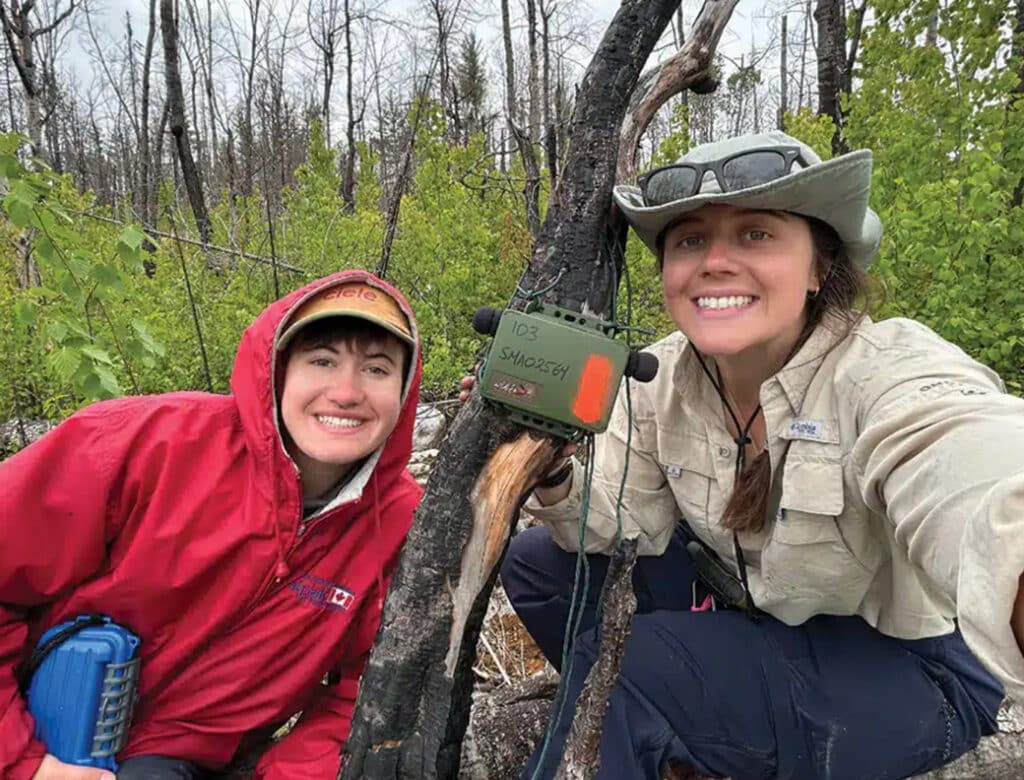
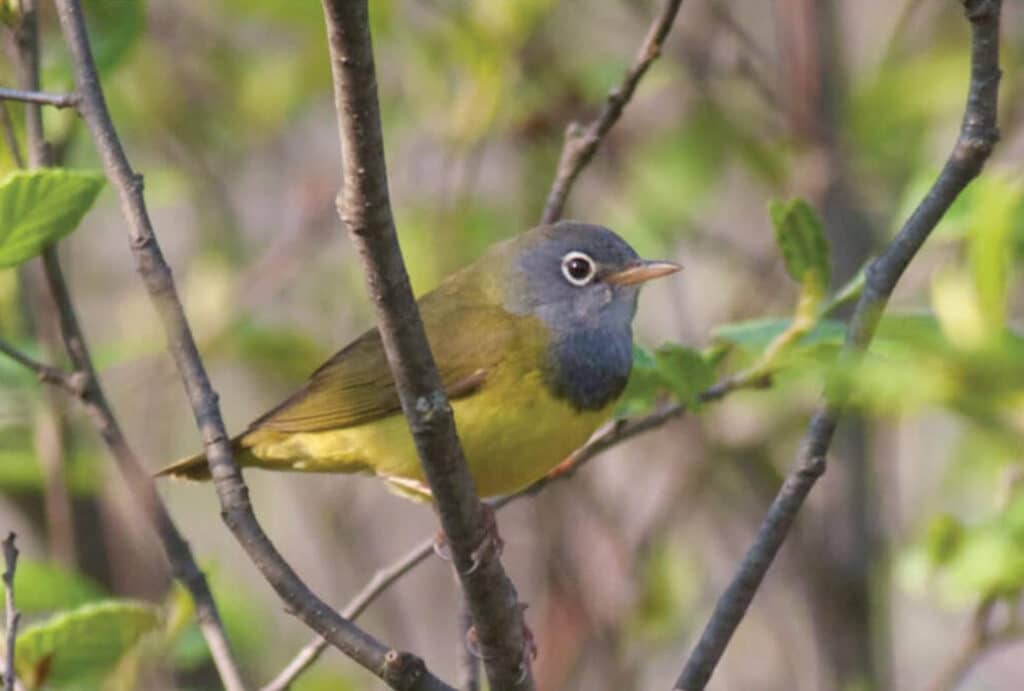
A long-term songbird study is underway deep within Quetico Provincial Park. This spring, researchers placed 17 recording units across key habitats to monitor songbird species. Data will reveal trends especially as climate change affects the park and bird species.
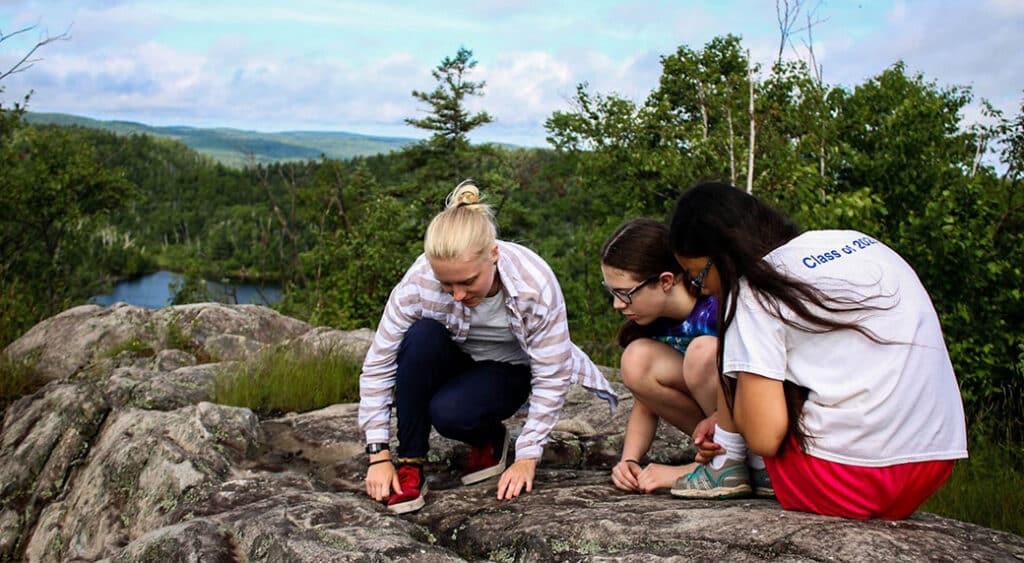
A conservation easement created in partnership between Wolf Ridge Environmental Learning Center and The Nature Conservancy now protects 928 acres of forested land forever. The center offers camps and activities to help people learn about forest ecology, sustainability, and land stewardship.
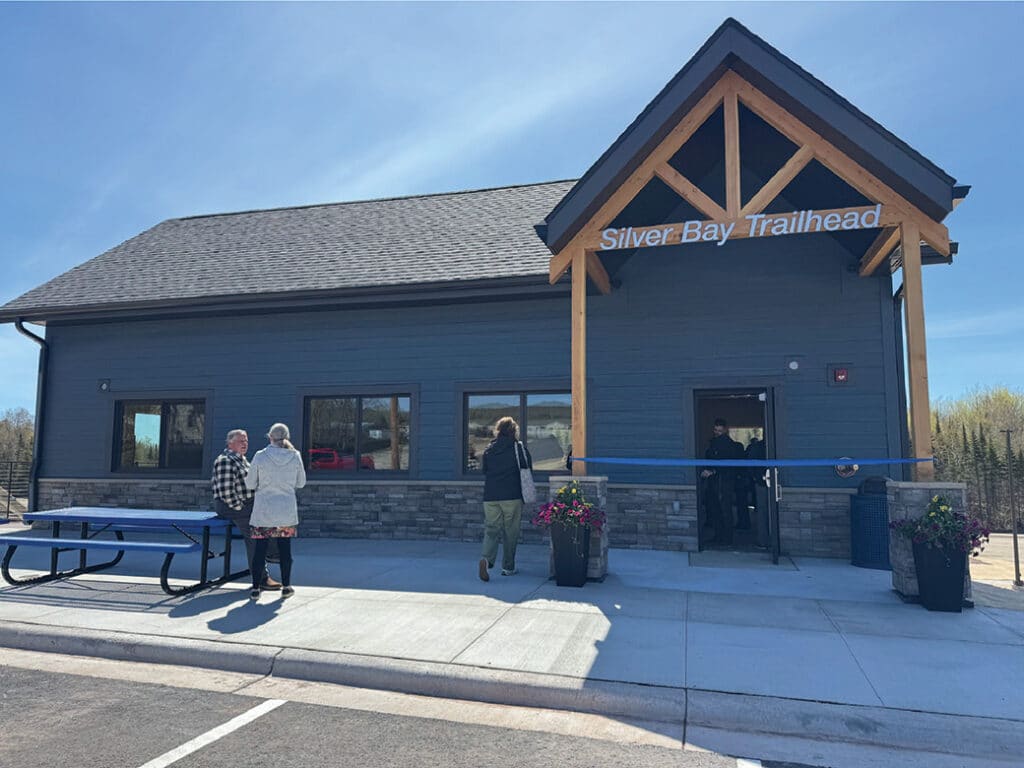
North Shore adventurers have a new basecamp. Silver Bay’s new downtown trail center sits at the crossroads of major hiking, biking, and snowmobiling routes, offering the perfect spot to relax, use the restroom, or shower after a day on the trails.
Friends of the Boundary Waters lost over a million dollars for its youth program after the state voted to eliminate the funding. Lawmakers said the organization should not receive public funds because it also engages in anti-mining advocacy.
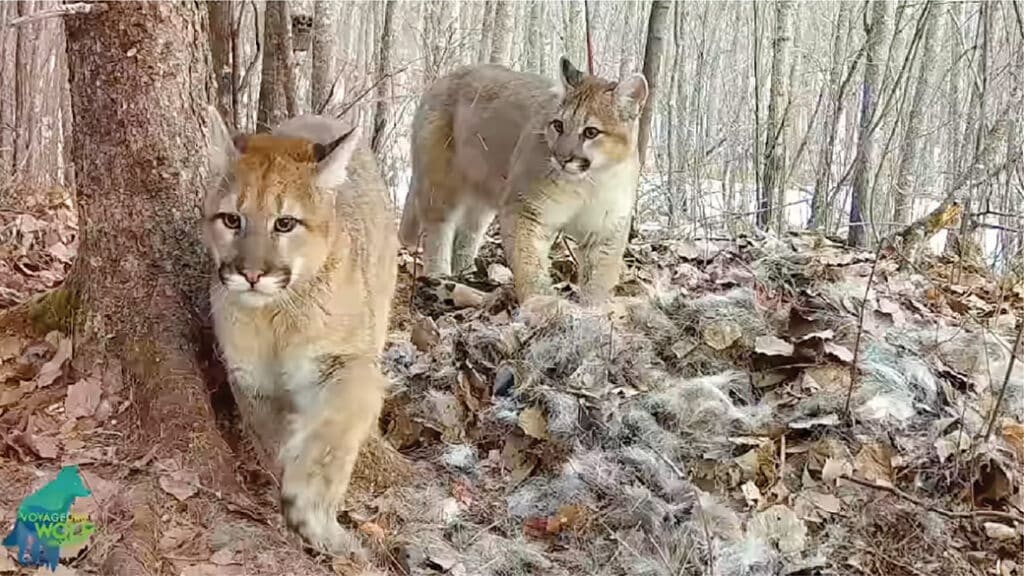
There is now evidence that cougars, which used to be native to Minnesota, are reproducing in the state again. A recent video shared by the Voyageurs Wolf Project caught a female cougar and three kittens on one of their trail cams.
When the ice will be out on Boundary Waters lakes? Using scientific and historical data, an online thaw tracker provided by the Minnesota Sea Grant helps estimate when ice will disappear from Minnesota lakes.
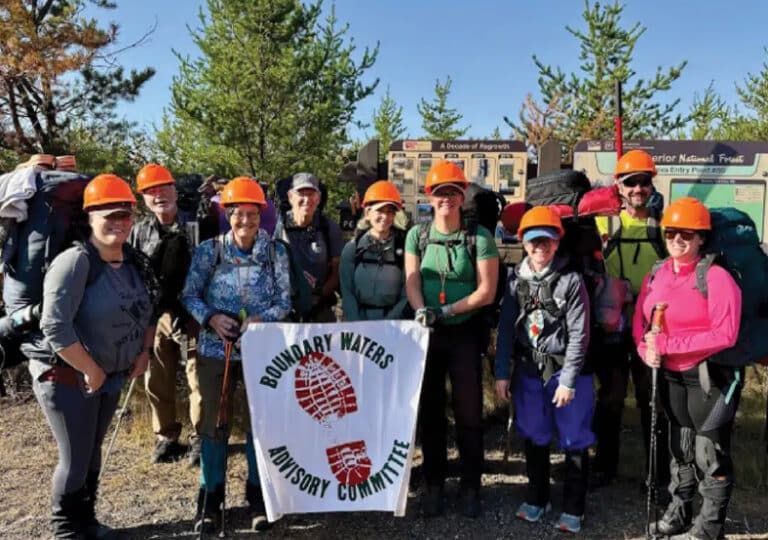
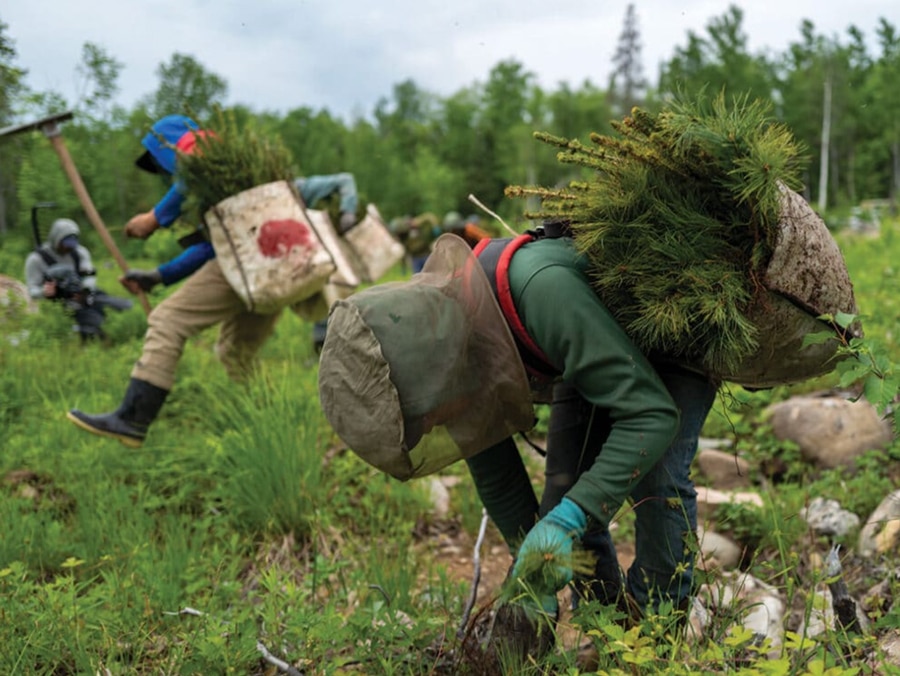
From the successful restoration of the fire-ravaged Powwow Trail to an ambitious new project rebuilding boardwalks on the popular Eagle Mountain Trail, BWAC volunteers are the boots on the ground keeping wilderness paths open. Crews paddle or hike in, and use traditional hand tools to clear deadfalls and protect the trail experience for thousands of hikers.
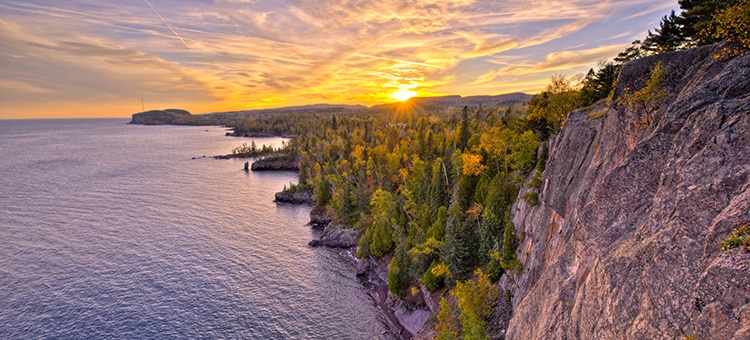
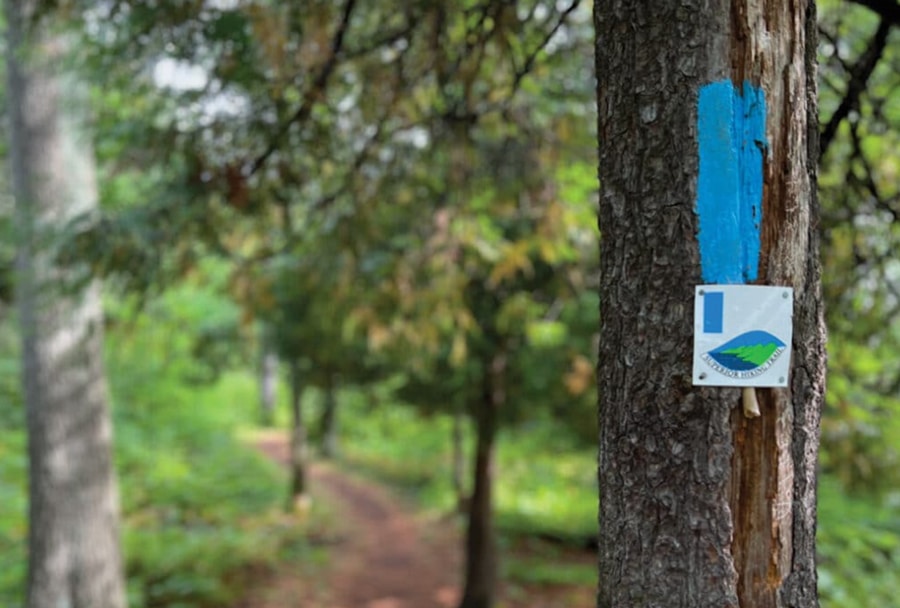
One of Minnesota’s most scenic and longest hiking trails turns 40 this year. The Superior Hiking Trail began as a grassroots effort by hiking enthusiasts who wanted to create a long-distance trail in the state. The trail, which loosely follows the rocky spine overlooking Lake Superior, is popular with hikers who explore it each season.
Sax-Zim Bog in Minnesota is a unique place where species thrive that you won’t find elsewhere in the U.S. In spring, myriad birds seek varied habitats to nest or rest briefly during migration. Visitors can come and witness this spectacular seasonal movement.
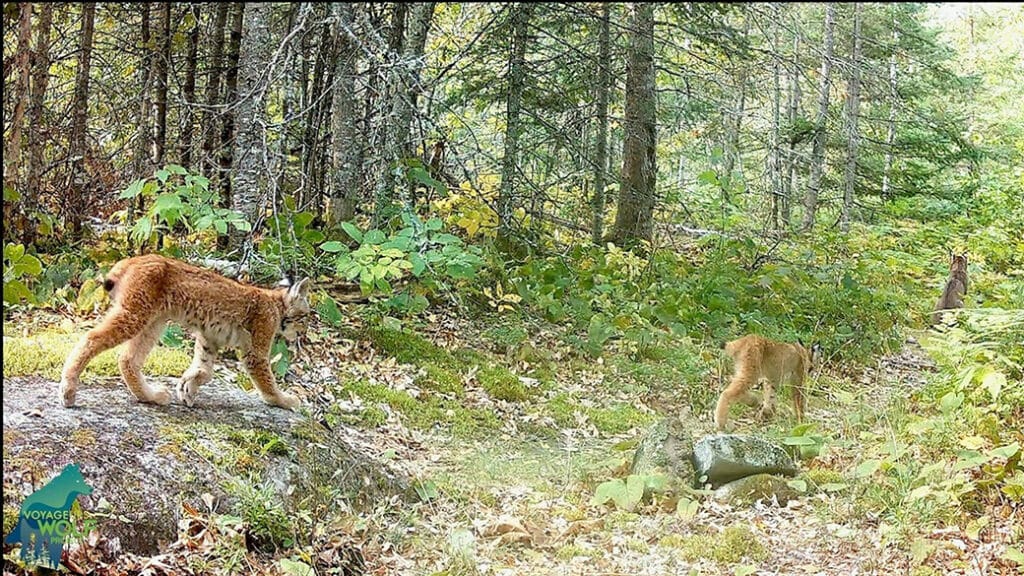
For decades, wildlife biologists assumed that because the snowshoe hare population was down in Voyageurs National Park, it was unlikely any lynx were reproducing in the area, until now. In trail cam footage, researchers spotted two lynx kittens being trailed by their mother. This sighting is encouraging as it means that the rarely seen animals are finding prey in the southernmost areas of their range.Â
Minnesota DNR recently made history by acquiring one of its largest land holdings. The purchase protects thousands of acres of forested land across multiple counties, in partnership with The Conservation Fund, Northern Waters Land Trust, and ten counties.
In an important move, The Nature Conservancy has purchased more than 12,000 acres of dense forest and wetland north of Two Harbors, marking its largest land acquisition in over 25 years. Conservation efforts will focus on sustainable management that supports the health of forests, wildlife, and clean water.
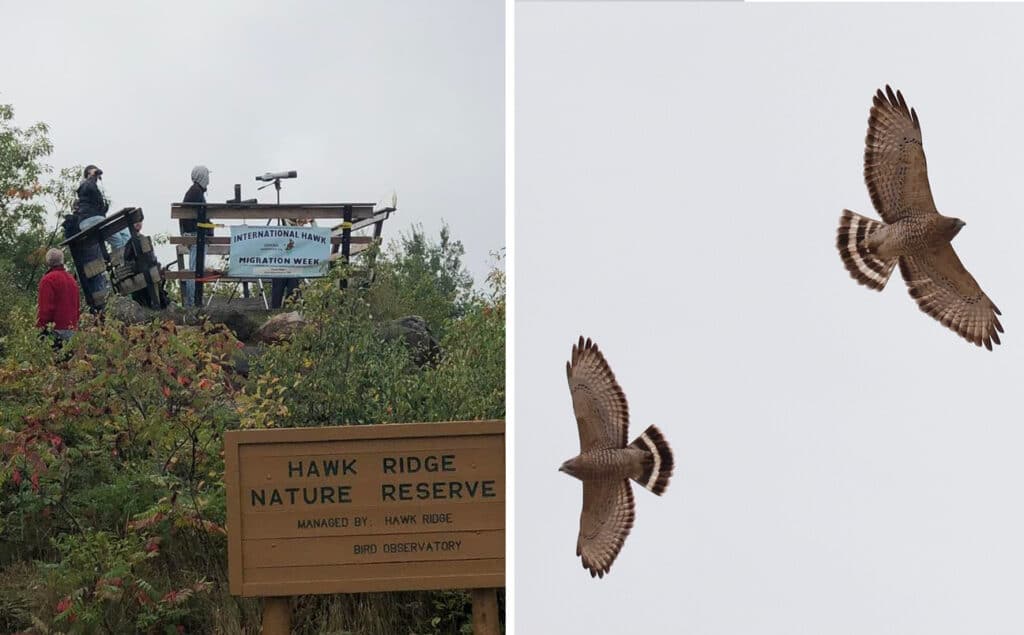
High above Duluth, thousands of raptors soar past Hawk Ridge each year during migration season. From bald eagles to kestrels, this world-class birding destination offers unforgettable views, expert-led programs, and hiking trails surrounded by fall color. Here’s how to plan your visit to Hawk Ridge Bird Observatory.
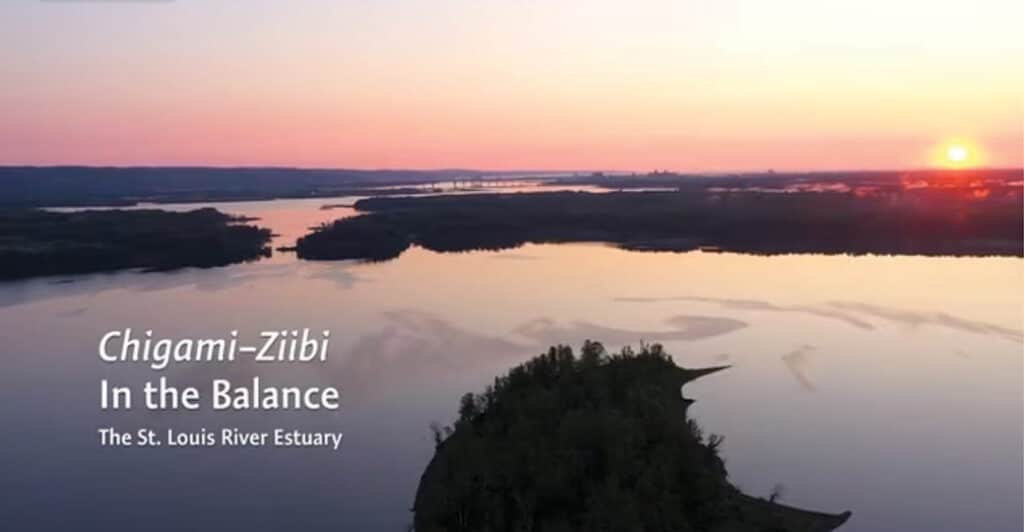
Scientists and environmentalists regard estuaries as some of the most biologically diverse yet endangered ecosystems on Earth. A new film, Estuaries in the Balance: Freshwater Nurseries of Lake Superior, highlights both the human impact and ongoing restoration of North America’s largest freshwater estuary.
Near Birch Lake Reservoir, Jeff Hanson’s mobile lab is testing a potentially proven, cost-effective method to remove sulfate from watersheds flowing into the Boundary Waters. This pollution, a byproduct of taconite mining, harms humans and contributes to toxic mercury levels in fish.
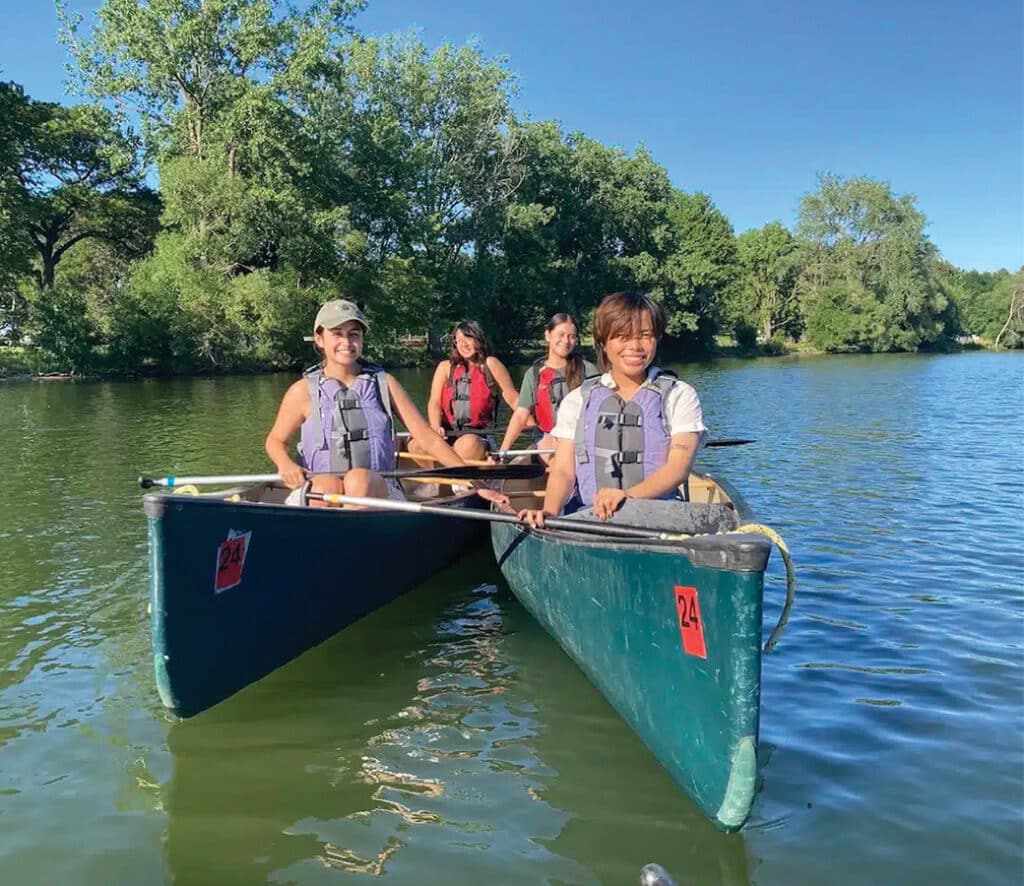
The Gichi Onigaming Conservation Crew, part of the Grand Portage Band of Lake Superior Chippewa, upgrades infrastructure and preserves natural resources at Isle Royale National Park. They enhance the park experience for visitors through their trail projects.