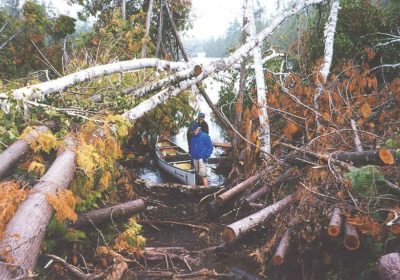
Fourth of July marks 25th anniversary of Boundary Waters Blowdown
The historic storm that wiped out huge swaths of forest and injured visitors left a long-lasting mark on the wilderness.

The historic storm that wiped out huge swaths of forest and injured visitors left a long-lasting mark on the wilderness.
Last week, Representative Pete Stauber attached five amendments to the National Defense Authorization Act. These aim to overturn the 20-year mining ban near the Boundary Waters Canoe Area Wilderness (BWCAW). While four of those amendments were defeated, one remains under review.
A bill that could reverse the 20-year ban on mining leases near the Boundary Waters Canoe Area (BWCA) passed the U.S. House. It will soon move on to the Senate. Environmental advocates express concern over the reversal of mining leases that could impact watersheds in the region.
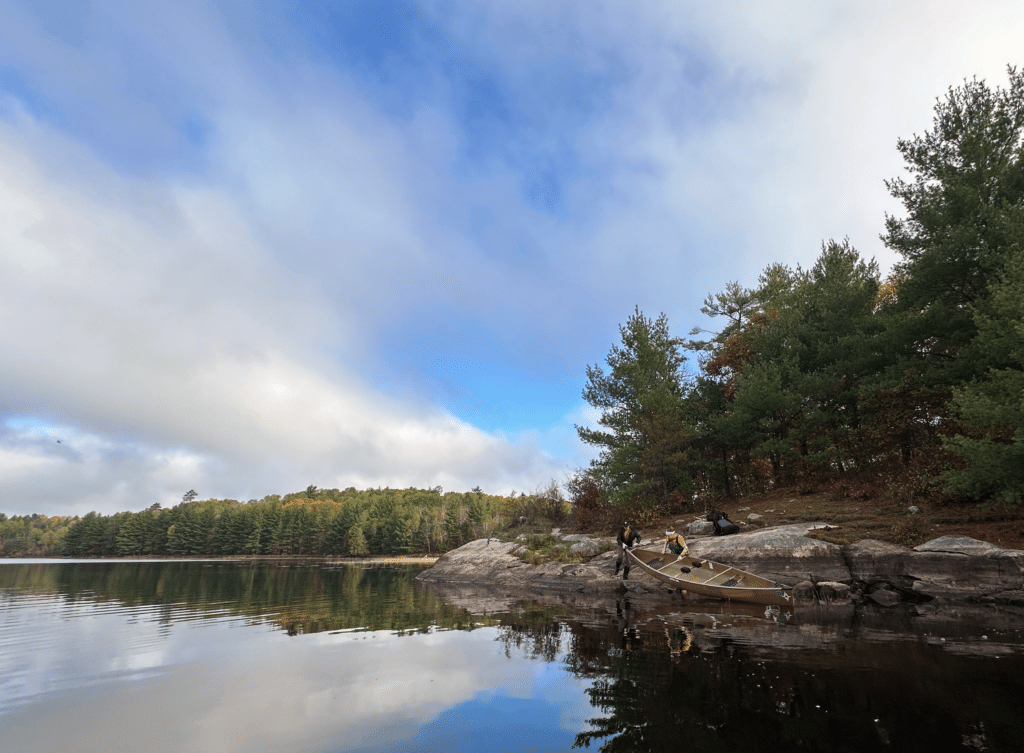
The administration recently announced a goal to protect 30 percent of lands and waters throughout the United States by 2030. This includes protection from mining impacts near wilderness areas such as the Boundary Waters Canoe Area (BWCA).
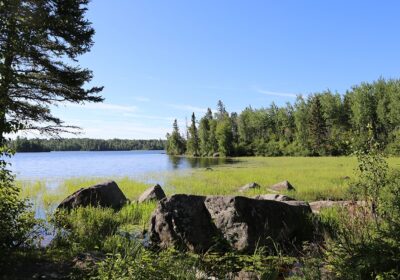
New legislation has been announced at the Minnesota state capitol, seeking to strengthen protections of the Boundary Waters from mining pollution. Chief authors Sen. Kelly Morrison and Rep. Sandra Feist seek to put legal restrictions on four specific mining practices they say represent unacceptable risk upstream of the Boundary Waters Canoe Area Wilderness.
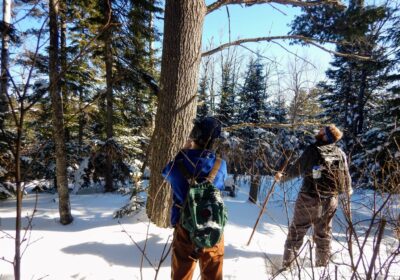
New management plans for all National Forests in the US seek to ensure mature and old-growth forests are maintained and even expanded.
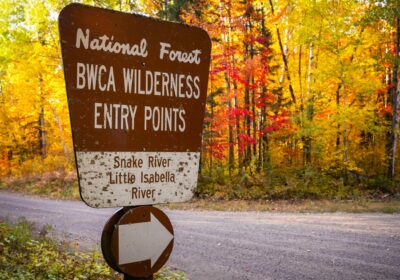
Concerned about problems with permit “hoarding” and other issues, business owners develop alternative ideas for BWCAW permit quota system.
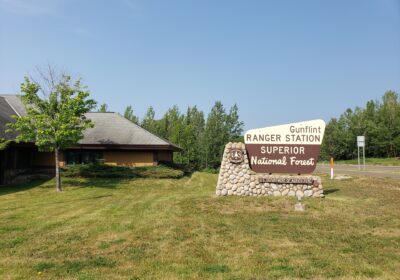
Events will offer interested groups and individuals informal conversation with Forest Service leaders.
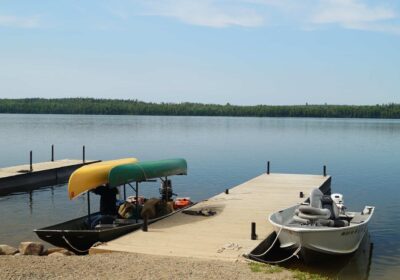
Agency kicks off review of commercial motor use with comment period on issues to consider.
Federal court rejects attempt to overturn cancellation of 57-year-old licenses to extract public resources.
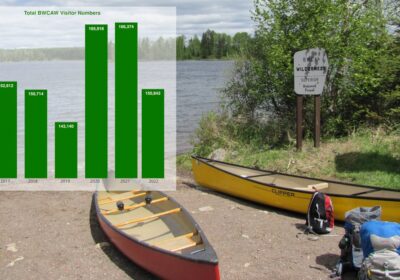
After two years of high demand in the wilderness, Superior National Forest data shows that the number of visitors to the BWCA last year returned to similar levels as before the COVID-19 pandemic.
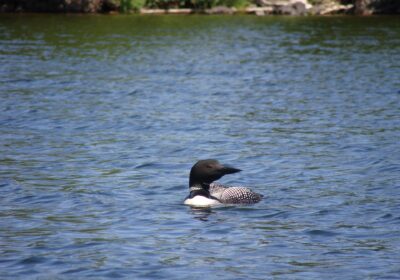
Which lakes in the BWCAW are the most crystal clear? Satellite data analyzed by the University of Minnesota yields insights. #10 – Lac la Croix…
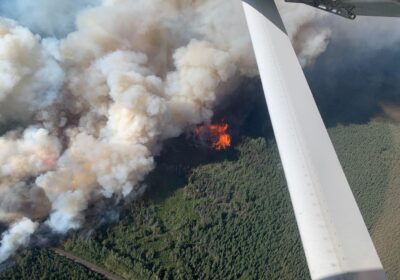
Should fire be managed in the Boundary Waters? What have we learned from past mistakes? Experts discuss wildfire past and future in the BWCAW.
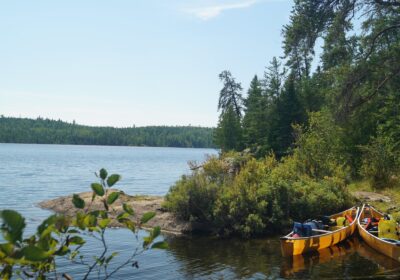
A wide range of stakeholders weigh in on how the BWCAW is managed. Interviews with dozens of wilderness users and other stakeholders resulted in new recommendations.
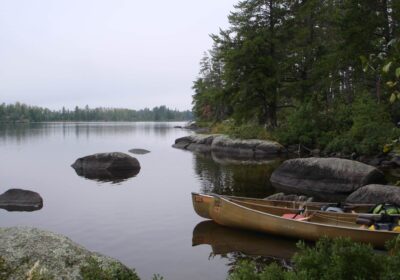
Minnesota DNR announces its undertaking rulemaking to protect the Boundary Waters wilderness from noise and light pollution related to mining.
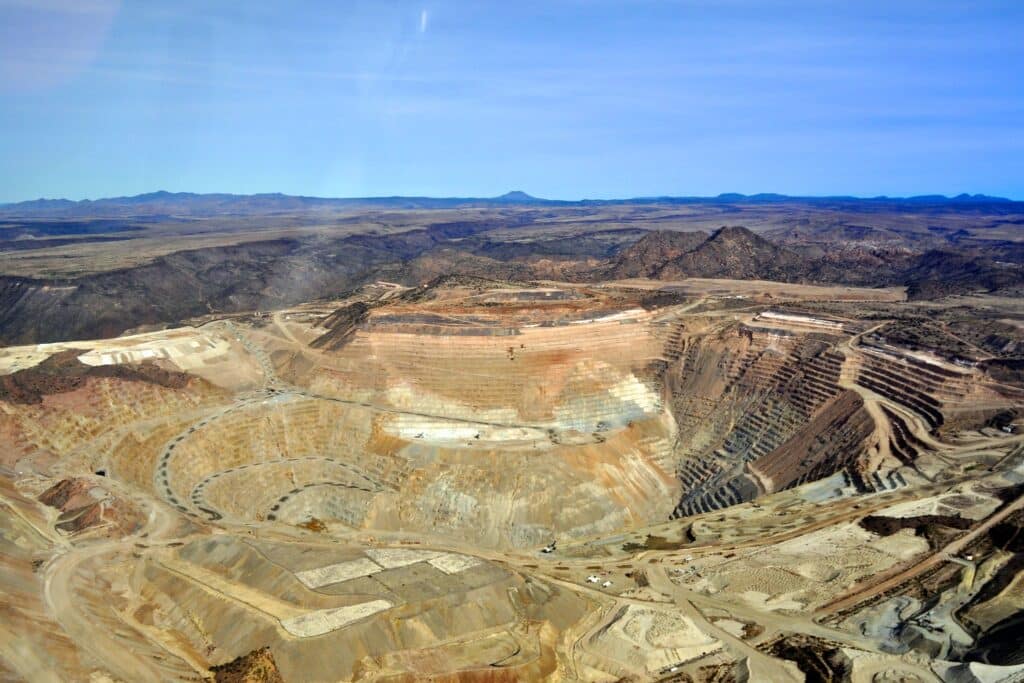
Professor of geology studied several mines that supposedly have not polluted, and found they don’t meet proposed Minnesota standards.
Group requests injunction to prohibit activity they say illegally degrades wilderness as lawsuit over issue proceeds.
‘Northern Nights, Starry Skies’ features inspiring images, cultural knowledge, and light pollution threats.
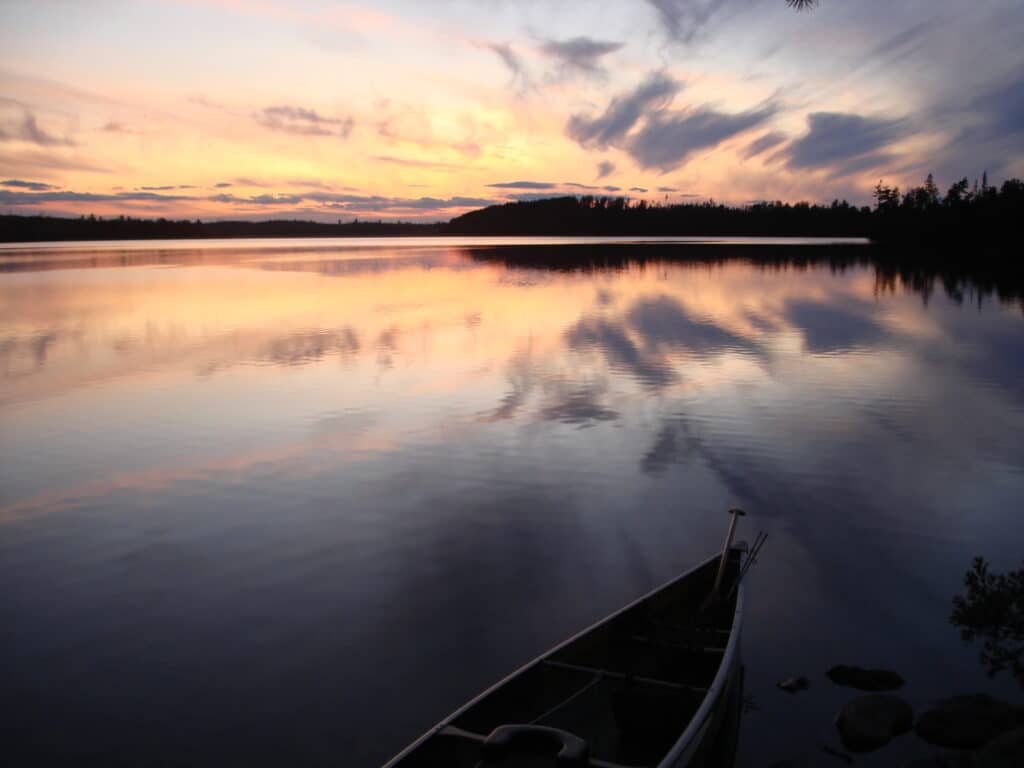
The BWCAW’s lack of human noise is recognized as increasingly important. This award honors the quietest places in the world.
After last month’s announcement that protects the BWCAW for 20 years, more threats and protection work remains.