Young creators know their fish, inspire others to go fishing, combat invasive species
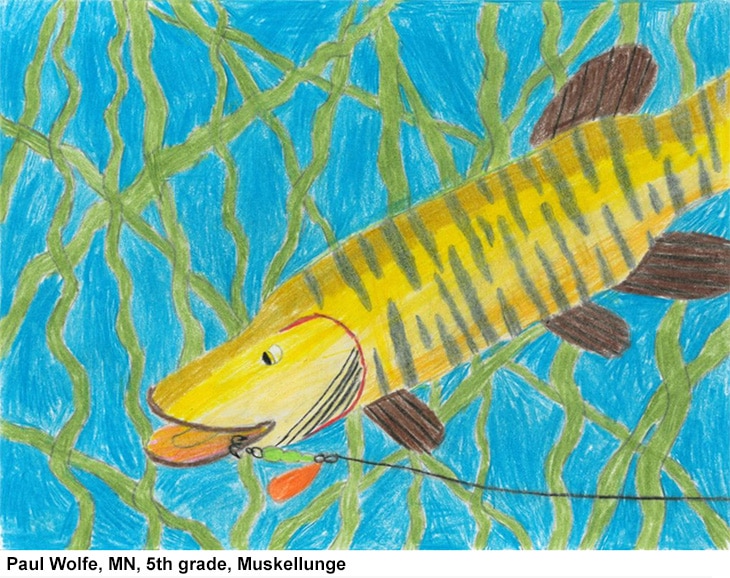
A fish art contest invites K-12 students to learn about fish, fishing, and the threats of Aquatic Invasive Species in their region and around the world.
‘Superior’ photography, history of the trail and its devotees, the story of the 310 mile route is told by personal notes left along the way…
Follow a family canoe trip in the Boundary Waters Canoe Area Wilderness, from entry point to last day on the water, that is beyond words…
On August 5, 2020 we lost a wilderness legend. An ambassador to the backcountry, a passionate voice for Quetico Provincial Park, a trailblazer, a source of knowledge, a true hero. “What …
“Bud is one of our greatest and least recognized heroes. A giant figure in the battle for the Boundary Waters Canoe Area Wilderness…”
What Wilderness Means to Me Series Submission: “Rocky shores, lakes, rivers, and waterfalls, full moon paddles and islands alone, Boundary Waters you are my throne. Great wilderness of untold stories, nature is proof of your glory…”
Stay-at-home orders and social distancing recommendations mean that most of us can’t head ‘up north’ right now, and uncertainty hovers over the next few months. How do we stay connected ‘virtually’ to the places we love?
“When despair for the world grows in me and I wake in the night at the least sound in fear of what my life and my children’s lives may be, I go and lie down where the wood drake rests in his beauty on the water, and the great heron feeds…”
The dogs were eager, ready and pulling on their leads, when the 2020 Gunflint Mail Run sled dog race officially began early on Saturday, January 11, spectators and mushers expected great weather and optimal trail conditions.
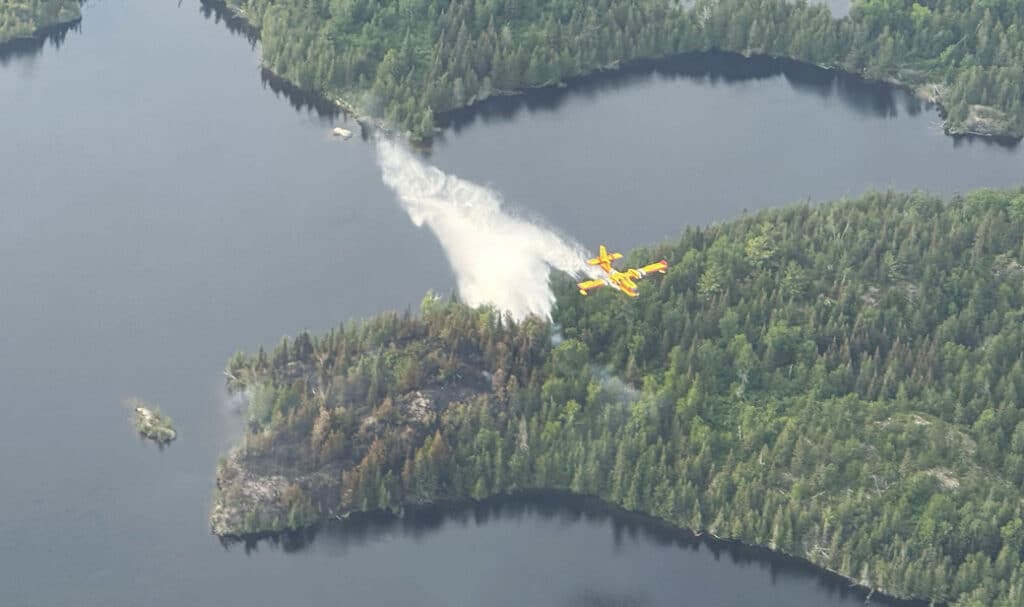
As far back as the 1930’s, airplanes have flown into the remote reaches of Quetico, patrolling for poachers, delivering supplies to rangers, fighting forest fires… Jill Legault from Quetico Provincial Park shares this look back to the ‘bush planes’ and intrepid pilots that flew into the border lakes backcountry.
YMCA Camp Northern Lights gives families time to bond, deepen their appreciation for wild places, and, if they want, gain skills for a wilderness adventure near the Boundary Waters.
The St. Louis River estuary is a unique, 12,000 acre wetland where water from the St. Louis River mixes with the water from Lake Superior. The Minnesota Land Trust is working with groups and state agencies to restore features of the river habitat that have become compromised by pollution, debris, and development.
A race with a Boundary Waters twist – some runners carry canoes, about 8,390 rods, through the heart of Superior National Forest.
Wilderness rangers recently traveled through Quetico and Boundary Waters to take measurements of the night skies are, as regional efforts get underway to recognize and preserve its darkness.
“While I create each drawing, I get to re-visit past trips and adventures, and I notice things from the drawing itself that I didn’t from the photograph, details that were always there, but the drawing has brought out new details…”
Researchers scramble up river banks, edge along muddy shores, and step carefully through woods with eyes on the forest floor in Northeastern Minnesota tracking terrestrial Wood Turtles.
Minnesota’s iconic pine-studded northern forests are at risk and the habitat for conifer-dependent birds and animals is in decline. Crews and volunteers are responding by planting thousands of trees…
This week we remember and honor Don Fraser – Former U.S. Representative and Minneapolis Mayor, ‘quiet crusader’ for the Boundary Waters Canoe Area Wilderness.
“Some of my most unforgettable moments are sitting on the shores of a boreal forest lake on a calm night with no wind, watching the northern lights dance overhead while the haunting calls of loons echo across the water.”
The north shore of Minnesota is home to several rare plant species that are usually found much further north or in high altitudes and are separated from their normal ranges. These wildflowers, mosses and lichens are living ‘relicts’ of the past…