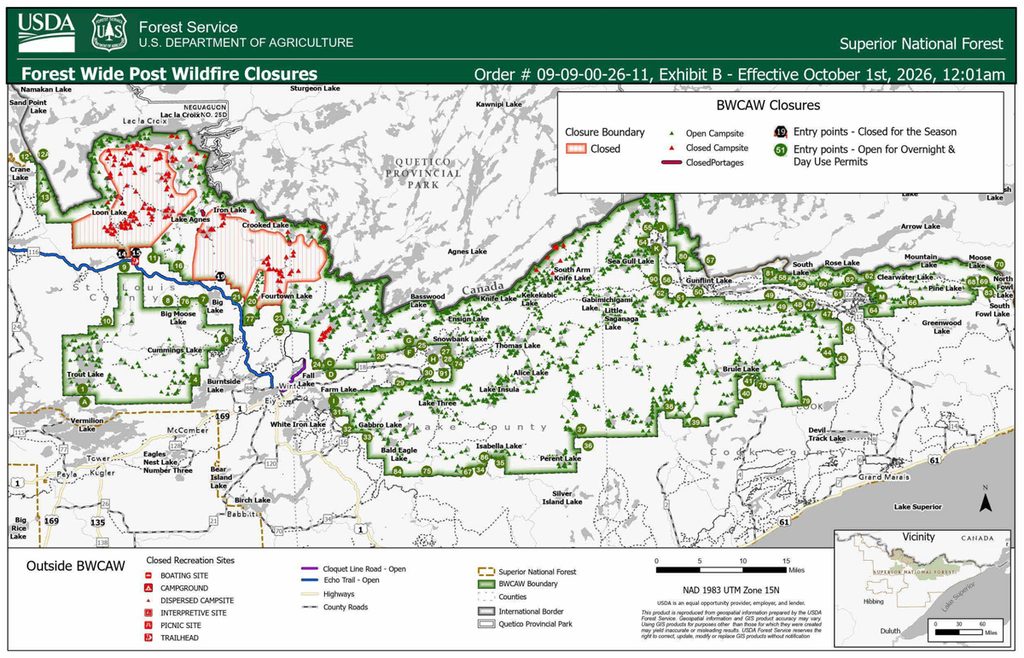
Boundary Waters Canoe Area Wilderness entry points post-wildfire closure updates
The Forest Service says it has now opened over 73% of the one-million-acre BWCAW. Phase 10 brings the total to more than 1,600 of campsites reopened.


 Editor
The Forest Service says it has now opened over 73% of the one-million-acre BWCAW. Phase 10 brings the total to more than 1,600 of campsites reopened.
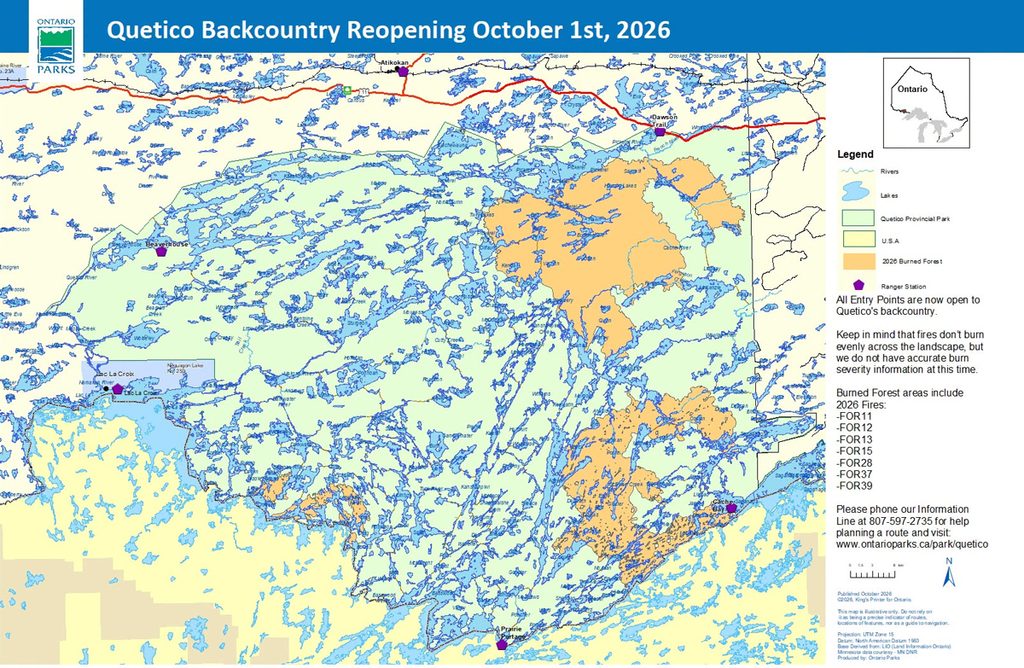
Quetico Provincial Park says fire suppression units have been removed and the popular Dawson Trail Campground reopens to front-country campers.
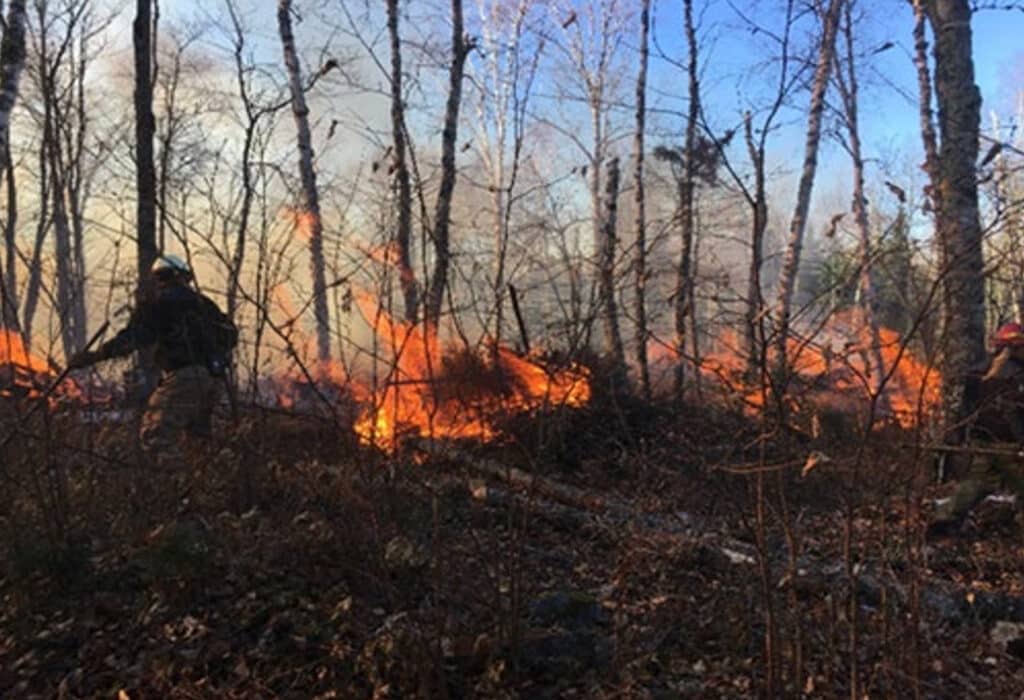
The Superior National Forest has announced about 2,500 acres of fall prescribed burns, from the Gunflint and Tofte ranger districts to the Kawishiwi, LaCroix and Laurentian districts. The Forest Service says work will run through December as weather allows.
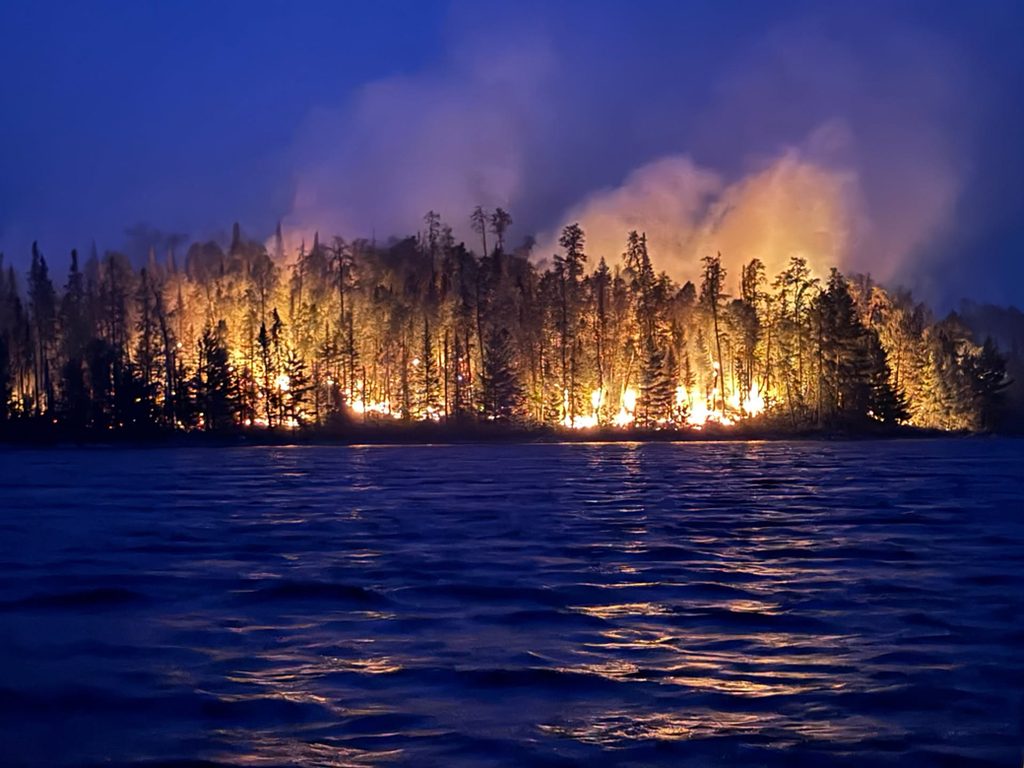
A lightning storm on July 6 sparked more than 25 wildfires across the Superior National Forest, prompting a full BWCAW closure and evacuations in three counties. All fires are now reported as 100% contained.
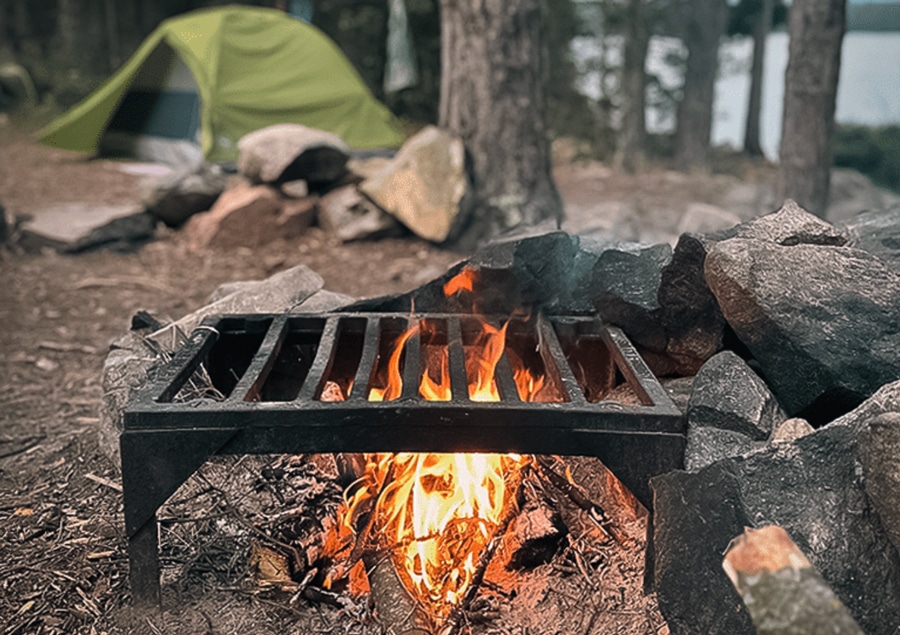
Burning restrictions have been removed across the entire three-million-acre Superior National Forest, including the BWCAW, effective August 24, the forest announced this week…
On the same day Gov. Walz signed an executive order intended to block copper-nickel mining near the Boundary Waters, the U.S. Department of Agriculture announced it would move to rescind the federal rule that has kept new roads and timber harvest out of the Superior National Forest’s remaining roadless country since 2001.
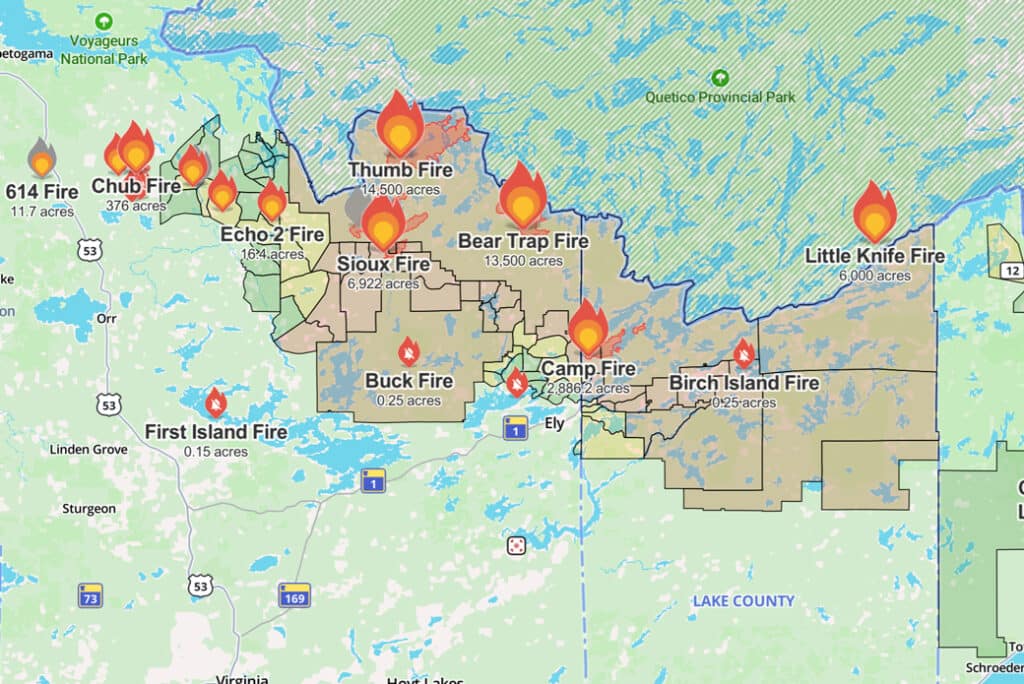
The Forest Service lifted closure of Trails End Campground on July 29. Recent rain has moderated fire activity, officials said, the Little Knife Fire area is reopening….
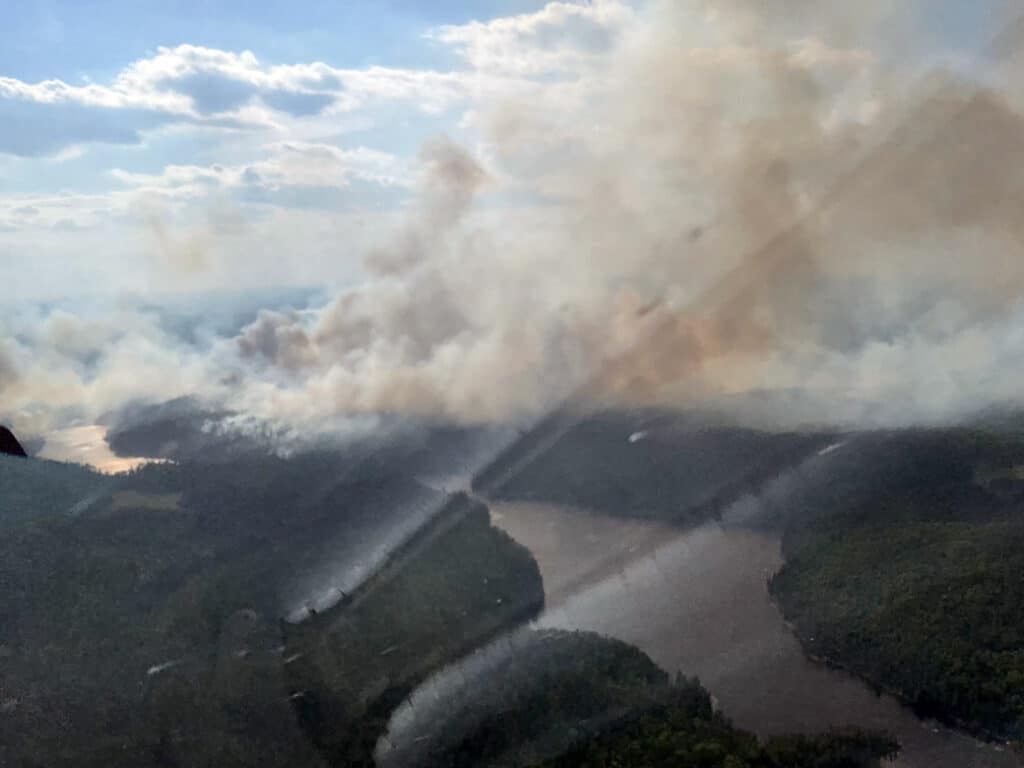
BWCAW permits are cancelled through July 24, and the closure order now formally runs through October 1, or until rescinded. The Forest Service said this week that it is assessing opportunities to reduce the closure in areas where conditions allow.
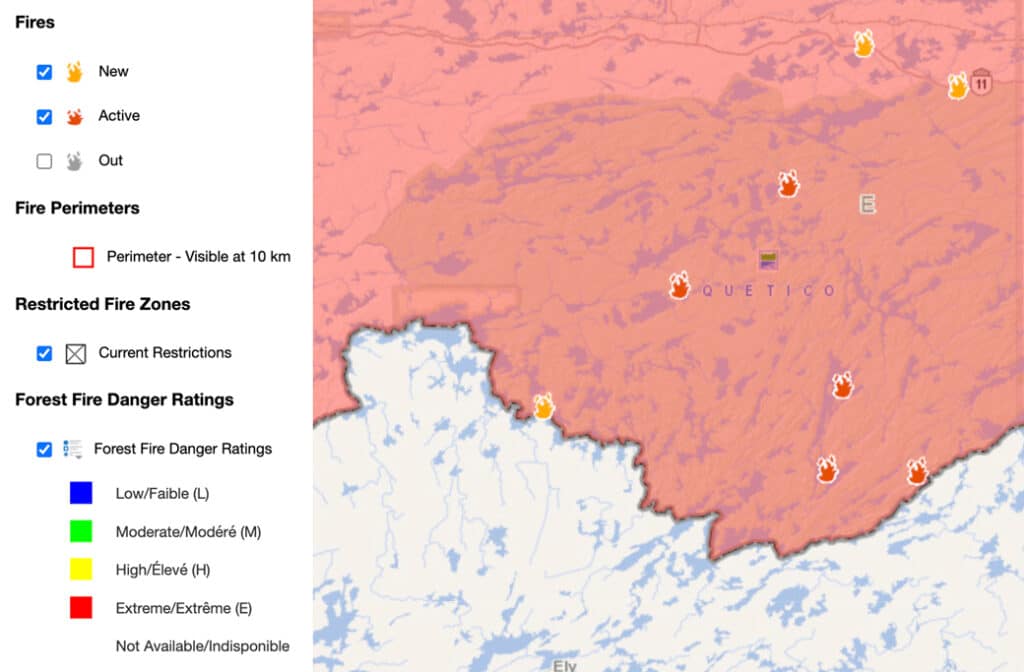
Quetico Provincial Park has closed Dawson Trail Campground due to nearby forest fire activity, according to the park’s alerts page. All backcountry entry stations are also closed.
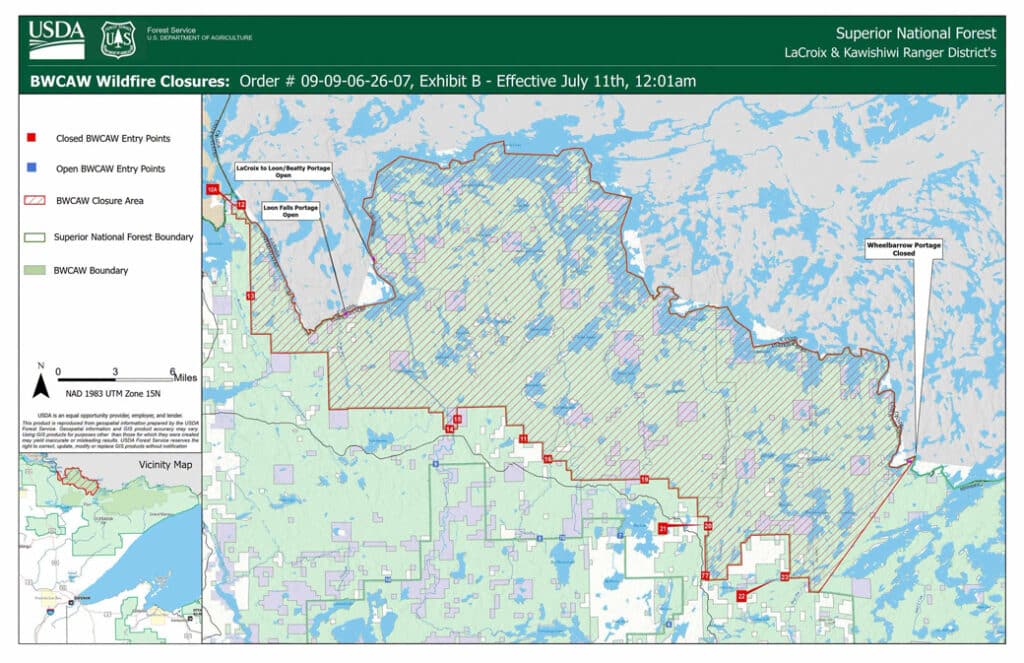
The USDA Forest Service is closing public access to portions of the BWCAW to protect public health and safety. One order closes three wildfire areas surrounding the Bear Trap, Thumb, and Wolfpack fires in the LaCroix Ranger District, affecting 13 entry points; a second closes 15 lakes in the northwestern Gunflint Ranger District, effective July 12, due to a wildfire in Quetico Provincial Park.
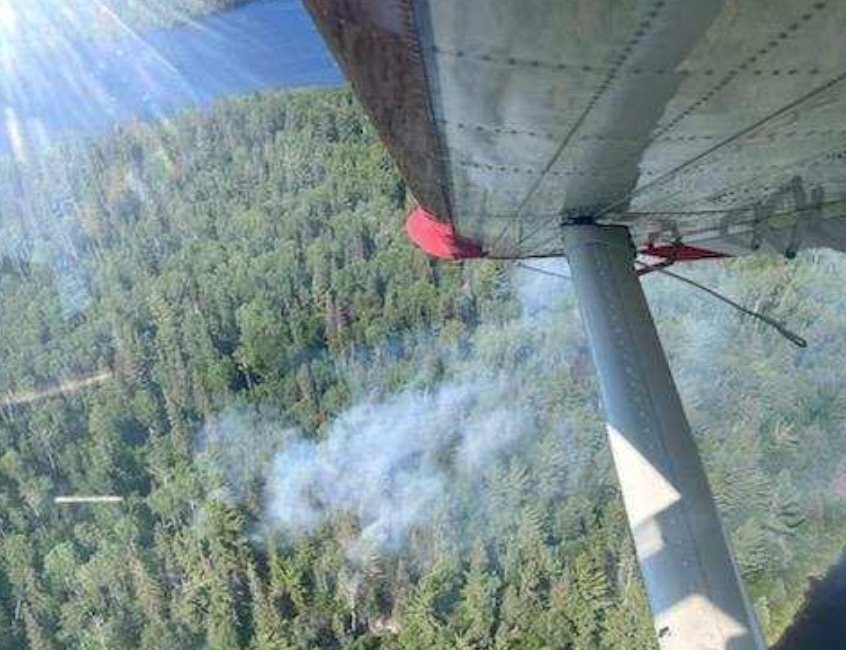
A small wildfire detected in the Boundary Waters Canoe Area Wilderness last week is now fully contained, the Superior National Forest said in its final update on the fire July 5.
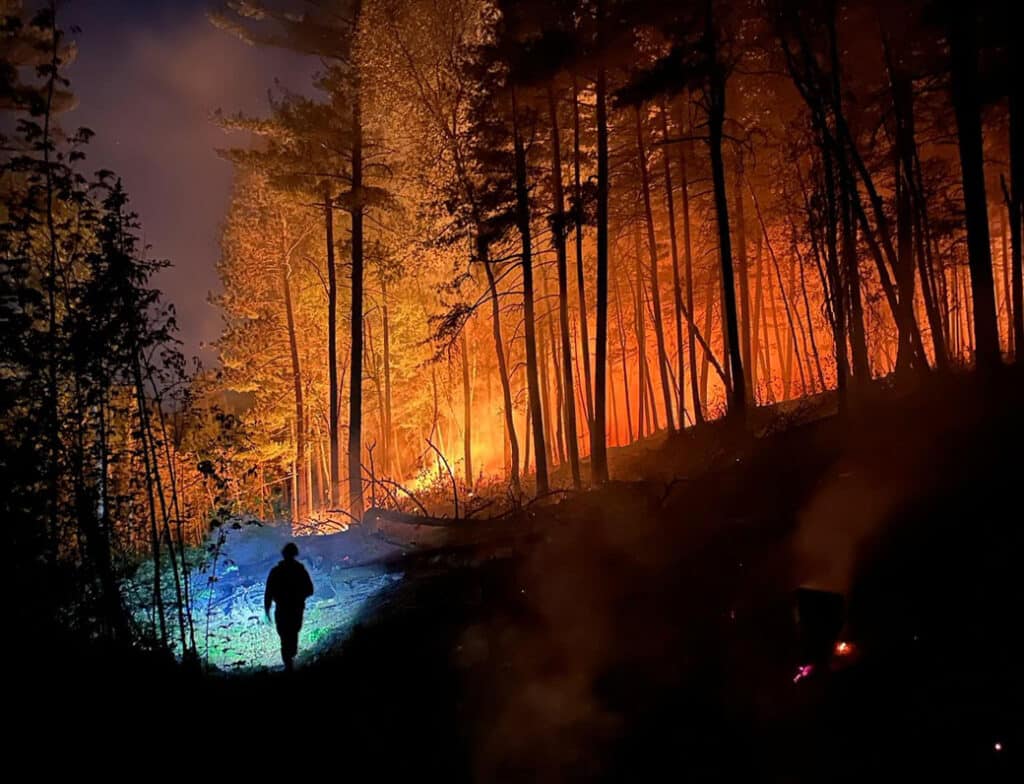
A wildfire broke out on the afternoon of June 1 near Burntside Lake. Driven by hot, dry conditions and light southeast winds, it spread quickly to an estimated 30 acres by evening.

A love letter to Gitchi-Gami, and a lyrical new addition to northwoods children’s books. Created by two artists with deep roots in the Lake Superior region, the book celebrates the landscape, wildlife, and heritage surrounding the big lake.
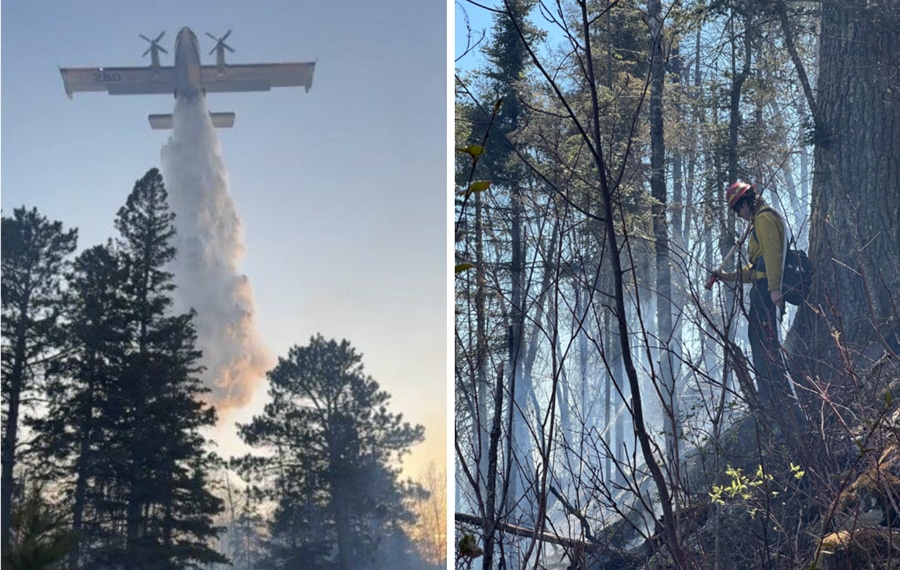
A rapidly spreading wildfire northeast of Two Harbors has forced mandatory evacuations, damaged structures, and closed a major stretch of Highway 61. Driven by dry conditions and high winds that sparked fires across the region, crews are working to contain the Stewart Trail Fire. Here is what wilderness travelers and North Shore visitors need to know.
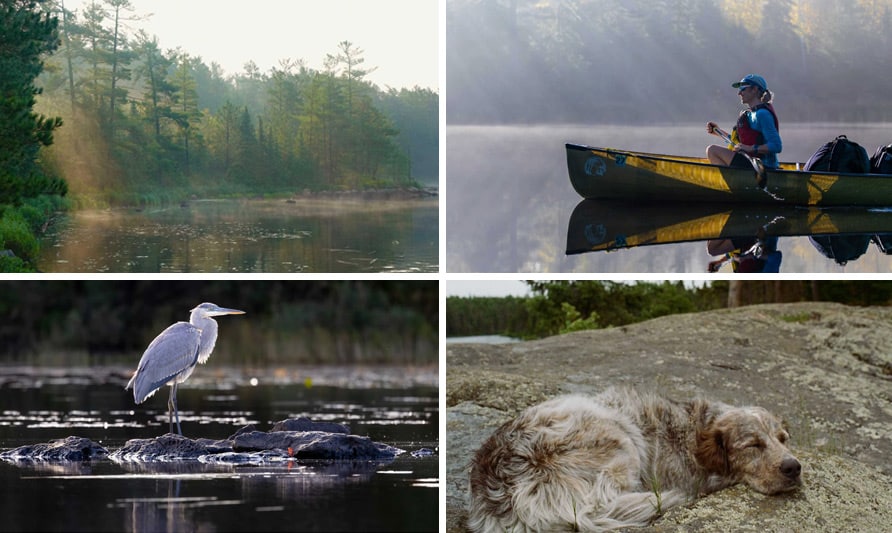
We eagerly await each year’s announcement from the Friends of the Boundary Waters Wilderness—images that capture the people, seasons, and quiet moments defining canoe country, and remind us why this landscape deserves protection.
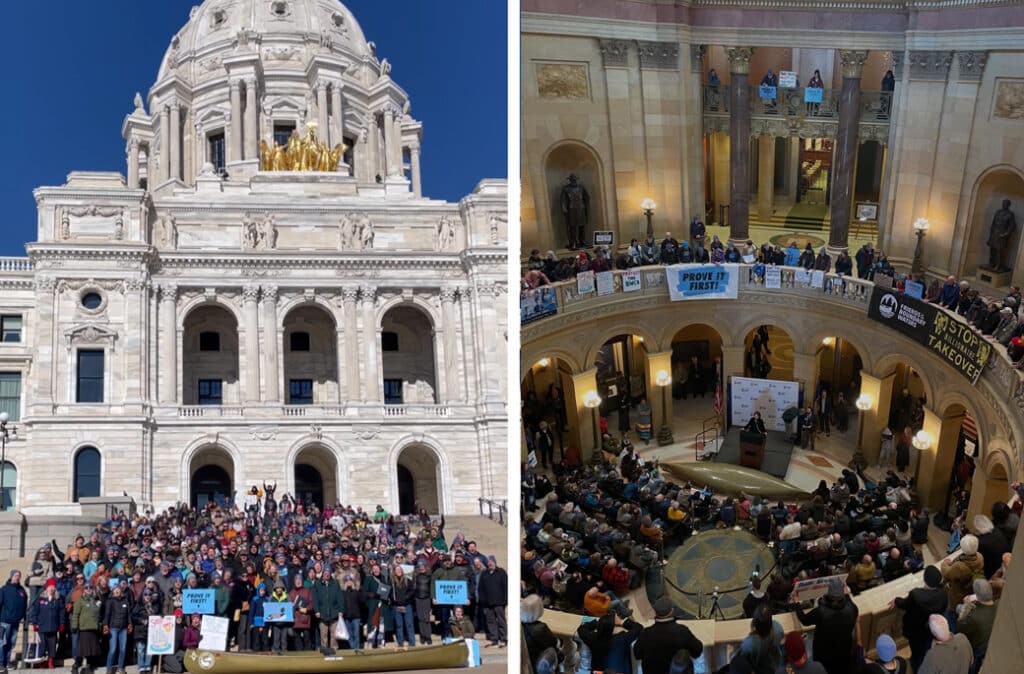
The fight to protect the Boundary Waters has reached a critical turning point. Following a Day of Action at the Minnesota State Capitol, all eyes are now on the U.S. Senate…
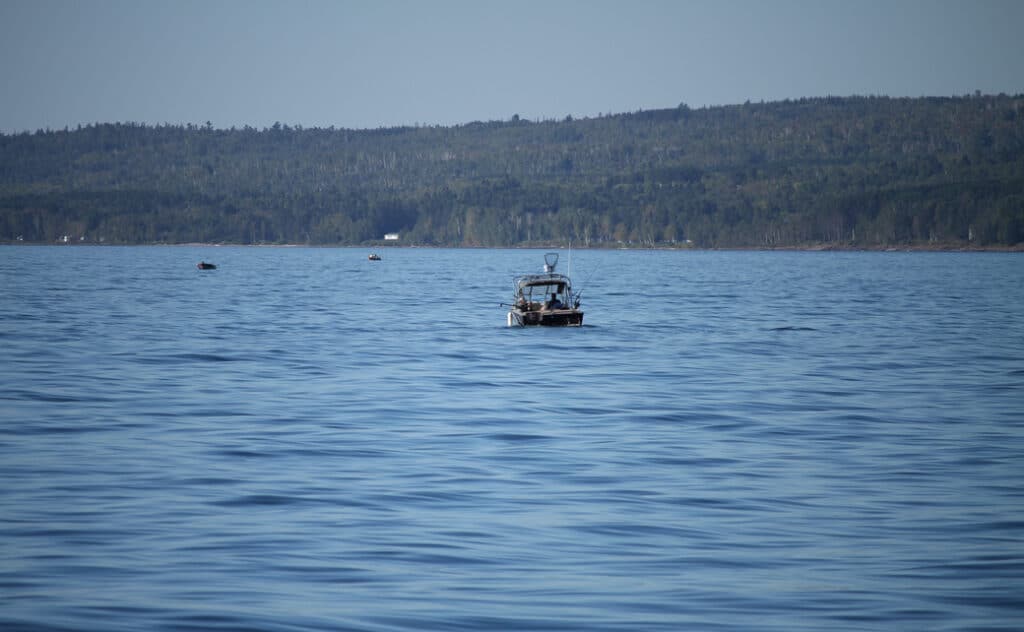
A recent analysis of lake trout and walleye from the EPA’s Duluth laboratory reveals a rare environmental bright spot: PFAS levels in Great Lakes fish have declined significantly since the late 2000s. While Lake Superior can take almost two centuries to ‘flush,’ this study suggests the biological food web is responding much faster to industrial phase-outs than previously thought.
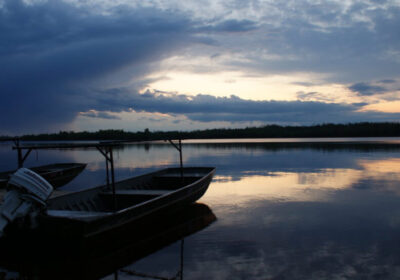
A federal judge has ruled in favor of the U.S. Forest Service in a lawsuit over motorized towboat use in the Boundary Waters, bringing a resolution to the legal challenge filed …
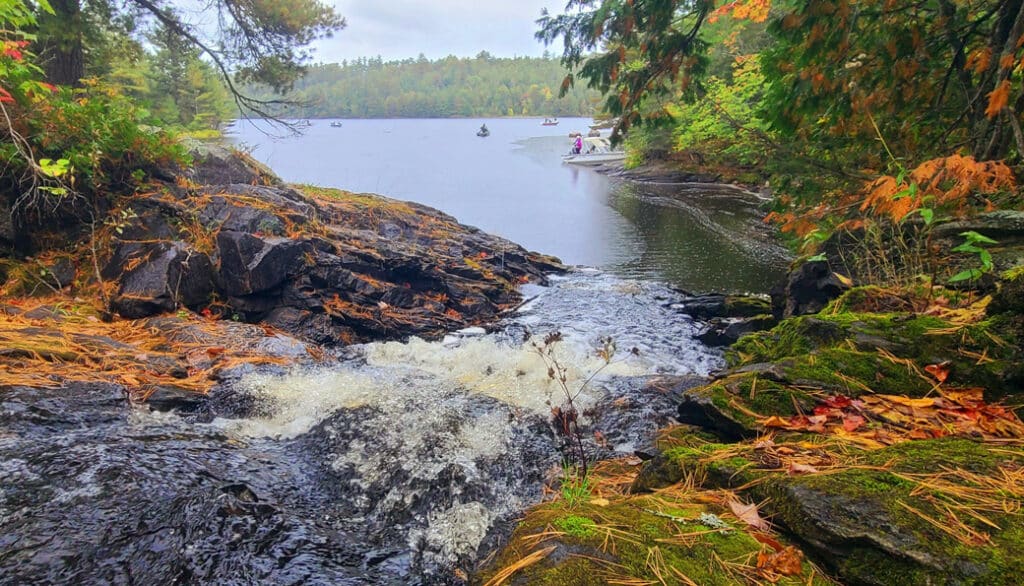
Does the government shutdown have you worried about your travel plans? If you’re heading to Minnesota’s North Shore and Boundary Waters region, you’re right to wonder how it might affect your trip.
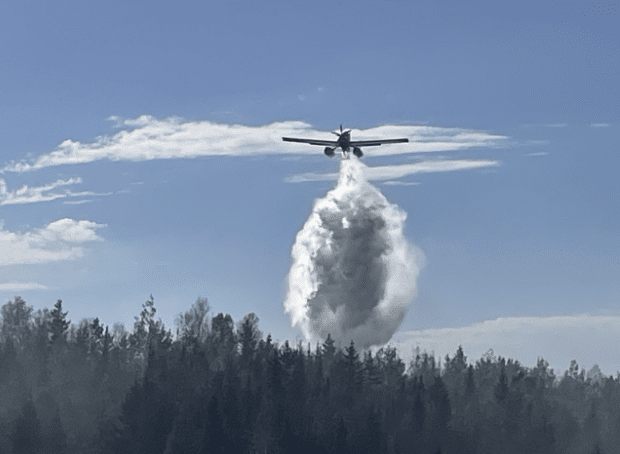
A fire detected September 10 is burning on an island of Wood Lake within the BWCAW, partially contained, according to the USDA Forest Service. The fire is suspected to be human-caused and is burning in an area that is difficult to access. Some portages, lakes and entry points are closed.