🔥 Current Fire Conditions Track active fires, smoke impacts, wildfires near the Boundary Waters and North Shore updates during the 2026 fire season. Latest Updates >
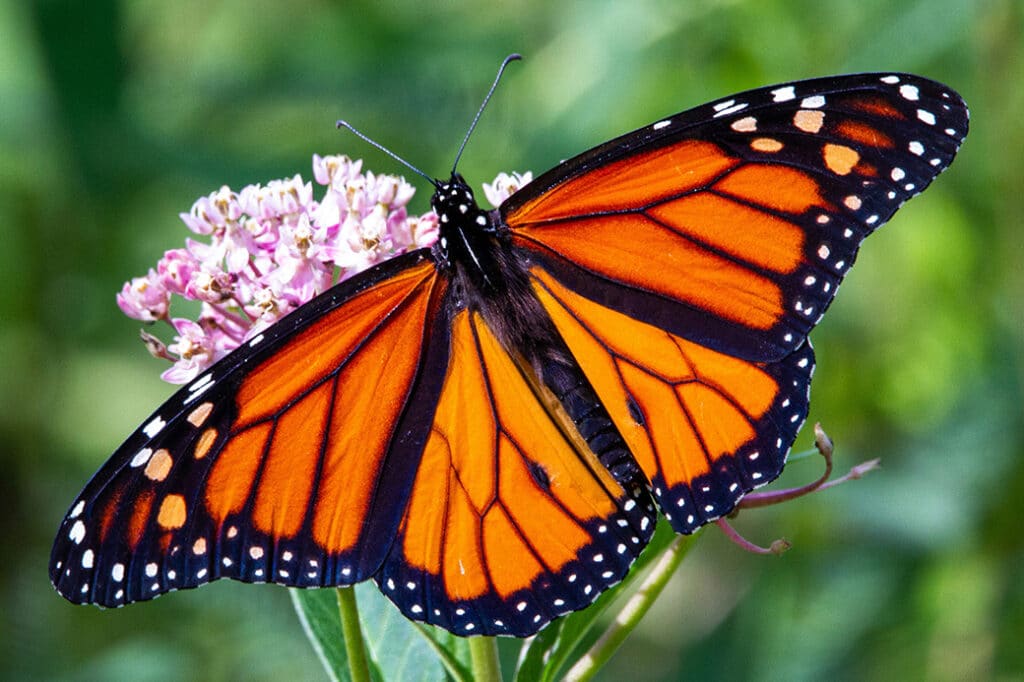
Recently, staff from the Superior National Forest spread native wildflower seed in four different places in the Forest. These flowers will help to support existing butterfly habitat and encourage other pollinators like bees.
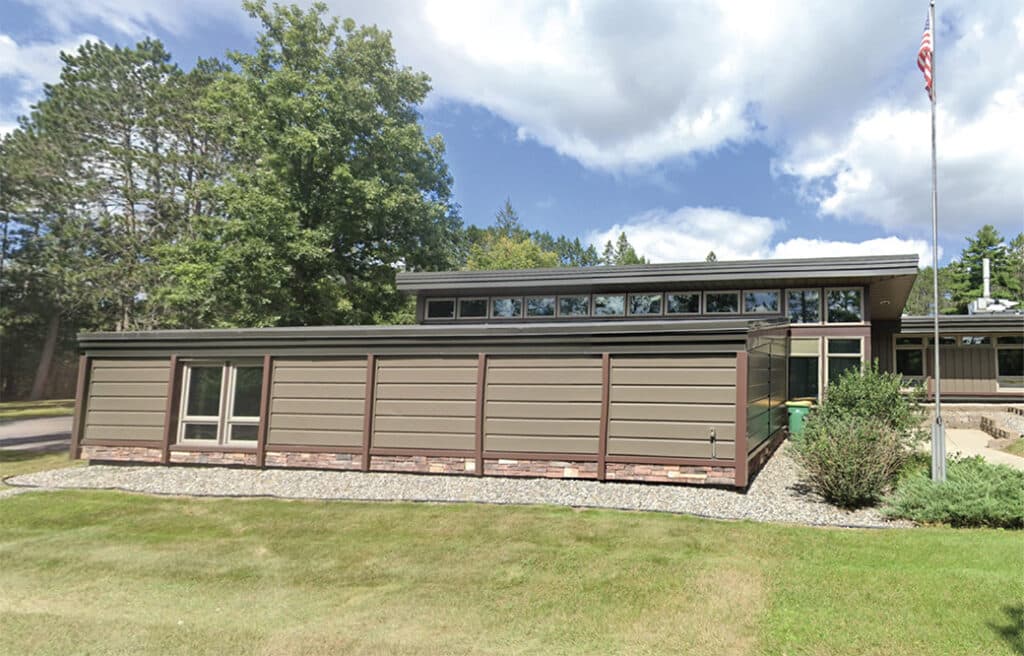
Two U.S. Forest Service research facilities in northern Minnesota will remain open after facing possible closure under the agency’s restructuring plan. Located in Grand Rapids and Ely, the stations conduct research on forest management, peatlands, carbon storage, and climate change.
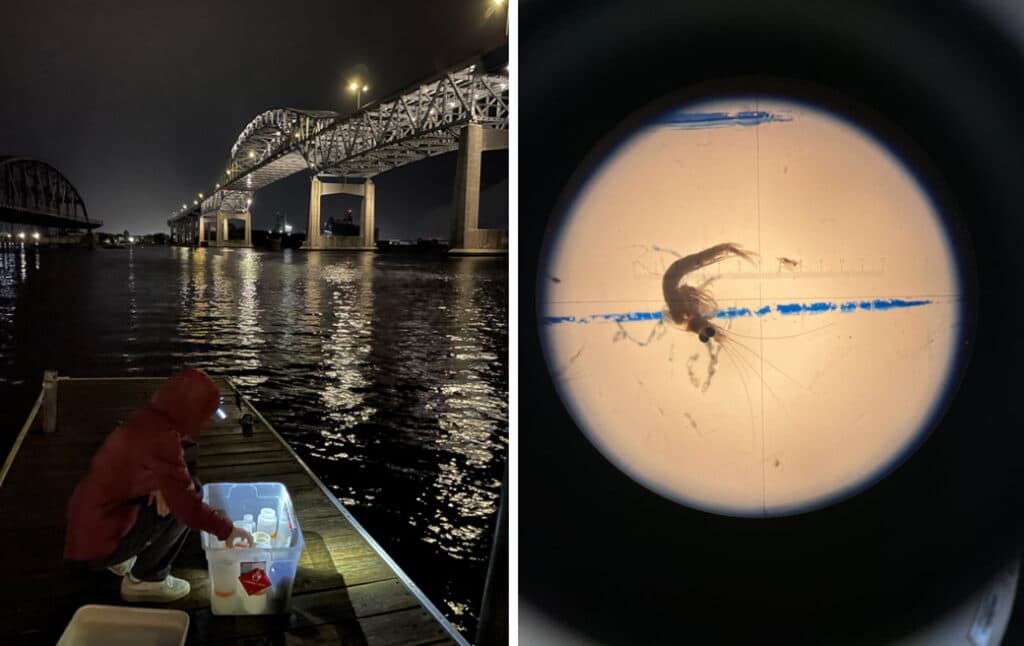
Invasive species tend to have names that make you cringe. Take spiny water flea, for example—a common invasive in Minnesota, including some Boundary Waters lakes. Now, a new invasive species—bloody red shrimp—has been found in the Lake Superior ecosystem, and its name suggests danger…
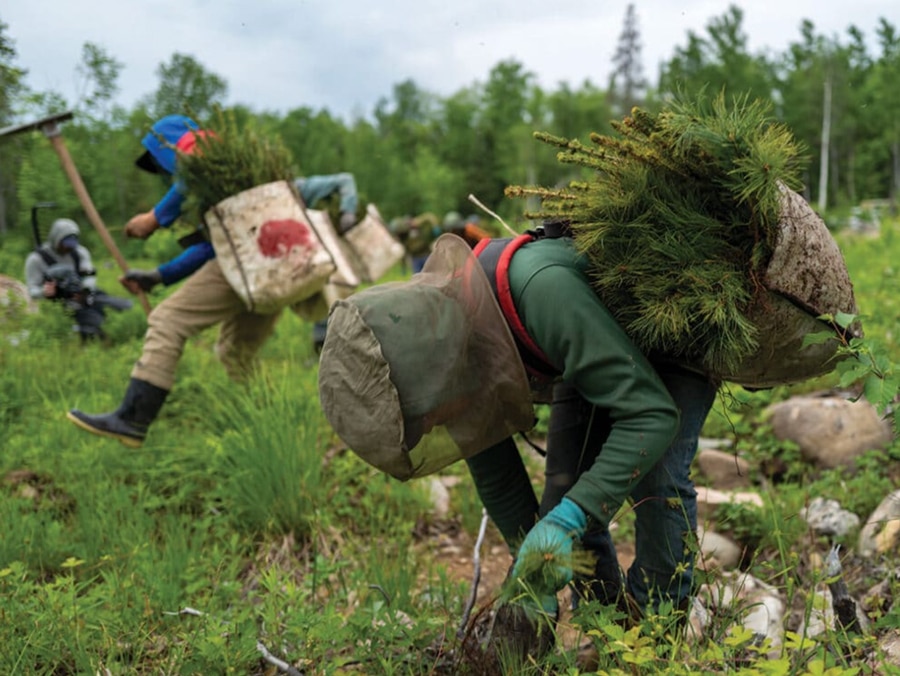
To create a more resilient, adaptable forest, The Nature Conservancy, in collaboration with state and federal partners, planted 3.2 million trees in northern Minnesota this year. It was the organization’s biggest planting season in the state. By 2030, the conservancy plans to plant 17 million trees in total.
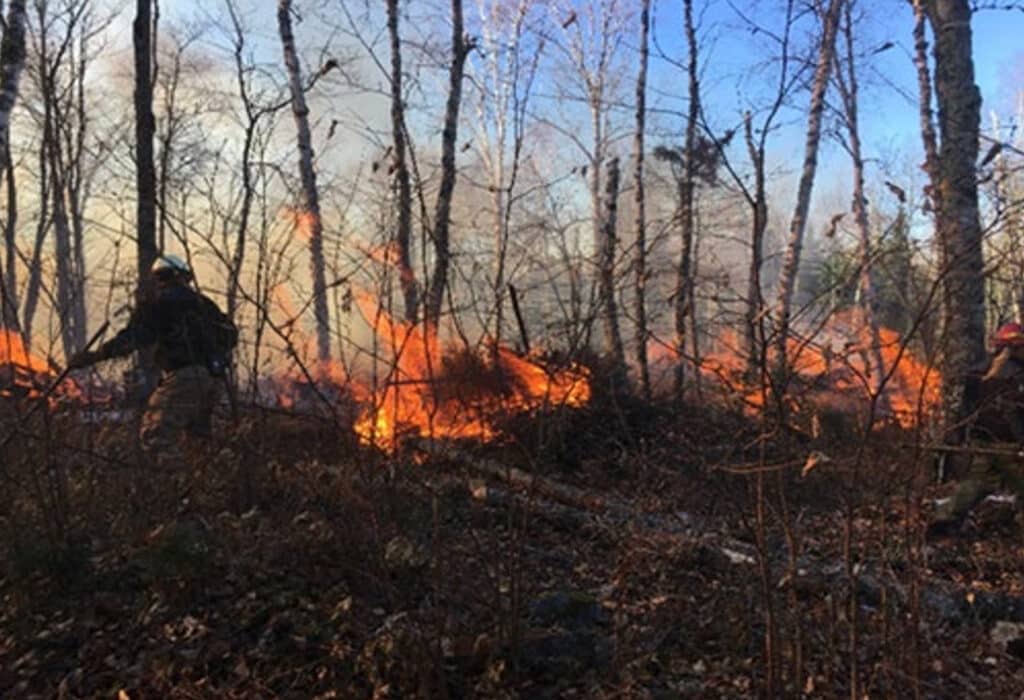
The Superior National Forest has announced about 2,500 acres of fall prescribed burns, from the Gunflint and Tofte ranger districts to the Kawishiwi, LaCroix and Laurentian districts. The Forest Service says work will run through December as weather allows.
Minnesota Senator Grant Hauschild announced that Tettegouche State Park will receive $3.25 million for infrastructure upgrades. The money will help to replace a bridge and septic system. Tettegouche, located along the beautiful North Shore, is one of Minnesota’s most visited state parks.
Crews recently planted 800 dwarf bilberry plants at multiple sites in the Superior National Forest. This small, low-growing shrub produces berries that resemble blueberries. This important woodland species supports a population of rare butterflies…
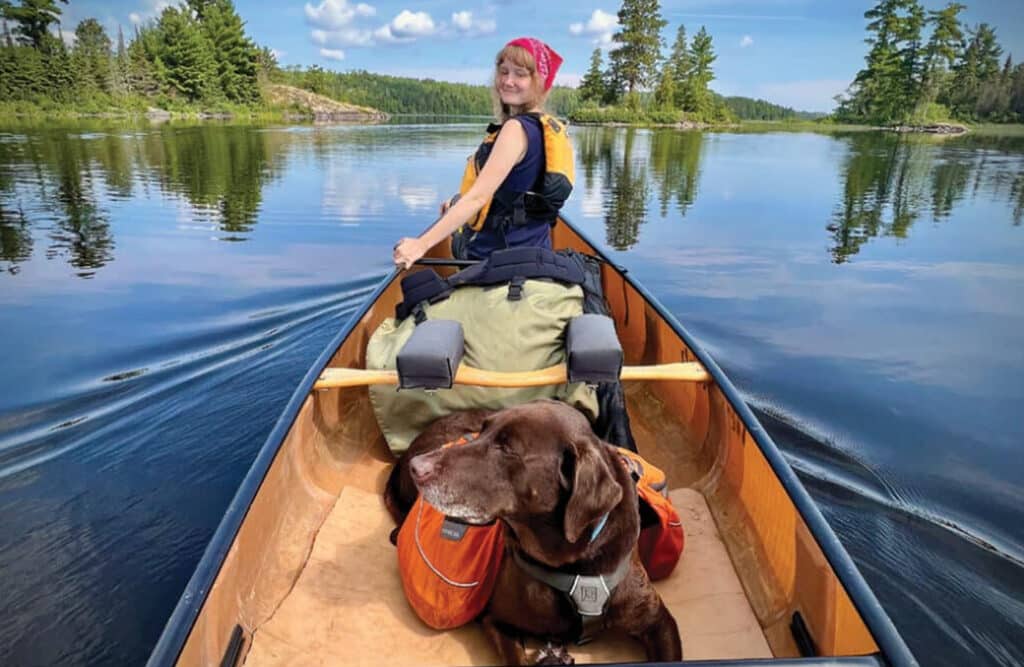
Bringing your dog to the Boundary Waters? Dogs are a fairly common sight in the BWCAW. You may see them nestled in the middle of packs, or on a portage trail carrying a dog pack…
A few weeks after Gov. Tim Walz signed an executive order halting nonferrous mineral leases near watersheds connected to the BWCAW, the Minnesota DNR issued a public notice canceling a Twin Metals mineral lease.
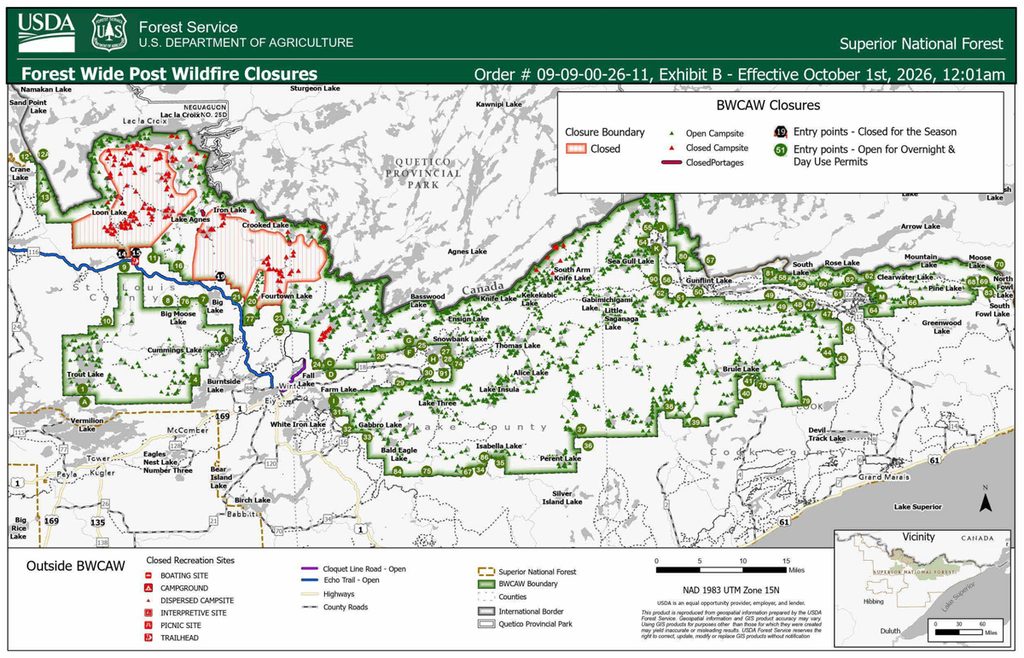
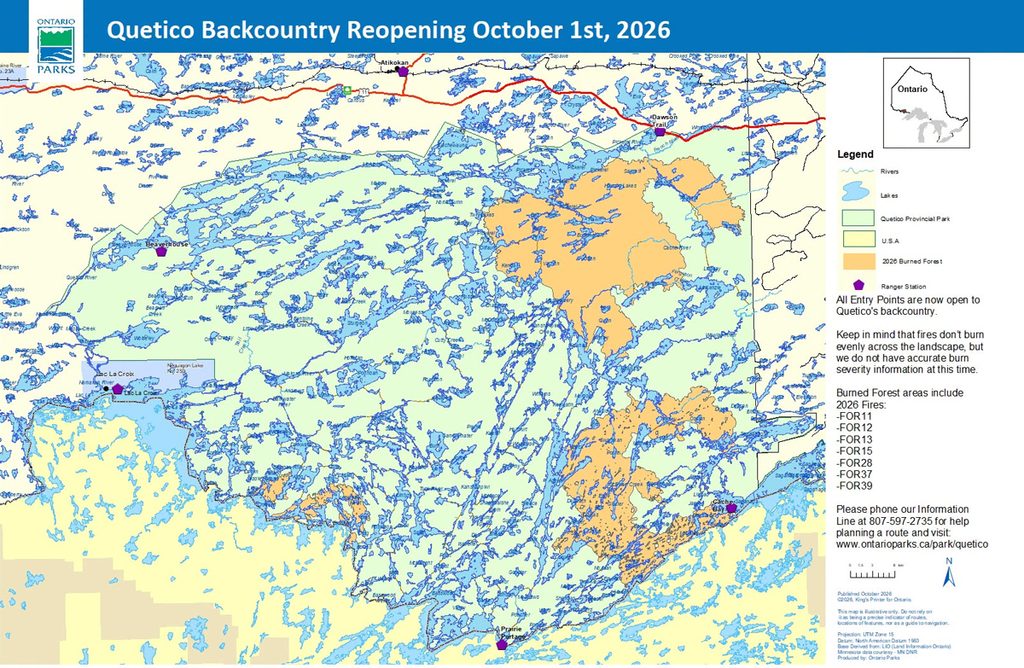
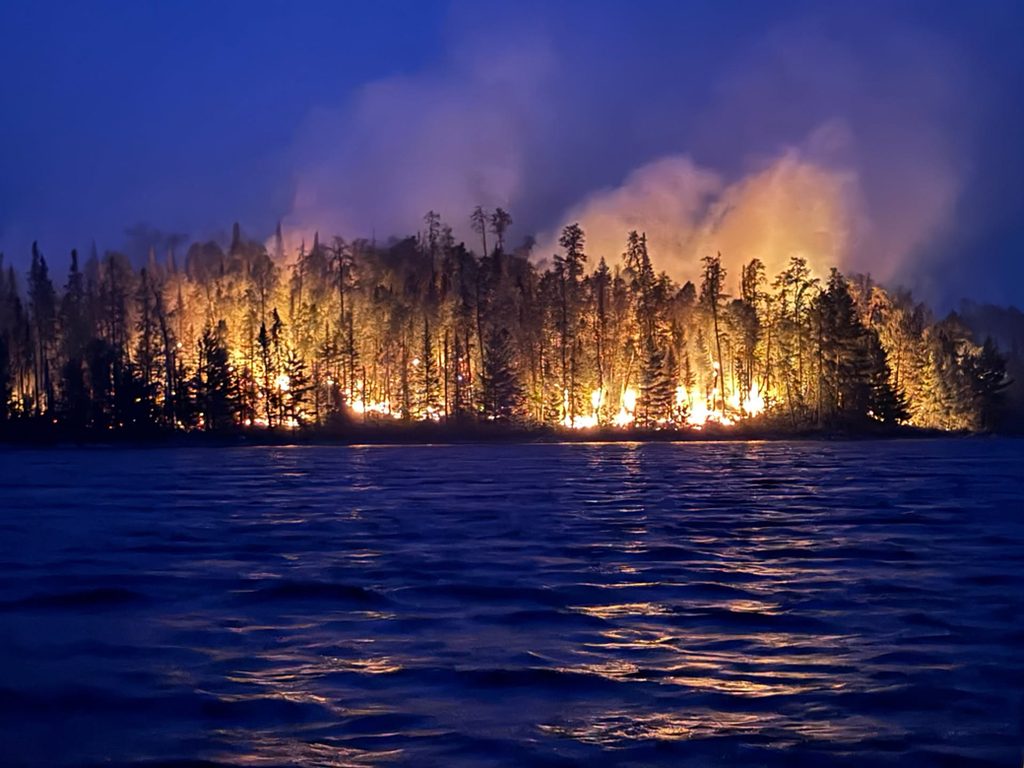
A lightning storm on July 6 sparked more than 25 wildfires across the Superior National Forest, prompting a full BWCAW closure and evacuations in three counties. All fires are now reported as 100% contained.
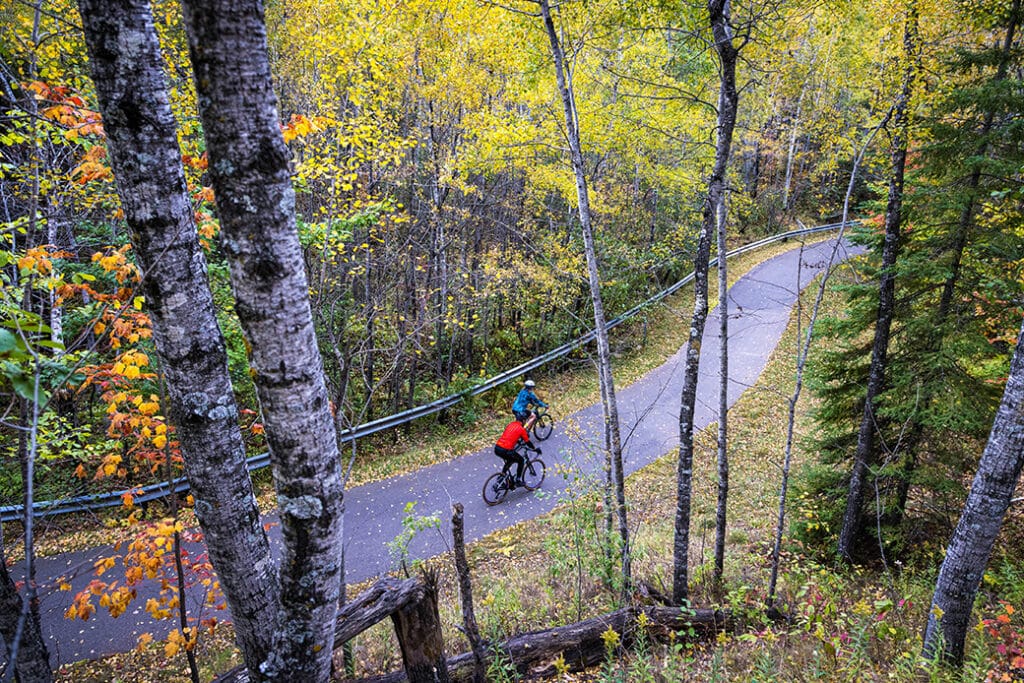
The Mesabi Trail is nearing completion as crews finish another section of Minnesota’s longest paved trail. Once complete, the trail will connect Grand Rapids and Ely with a continuous route.
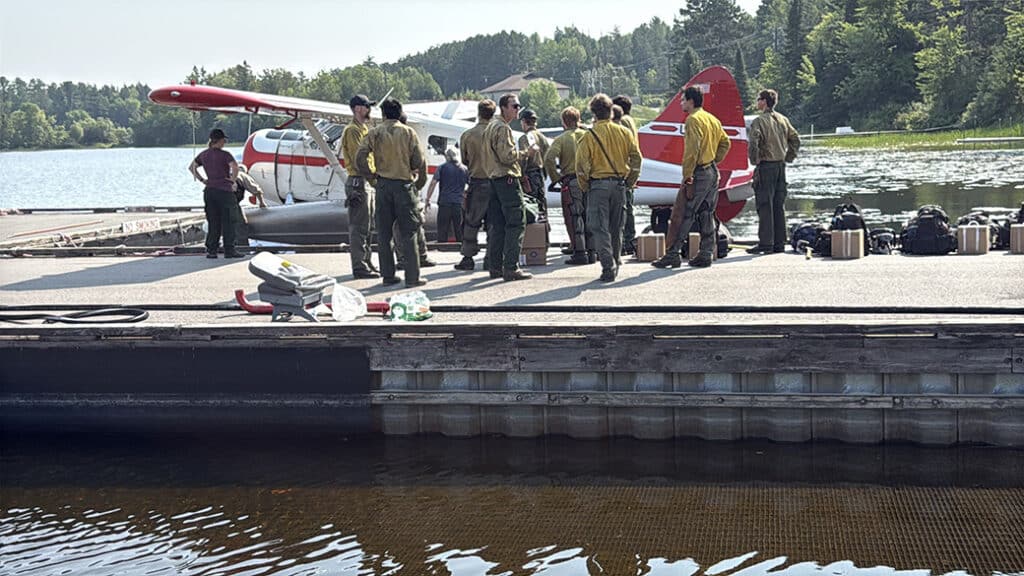
Wildfire season in the Boundary Waters is easing, partly because of rain and cooler temperatures, with many fires becoming more contained. Throughout the season, numerous agencies and wildland firefighting crews from across the United States have helped manage the incident, which has affected communities and dominated much of the summer news. One of the tools they use, the Beaver plane, has been instrumental in getting crews into remote, rugged areas.
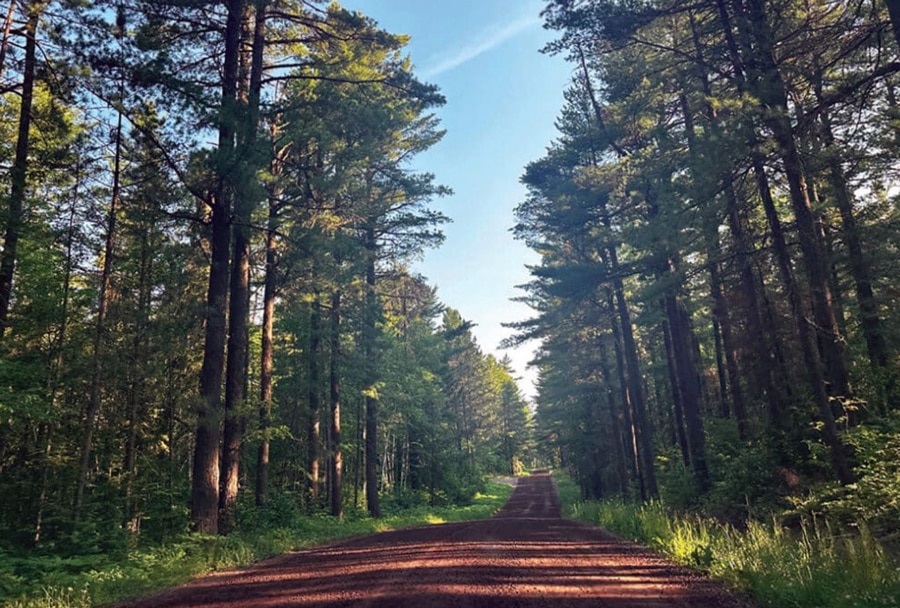
About 10 miles inland from Lake Superior, not far from the scenic North Shore, is the Finland State Forest. The 300,000-acre forest offers camping and hiking opportunities, as well as hunting, fishing, and other forest-industry-related activities. Part of the Western Great Lakes forests, this region is a transition zone between the boreal forest further north and the deciduous forests to the south.
Burning restrictions have been removed across the entire three-million-acre Superior National Forest, including the BWCAW, effective August 24, the forest announced this week…
On the same day Gov. Walz signed an executive order intended to block copper-nickel mining near the Boundary Waters, the U.S. Department of Agriculture announced it would move to rescind the federal rule that has kept new roads and timber harvest out of the Superior National Forest’s remaining roadless country since 2001.
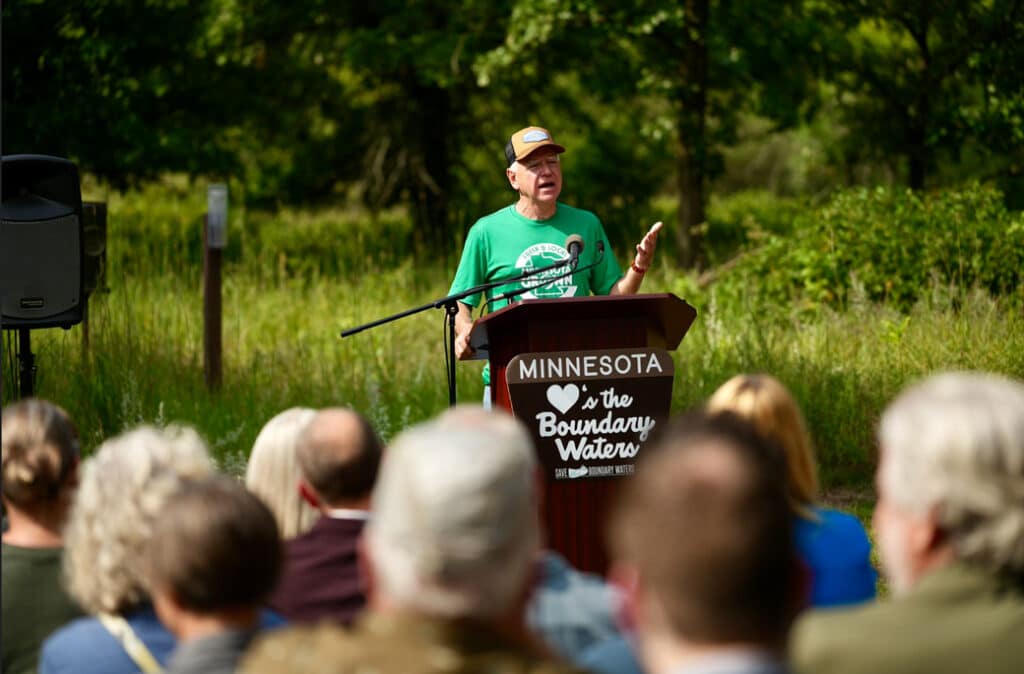
Gov. Tim Walz’s Aug. 18 executive order directs Minnesota DNR and Minnesota Pollution Control Agency to stop permitting and environmental review work on nonferrous mining in the Rainy River Headwaters Watershed. In Ely that day, Walz also proclaimed Aug. 18 “Save the Boundary Waters Day.”
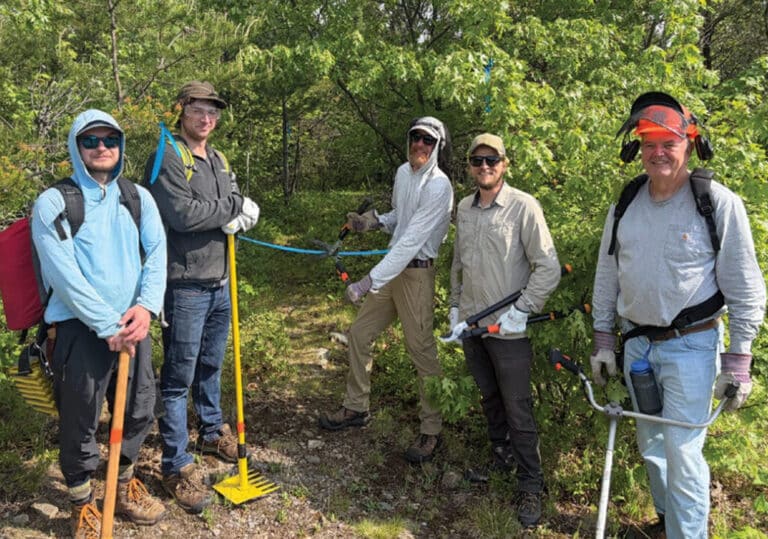
A new section of the Kekekabic Hiking Trail is being built east of Ely. by volunteer crews. Eventually, the trail will reach Kawishiwi Falls, eliminating a road walk along Fernberg Road.