🔥 Current Fire Conditions Track active fires, smoke impacts, wildfires near the Boundary Waters and North Shore updates during the 2026 fire season. Latest Updates >
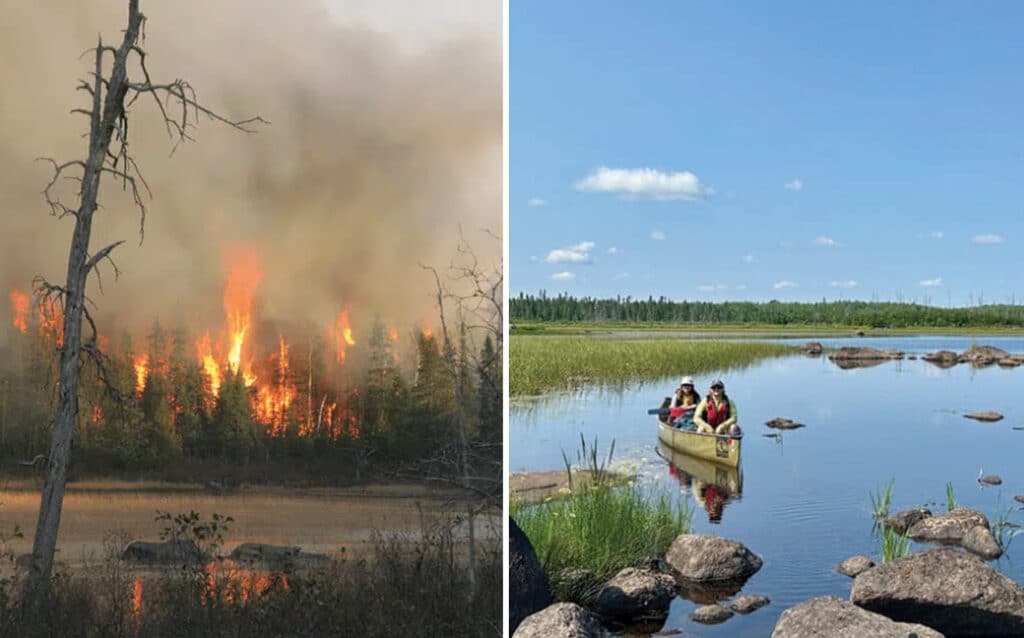
Fifteen years ago, the Pagami Creek Fire burned more than 90,000 acres of the Boundary Waters — the largest wildfire Minnesota had seen in nearly a century. Wilderness guide Pam Wright paddled back into the heart of it this summer, days after the area reopened, and found a landscape regenerating…
With rising temperatures and predictions of increasingly hot, dry summers, what does the future hold for the forest? We spoke with Minnesota ecologist and author Professor Lee E. Frelich about how climate change and future wildfires could reshape the forest.
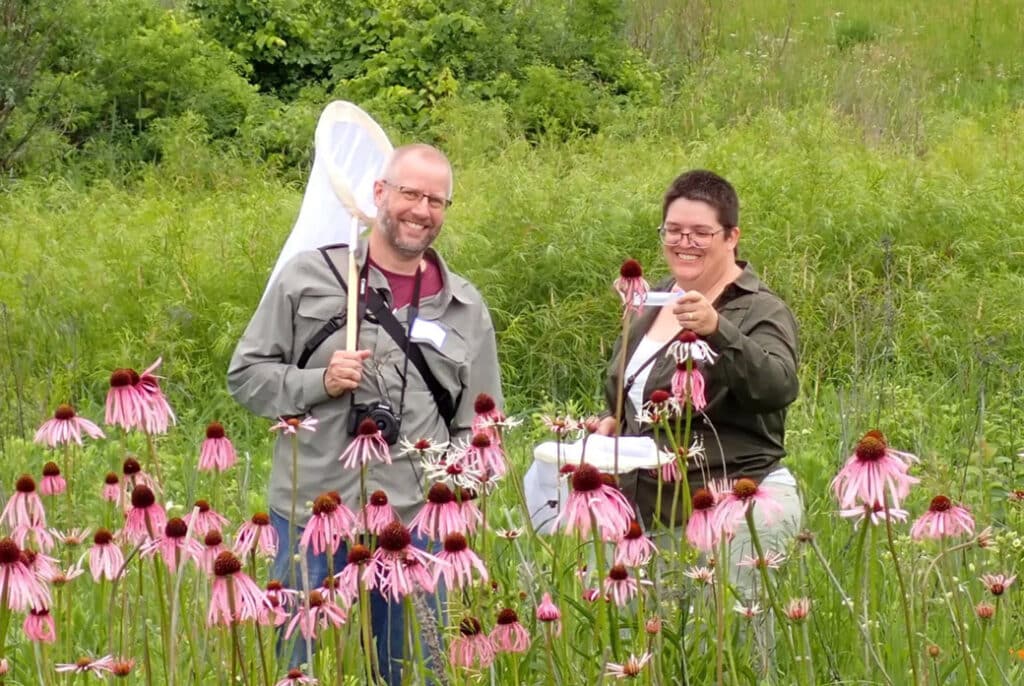
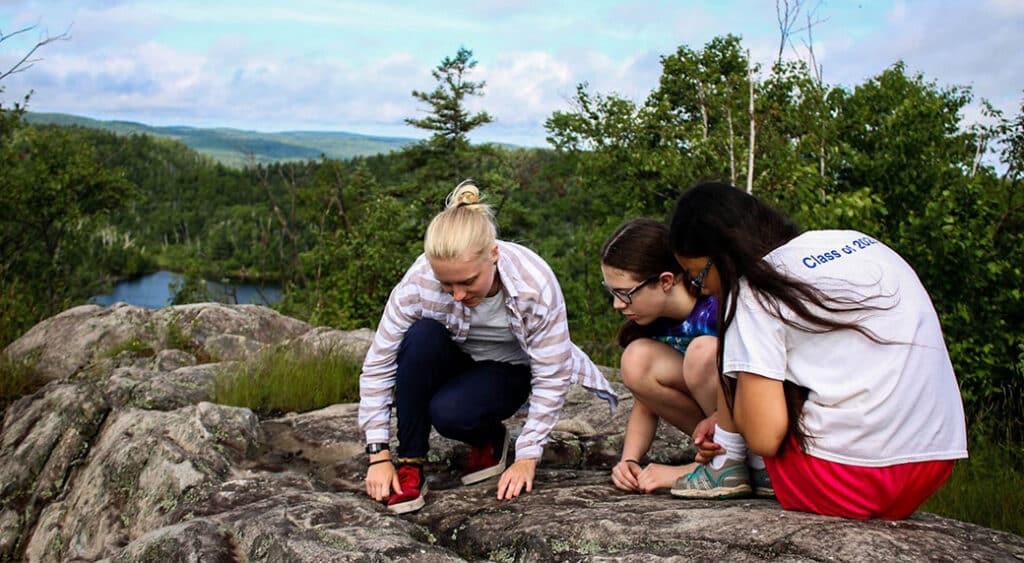
Between August 1-9, everyone who visits the park is encouraged to document as many species as possible using the app iNaturalist. The goal of the project is to provide opportunities for the public to contribute to the scientific knowledge of the area, helping to inform park management and conservation efforts.
While many permits have been canceled due to ongoing wildfires in the BWCAW, there are still plenty of opportunities to explore areas outside the wilderness and nearby communities. Plan your northern MN adventure with our favorite alternatives to the Boundary Waters.
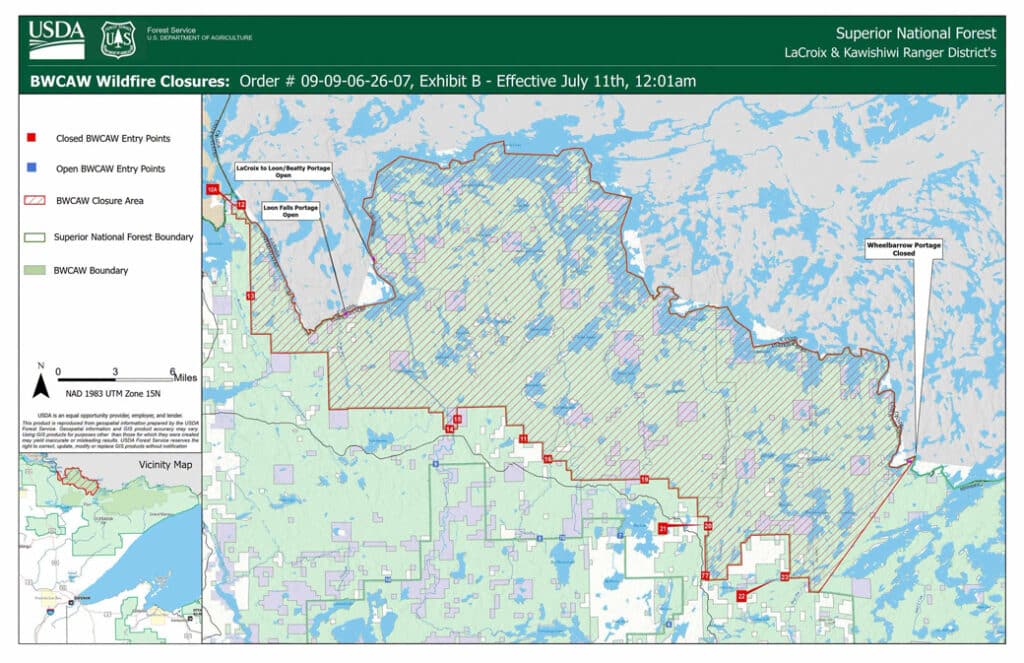
BWCAW permits are cancelled through July 24, and the closure order now formally runs through October 1, or until rescinded. The Forest Service said this week that it is assessing opportunities to reduce the closure in areas where conditions allow.
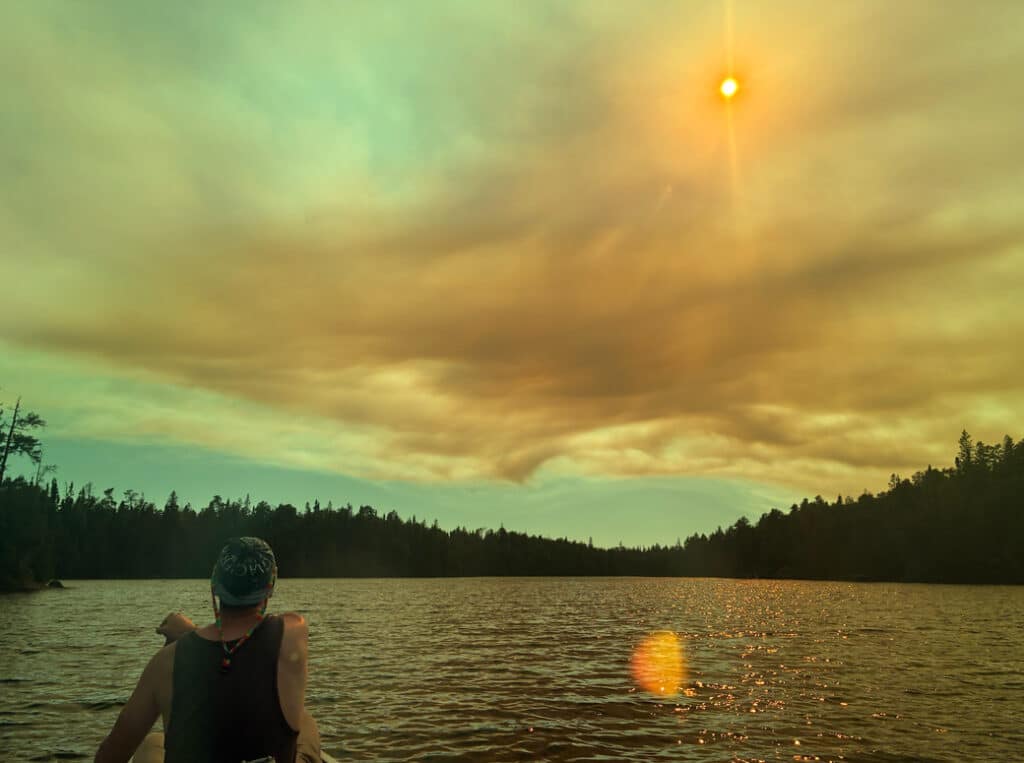
Their Boundary Waters trip started with mosquitoes, unusually warm weather, and rugged portages. “Little did we know, those trials by fire were going to be just stick kindling compared to the real fires ahead…”
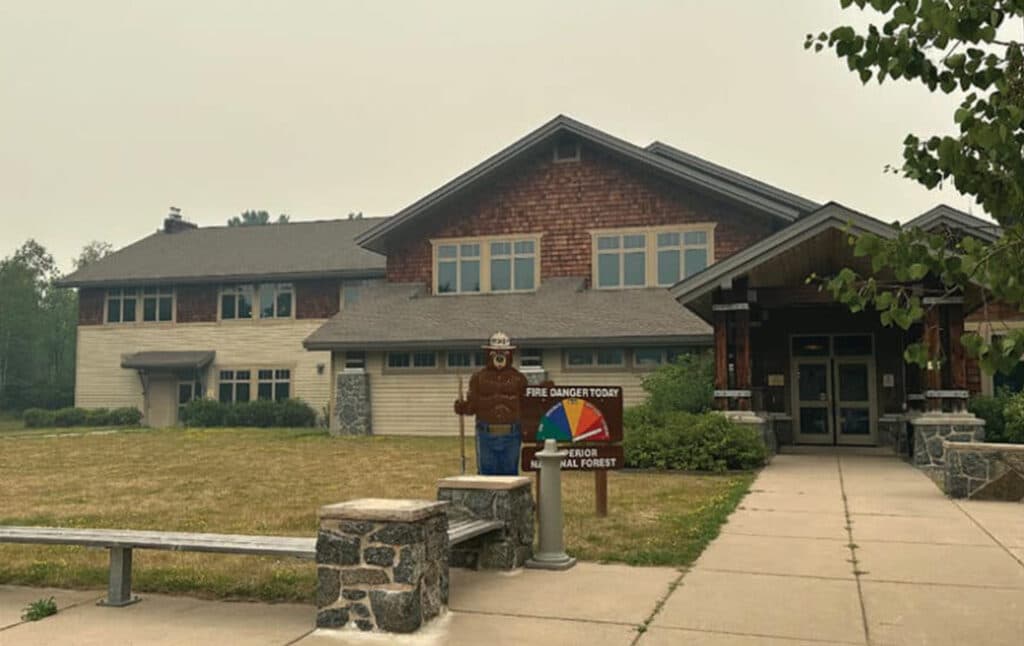
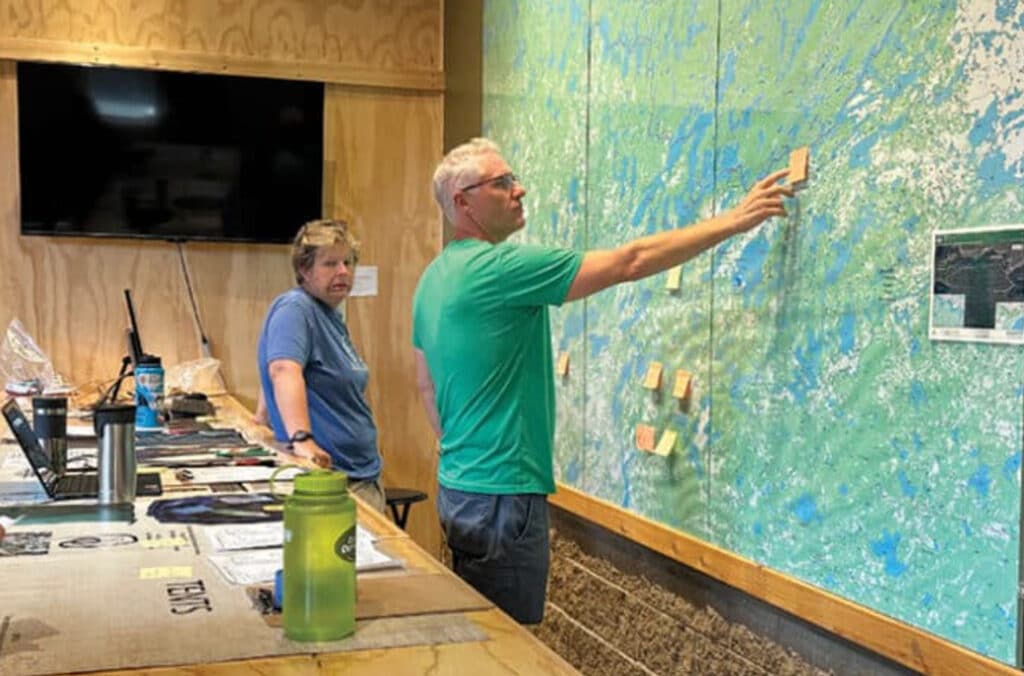
Officials representing multiple agencies, including the USFS-Superior National Forest, held a press conference Wednesday at the Kawishiwi Ranger Station in Ely. They provided updates and plans for the wildfires burning in the BWCAW and northeastern Minnesota.
With the entire Boundary Waters closed and no reopening date announced, outfitters on both sides of the wilderness are scrambling — canceling and rerouting trips, fielding calls from visitors who flew in from across the country, and hoping the next few days bring better news.
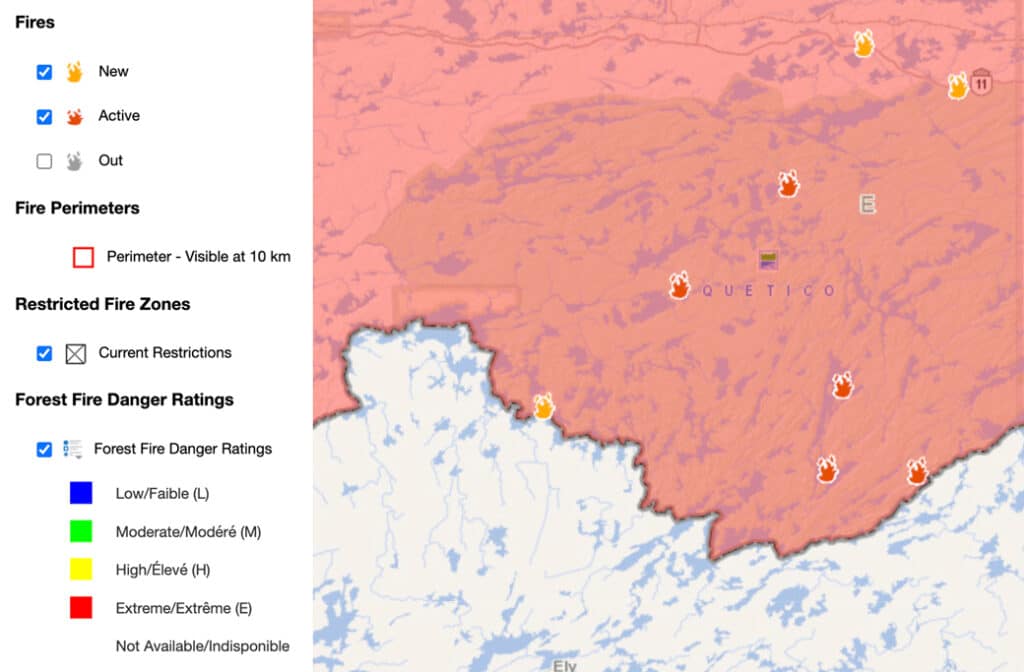
Quetico Provincial Park has closed Dawson Trail Campground due to nearby forest fire activity, according to the park’s alerts page. All backcountry entry stations are also closed.
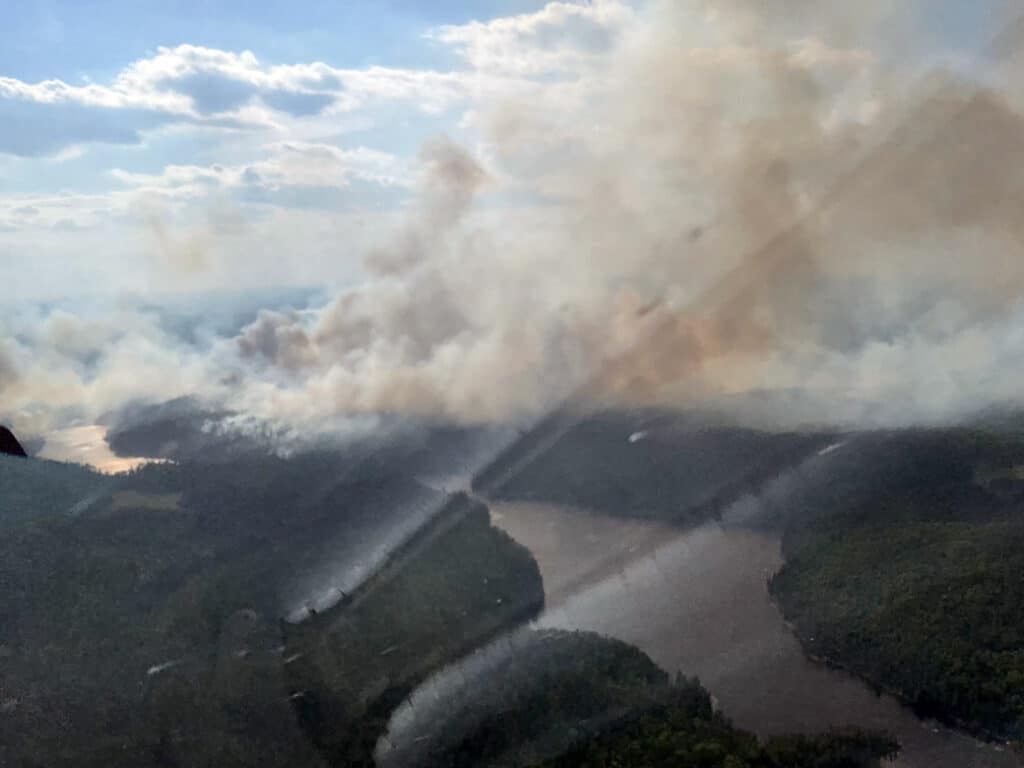
The USDA Forest Service is closing public access to portions of the BWCAW to protect public health and safety. One order closes three wildfire areas surrounding the Bear Trap, Thumb, and Wolfpack fires in the LaCroix Ranger District, affecting 13 entry points; a second closes 15 lakes in the northwestern Gunflint Ranger District, effective July 12, due to a wildfire in Quetico Provincial Park.
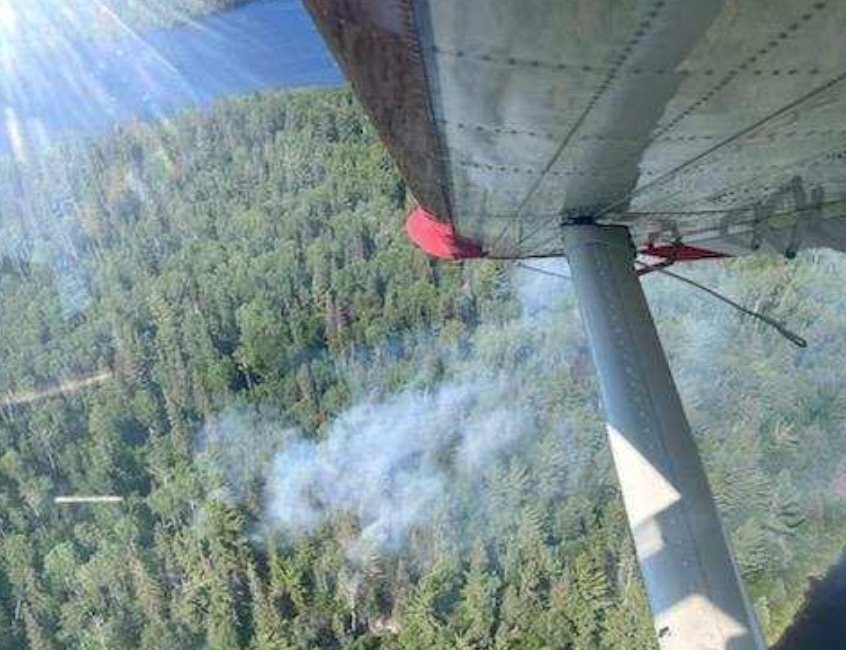
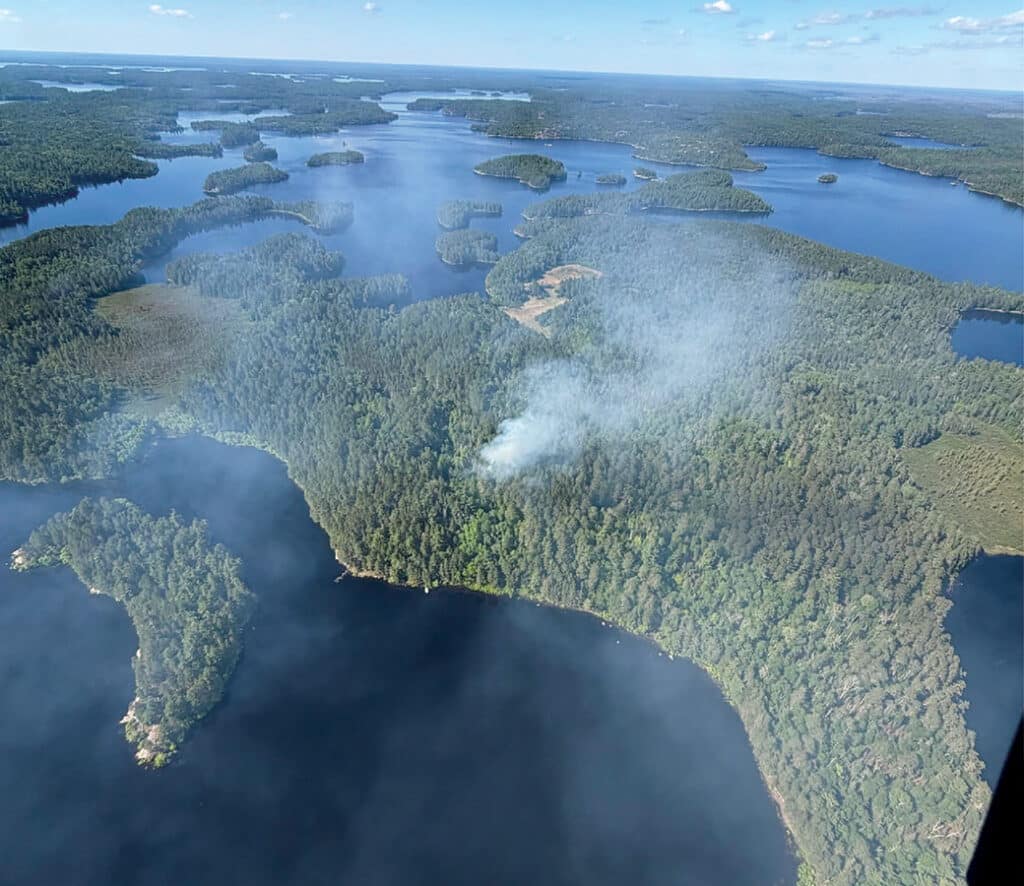
A small wildfire detected in the Boundary Waters Canoe Area Wilderness last week is now fully contained, the Superior National Forest said in its final update on the fire July 5.
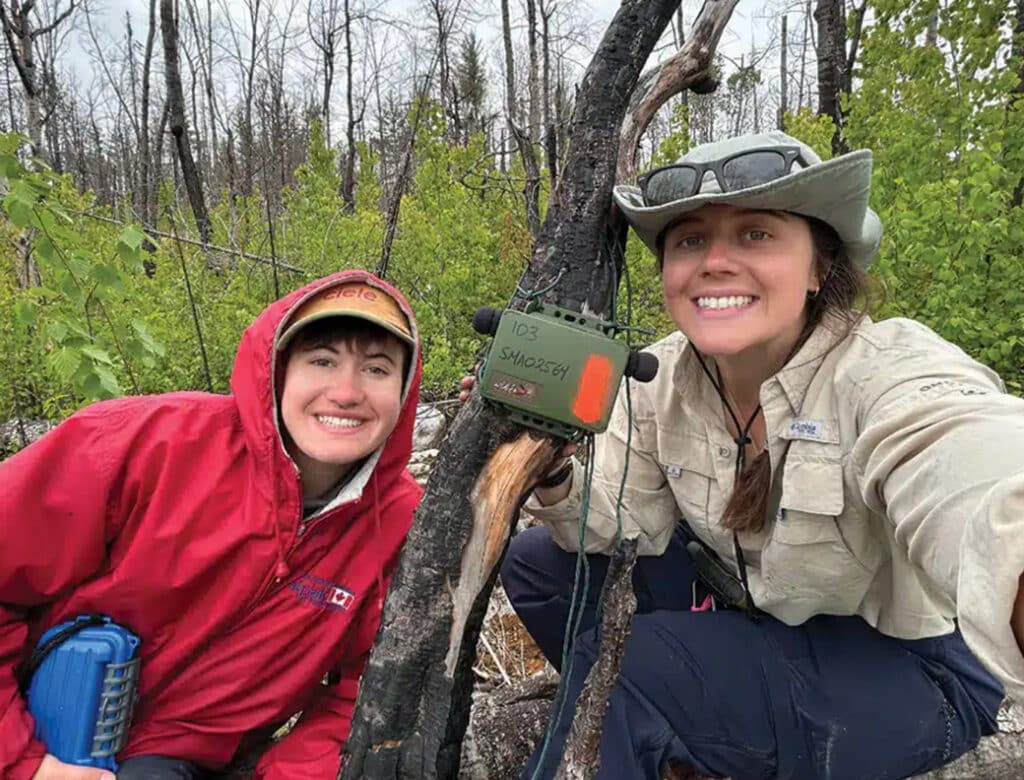
A long-term songbird study is underway deep within Quetico Provincial Park. This spring, researchers placed 17 recording units across key habitats to monitor songbird species. Data will reveal trends especially as climate change affects the park and bird species.
The Superior National Forest is reconsidering their cancellation policy on Boundary Waters Canoe Area permits. The most visited wilderness in the country requires a permit, usually booked online. In recent years, cancellations and no-shows have been on the rise…
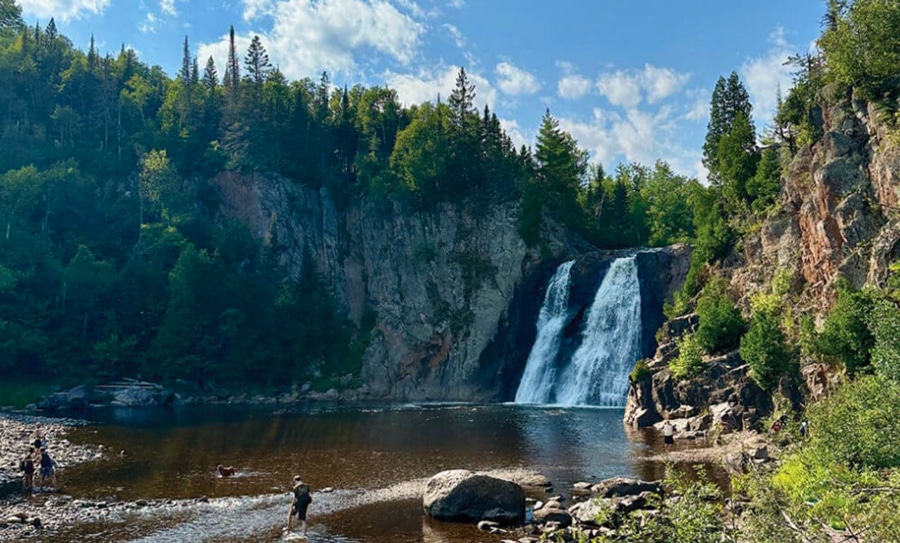
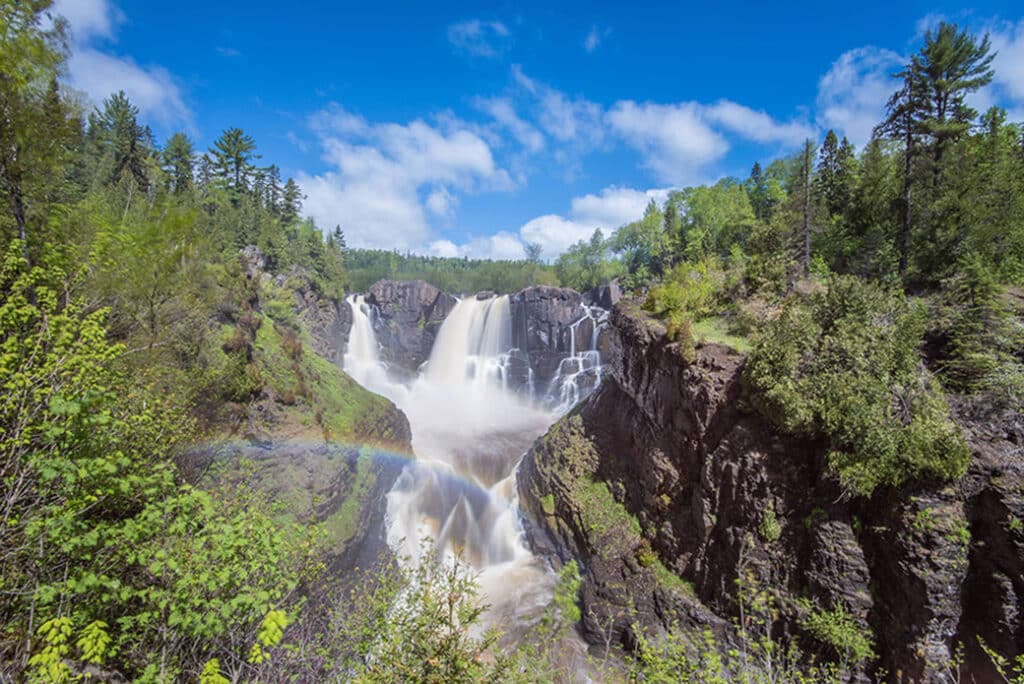
Minnesota’s highest waterfall is getting an upgrade. Grand Portage State Park will use a $1.1 million Get Out MORE investment to upgrade its iconic High Falls trail and boardwalk by 2027.
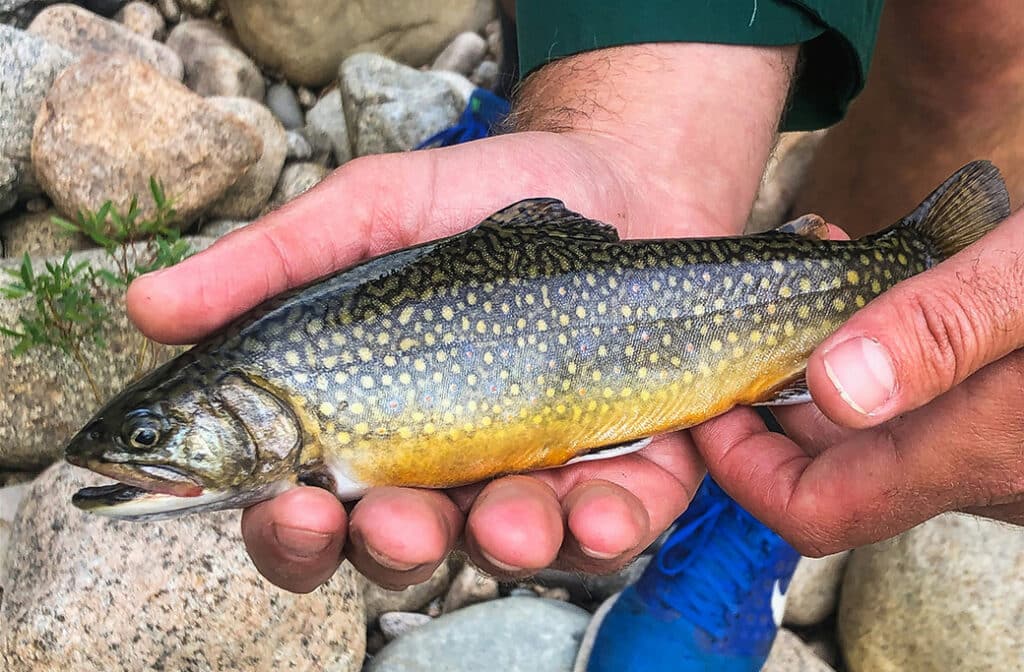
The Minnesota Pollution Control Agency conducted a study identifying sensitive brook trout habitat near a proposed data center in Hermantown. The project raises concerns among area residents and environmental groups about potential impacts to the watershed.
A conservation easement created in partnership between Wolf Ridge Environmental Learning Center and The Nature Conservancy now protects 928 acres of forested land forever. The center offers camps and activities to help people learn about forest ecology, sustainability, and land stewardship.
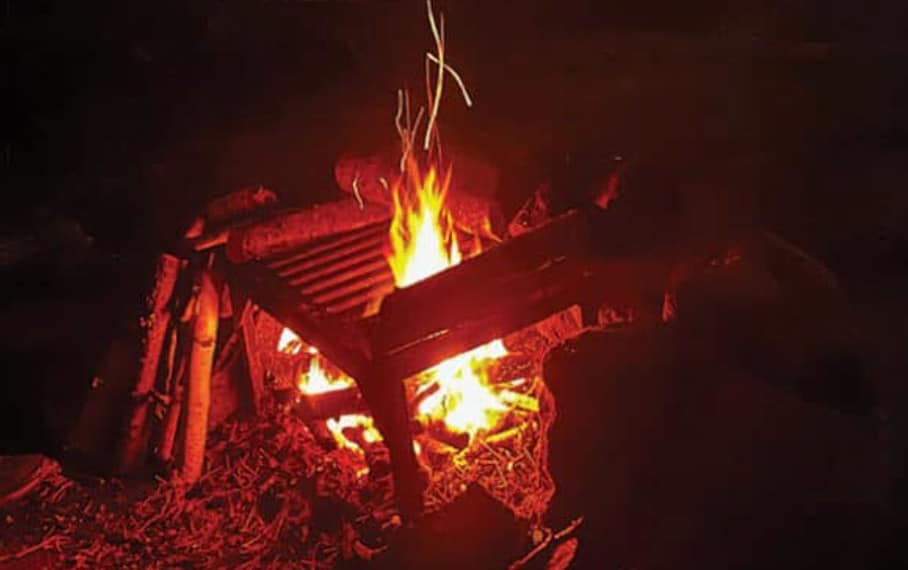
The USFS announced that the ban on campfires in the BWCAW would be lifted as of June 12. The restriction was announced due to dry conditions and elevated wildfire risk.
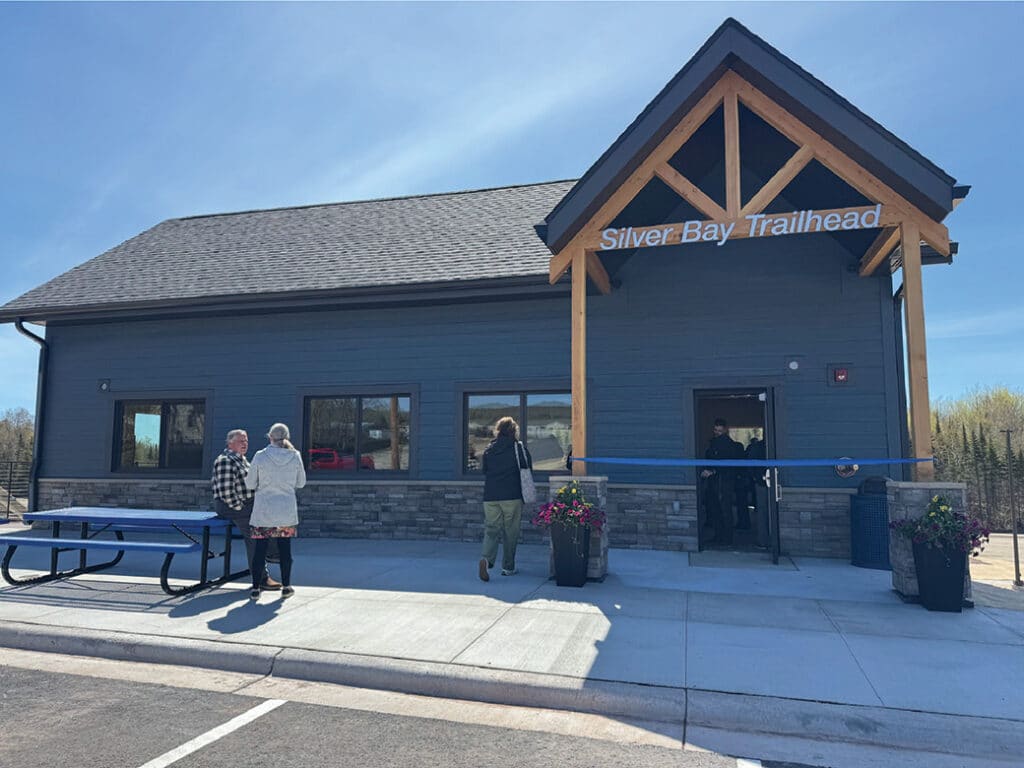
North Shore adventurers have a new basecamp. Silver Bay’s new downtown trail center sits at the crossroads of major hiking, biking, and snowmobiling routes, offering the perfect spot to relax, use the restroom, or shower after a day on the trails.
Three new wildfires ignited in the BWCA due to storms that passed through the area on Thursday, June 4. The Superior National Forest said that crews have been working on management and suppression techniques. The wilderness campfire ban will remain in effect through June 30.
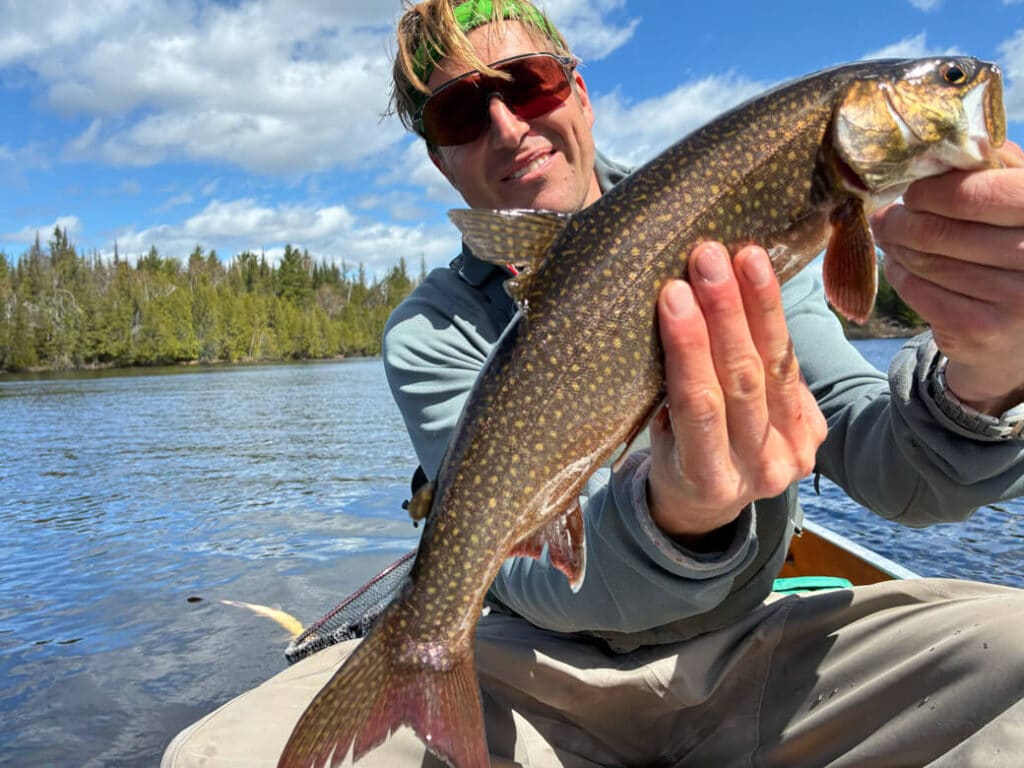
What’s more demoralizing to a wilderness canoe tripper than a 30-mph headwind? Facing a grueling 12-hour battle across the Boundary Waters, Chris Pascone pushes his limits to reach Ogishkemuncie Lake. Along the way, he discovers the power of camaraderie, and the fascinating secret behind Ogish’s famous “red-flesh” lake trout.