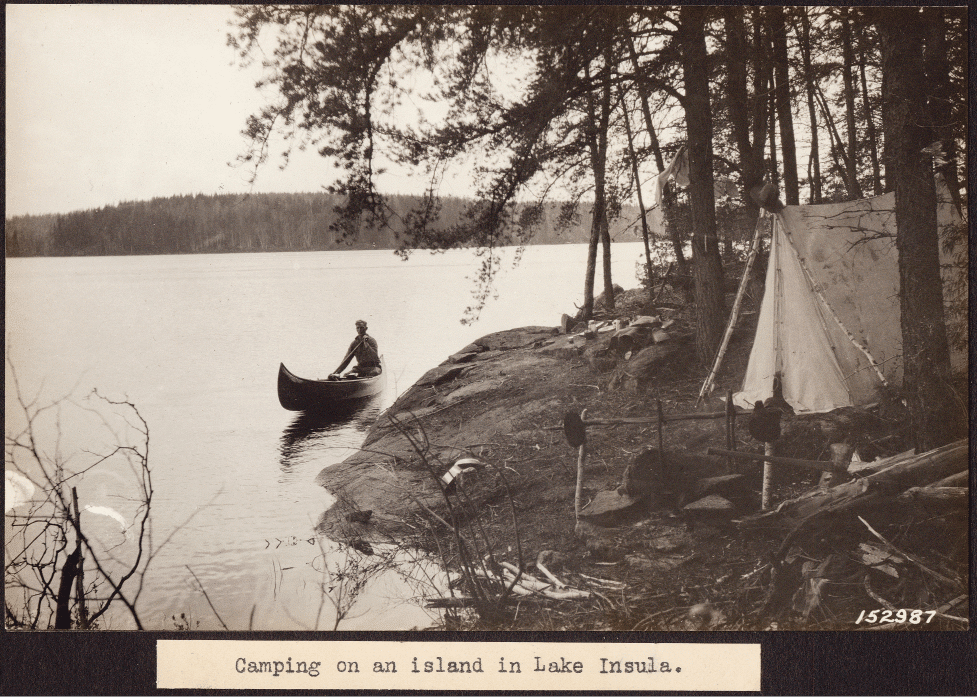
Retracing Arthur Carhart’s BWCA canoe route 100 years later
Three paddlers follow famous 100-mile route that helped shape the concept of wilderness.


Three paddlers follow famous 100-mile route that helped shape the concept of wilderness.

Bois Forte Band of Chippewa and Ely Folk School create a new map showing traditional names for more than 100 lakes, rivers…
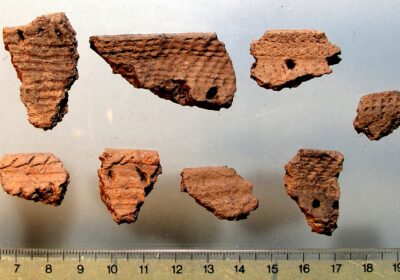
More than a thousand years ago, people living in what is now the BWCAW made a vessel from clay and stone, and cooked a meal in it. Then, a few years ago, archaeologists found fragments of the pot…

Site used for thousands of years and during recent centuries played an important role in metal trade over huge spans of time.

The Minnesota Conservation Volunteer has been published by natural resources departments for nearly half the state’s history.
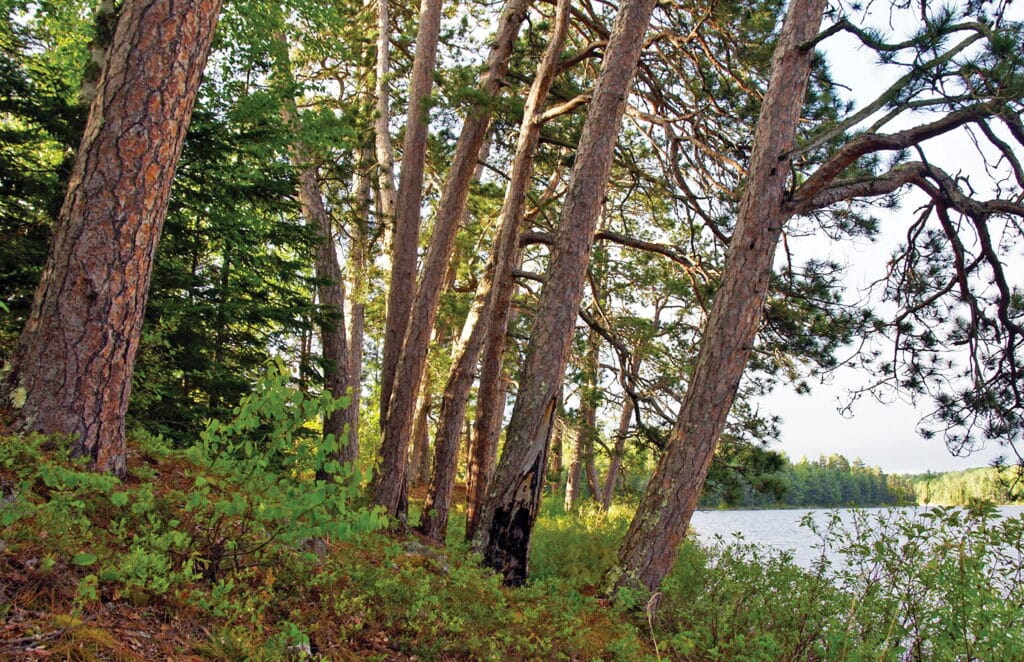
New study shows how people shaped iconic canoe country forests with fire, authors say it’s time to get back to those roots.
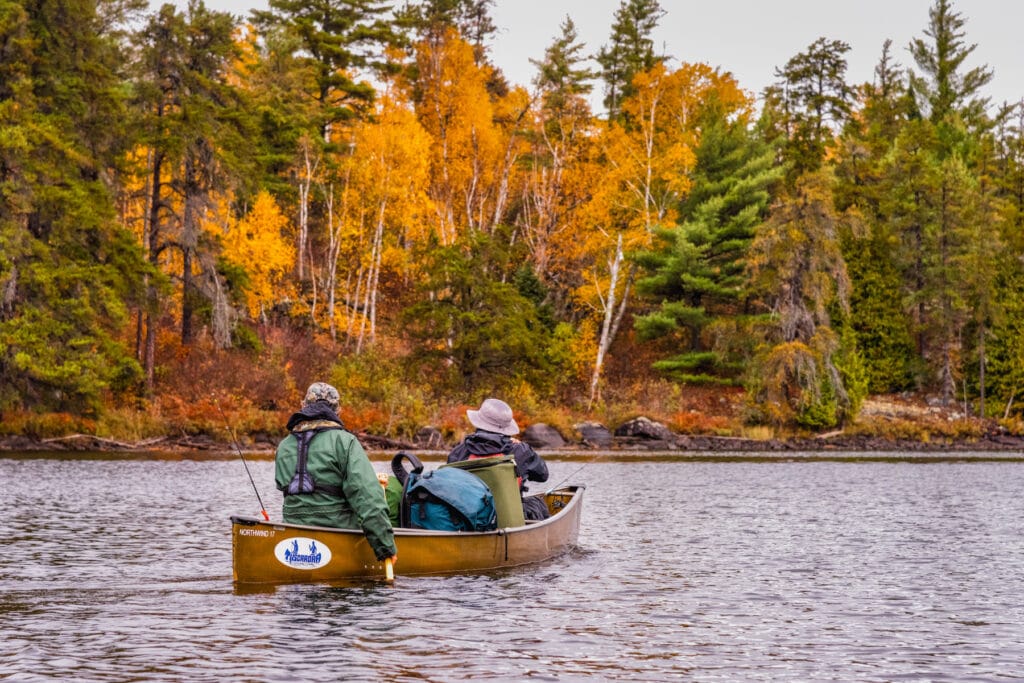
A legendary BWCAW canoe route, almost 100 miles long, pioneered by early trappers and conservationists was nearly lost to time.
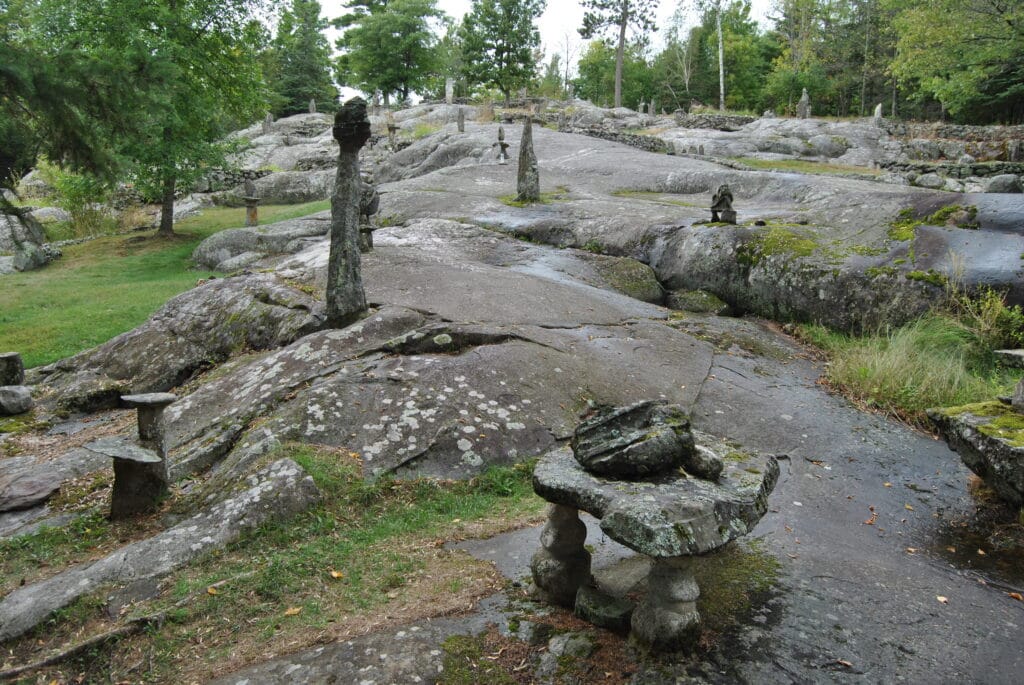
Extensive improvements completed as popular visitor destination is brought back to its original glory.
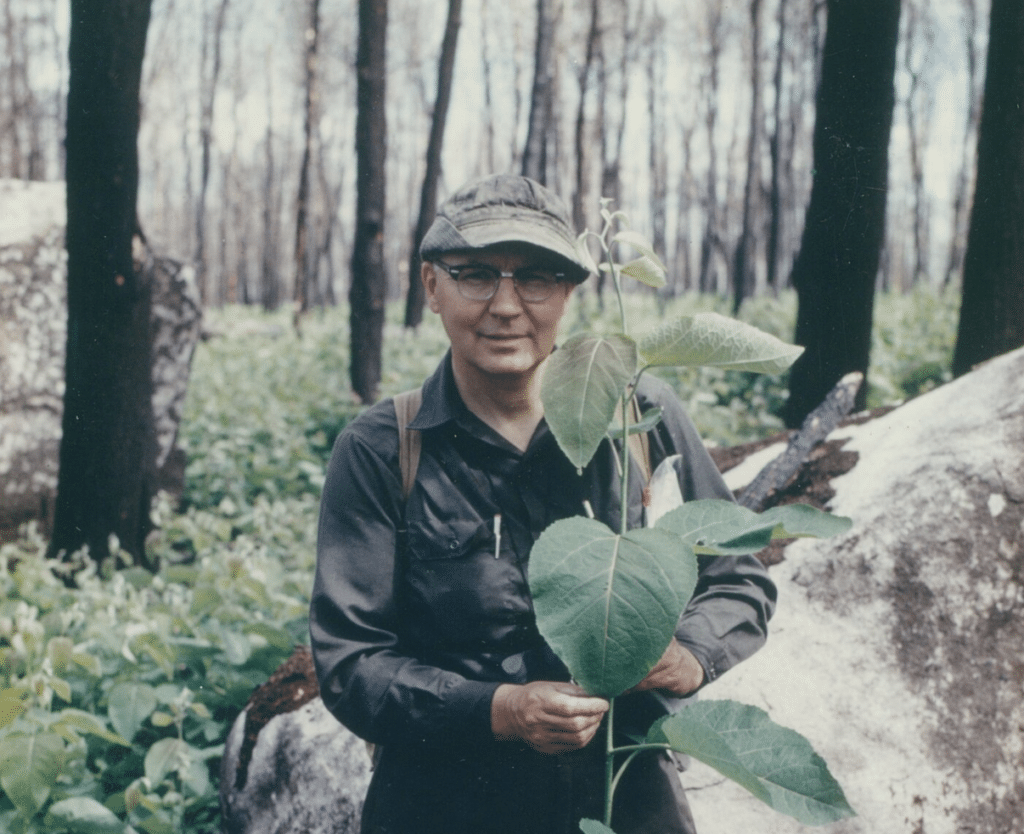
“Bud is one of our greatest and least recognized heroes. A giant figure in the battle for the Boundary Waters Canoe Area Wilderness…”
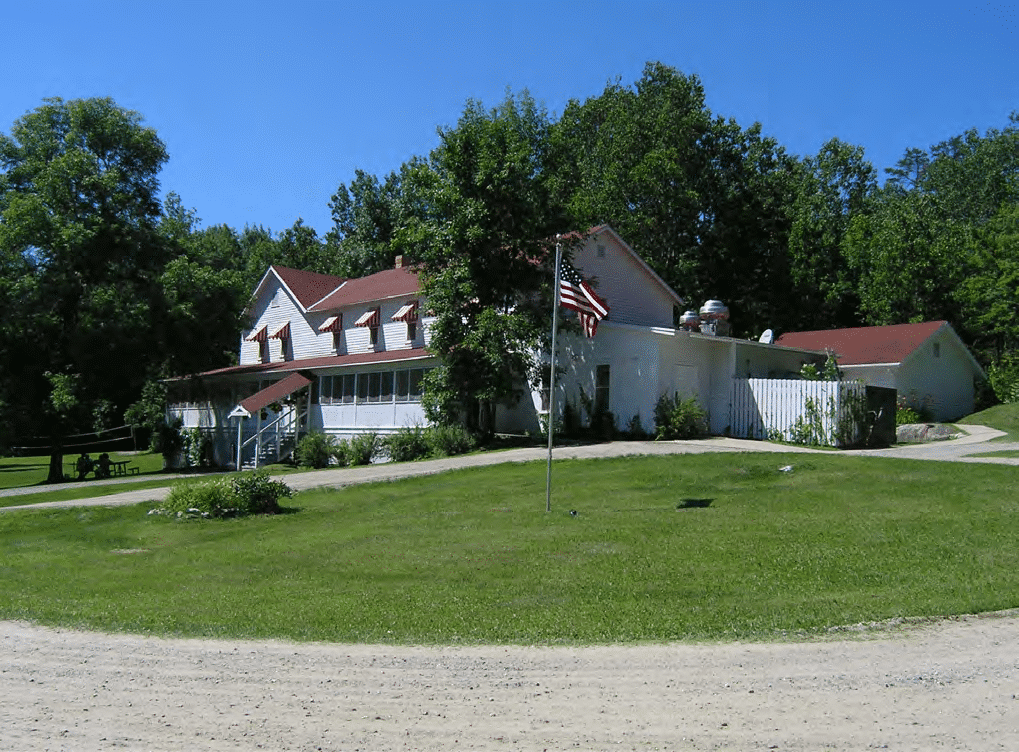
The public is invited to submit comments on the environmental impacts of updates and upgrades to historic part of the park.
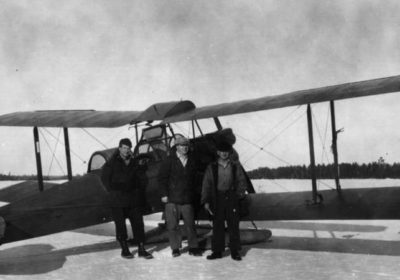
As far back as the 1930’s, airplanes have flown into the remote reaches of Quetico, patrolling for poachers, delivering supplies to rangers, fighting forest fires… Jill Legault from Quetico Provincial Park shares this look back to the ‘bush planes’ and intrepid pilots that flew into the border lakes backcountry.
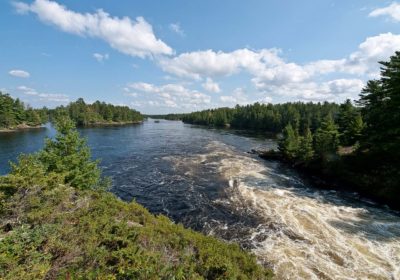
National Park Service invites input on preliminary plans for changes to lodging, day-use recreation, and other improvements to the popular part of the park.
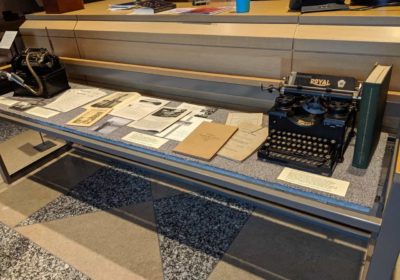
Exhibit at Minnesota History Center features large collection of historical materials connected to the famed early explorer and defender of the Quetico-Superior region.
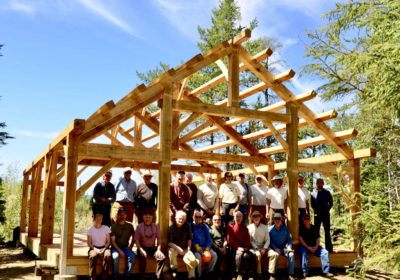
Chik-Wauk Museum invites visitors to learn about regional history and enjoy the natural surroundings.
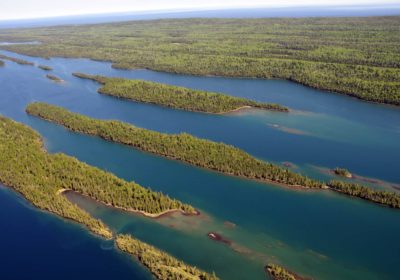
Designated the entire chain of islands recognizes thousands of years of indigenous connections and creates opportunity to tell new stories.
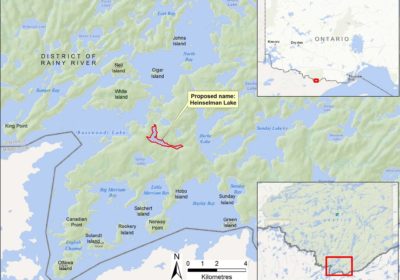
Anyone with knowledge of a small lake in Quetico is invited to offer input on proposal to rename it after Miron “Bud” Heinselman, who advanced scientific knowledge of the boreal forest and pushed for its protection.
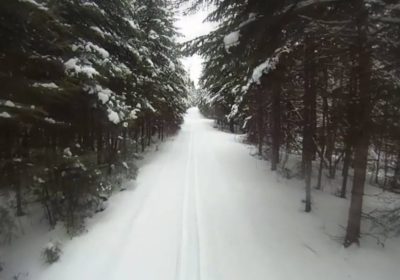
Snow underfoot, dark pines above, a white path beckons cross-country skiers into the Boundary Waters and offers glimpses into its past.
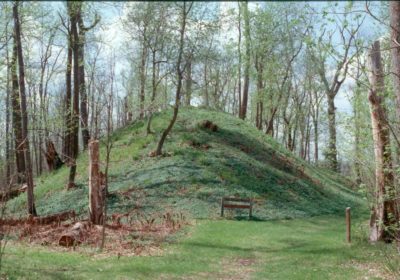
Minnesota Historical Society decides to keep Grand Mound Historic Site closed out of respect for Native American communities.
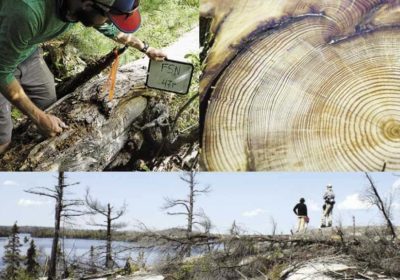
“By examining annual growth rings in increment cores taken from tree trunks, we found that many pines at this site were more than 250 years old. Distinct injuries recorded within their rings denoted the passage of multiple low-severity surface fires that damaged but did not kill many of these trees…”
Editor’s Note: Whenever possible, Quetico Superior Wilderness News highlights partners committed to protecting or enhancing the wilderness character of the region. The following piece is reposted with permission by the Voyageurs …