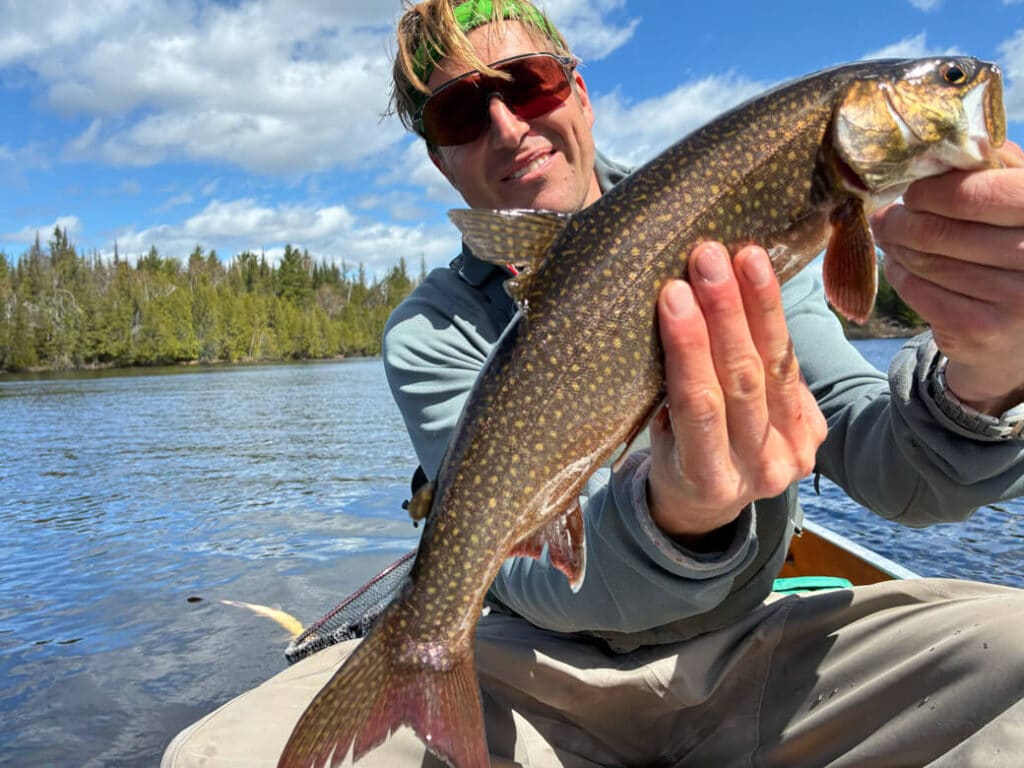
PFAS in Lake Superior: new fish data sheds light on long-term trends

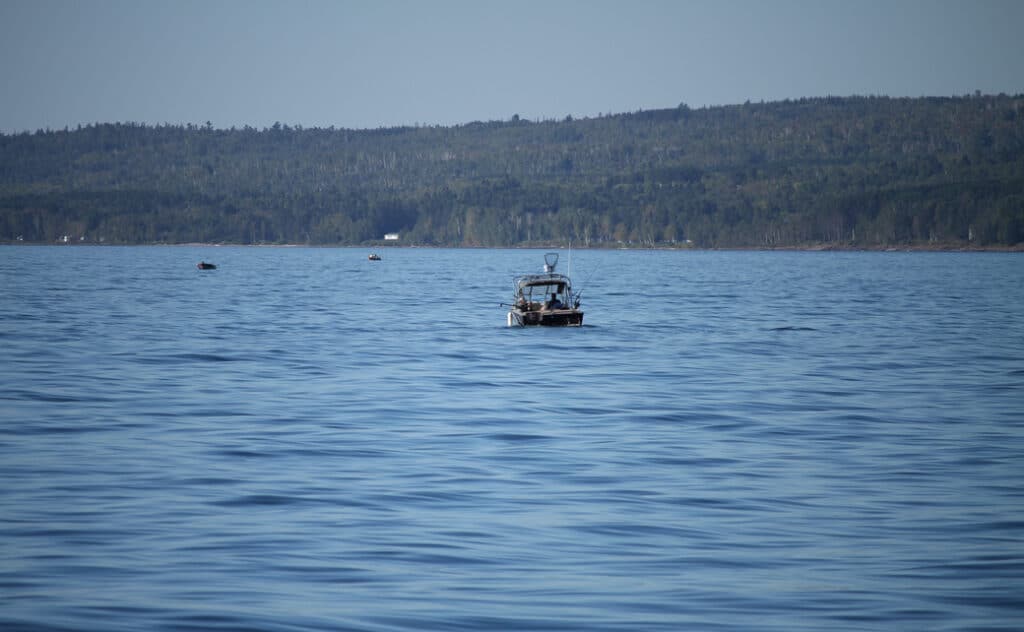
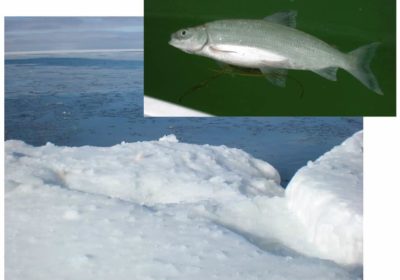
A recent analysis of lake trout and walleye from the EPA’s Duluth laboratory reveals a rare environmental bright spot: PFAS levels in Great Lakes fish have declined significantly since the late 2000s. While Lake Superior can take almost two centuries to ‘flush,’ this study suggests the biological food web is responding much faster to industrial phase-outs than previously thought.

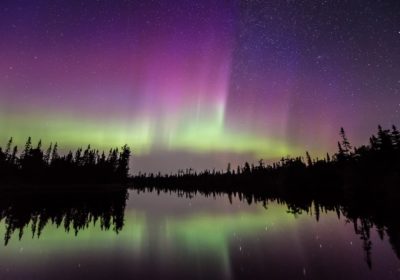
Wilderness Voices: Travis Novitsky

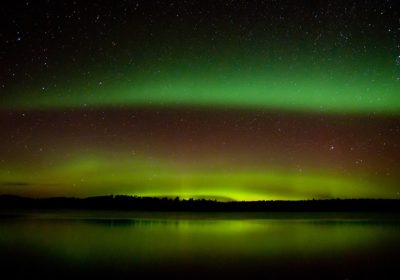
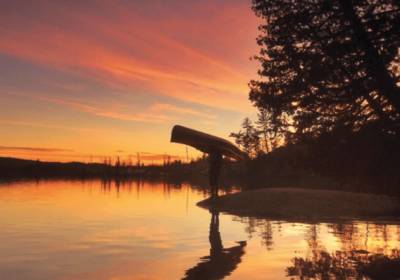
“Some of my most unforgettable moments are sitting on the shores of a boreal forest lake on a calm night with no wind, watching the northern lights dance overhead while the haunting calls of loons echo across the water.”  

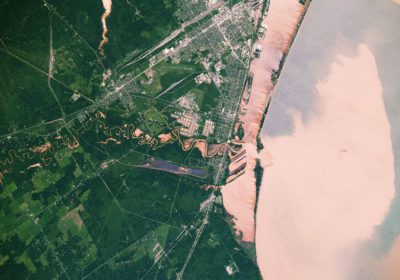
Red clay runoff into Lake Superior captured from space

As the snow melts every spring, the Nemadji River ‘unloads’ red clay sediment into Lake Superior, and in June the Duluth-Superior region experienced heavy rains. A stunning photo of red clay sediment flowing into the lake was captured by…

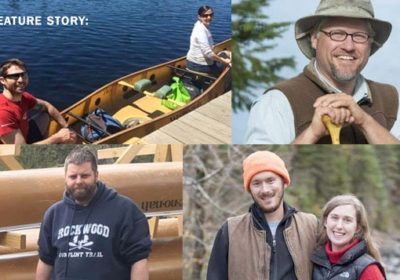
Honoring Veterans with a Boundary Waters wilderness experience

In July, five veterans of our US armed forces gathered to celebrate Independence Day in the BWCAW. The group had never met and most had never paddled before, but they were all ready to leave civilization behind to enjoy peace and serenity, and hopefully some good fishing.  

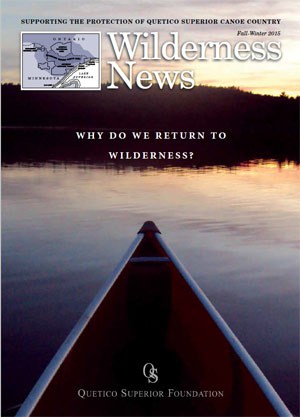
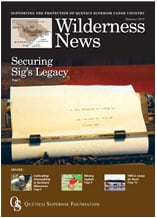
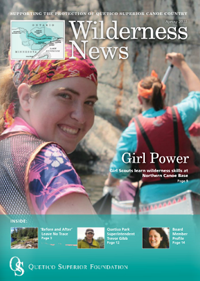
Why Do We Return to Wilderness? Wilderness News Fall-Winter 2015

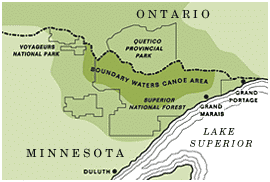
At the Quetico Superior Foundation (QSF), our mission is to protect the wilderness character of Minnesota’s border lakes canoe country and Ontario’s Quetico region. We do that through the publication of Wilderness News and by giving grants to non-profit organizations that share our mission. We know that leaving a lasting legacy is better done through the actions of many. Here, we pay tribute to and thank some of the organizations that have put our grants to use over the last few years…

State of the Boundary Waters and Paddling to DC – Wilderness News Fall Winter 2014 Issue

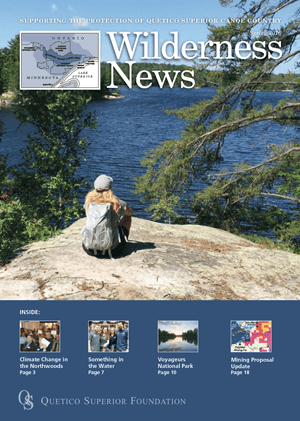
Cover Story: How will proposed mining, climate change, invasive species, nutrient loading, and algal blooms change the border lakes? The Quetico-Superior region of Minnesota and Canada bring to mind lake country—a landscape characterized by glacier carved lakes filled with clear, cold and clean water. Yet the list of possible impacts on northern Minnesota water quality is long: proposed mining, climate change, invasive species, nutrient loading, and algal blooms to name just a few…