
There is now evidence that cougars, which used to be native to Minnesota, are reproducing in the state again. A recent video shared by the Voyageurs Wolf Project caught a female cougar and three kittens on one of their trail cams. This marks a historic milestone as there has been no evidence of the animals reproducing in the state for at least 100 years. While researchers are optimistic, they caution that long-term success remains to be seen.
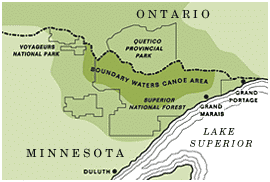
A recent video captured by the Voyageurs Wolf Project clearly shows a female cougar and three healthy-looking kittens. One of the project’s trail cameras spotted them a little south of Voyageurs National Park in northern Minnesota. The footage, captured on March 25, shows the animals at a kill site, feeding on a deer carcass and interacting in a wooded area.
The discovery caught researchers off guard. “Looking at the footage was and still is surreal. We never anticipated seeing four cougars together in northern Minnesota,” said Thomas Gable, project lead of the Voyageurs Wolf Project. “In total, we captured around four hours of footage of this cougar family at the kill, and it was fascinating to see and hear their interactions — the mother grooming her kittens, the kittens growling and hissing at each other. We feel incredibly fortunate we were able to capture such a wild moment in such detail.”
John Erb, a research scientist with the Minnesota Department of Natural Resources (DNR), said that they believe the kittens are around 7-9 months old. This means they would have been born in the fall of 2025.
When asked in a Facebook post about whether the group could have traveled from another state, the DNR said, “It’s not likely.” They said that a female cougar’s range typically stays within 50 square miles. They added that the territory is probably smaller while they’re busy raising young.
Animals were native to the state

The large carnivores used to be native to Minnesota. According to the DNR, there’s no evidence that the animals have reproduced in the state in over 100 years. This includes east of the Dakotas and Nebraska. However, more sightings have recently popped up in the region. Biologists have identified those as lone adults, usually males, passing through.
While the discovery is promising, it doesn’t mean a successful outcome for the species. “Although this is an important starting point for potential population establishment in Minnesota, predicting the future is extremely difficult,” Erb said. “These kittens might not survive, potentially getting killed by wolves, a male cougar or vehicles. They may also become part of the founding catalyst for a slow but steady increase in numbers. Time will tell, but we are clearly nearing a point where the probability of a self-sustaining population has increased.”
The Voyageurs Wolf Project, which started in 2015 by the University of Minnesota, studies how wolves behave during the summer months. They have set up numerous trail cameras throughout the northeastern part of the state, which have captured not only wolves but also many other animals. Since 2023, their cameras have captured 8 lone, adult cougars. Until recently, none included kittens. After suspecting that a cougar may have killed a GPS-collared deer, researchers set up two trail cameras.
Cougars are protected by the state, and sightings are rare. If you encounter a cougar, you can report the sighting to the DNR, which tracks and maps them. Funds for the Voyageurs Wolf Project come from the Minnesota Environment and Natural Resources Trust Fund.
More info:
- News Release: Evidence of reproducing cougar population in Minnesota – Minnesota Department of Natural Resources
- Cougars in Minnesota – Minnesota Department of Natural Resources