New conservation easement protects 928 acres at Wolf Ridge

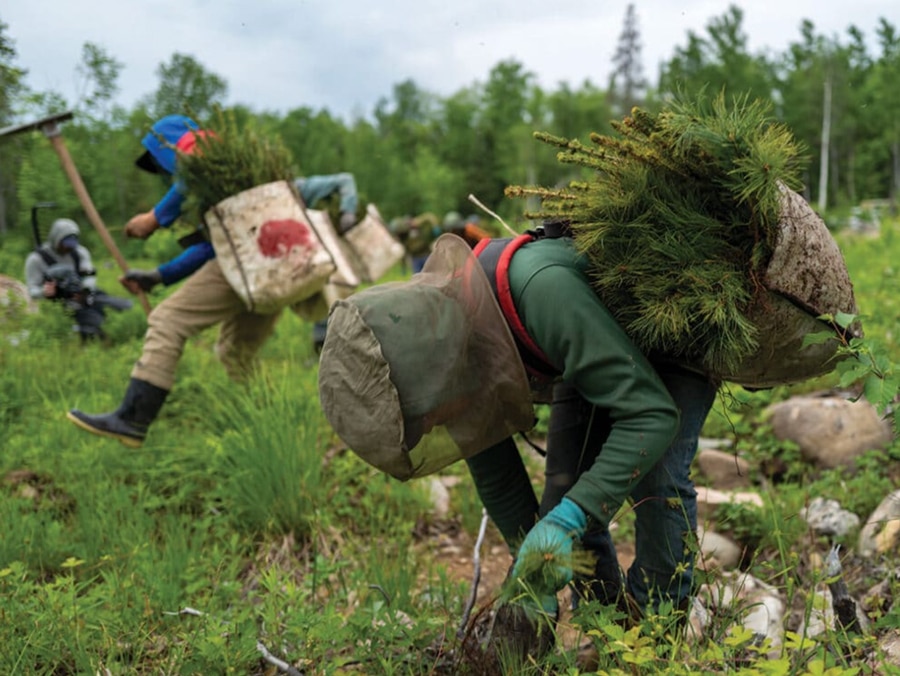
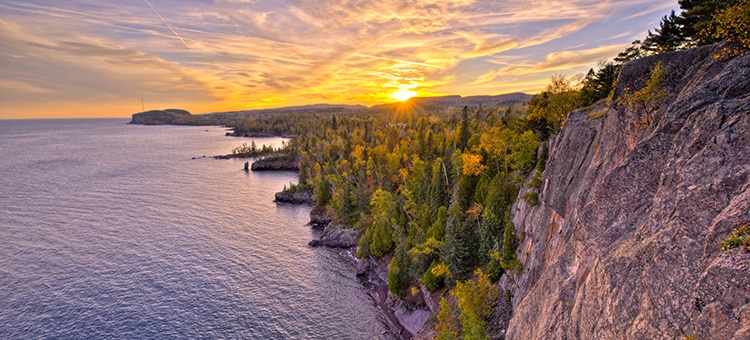
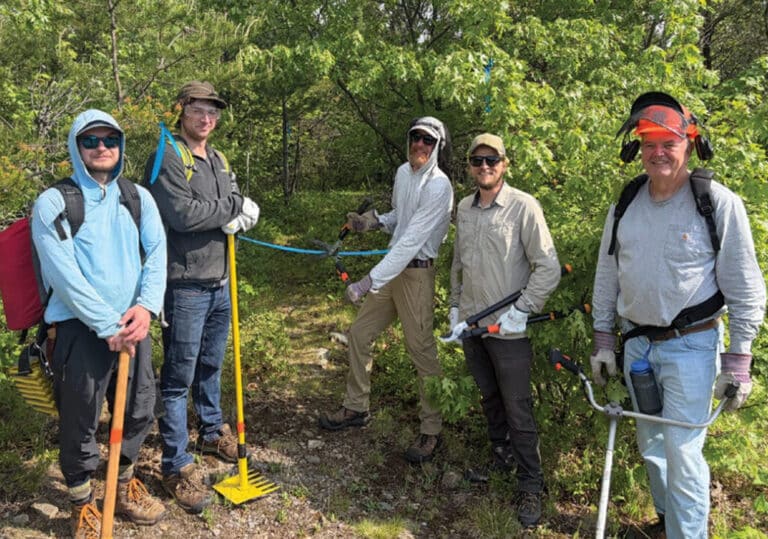
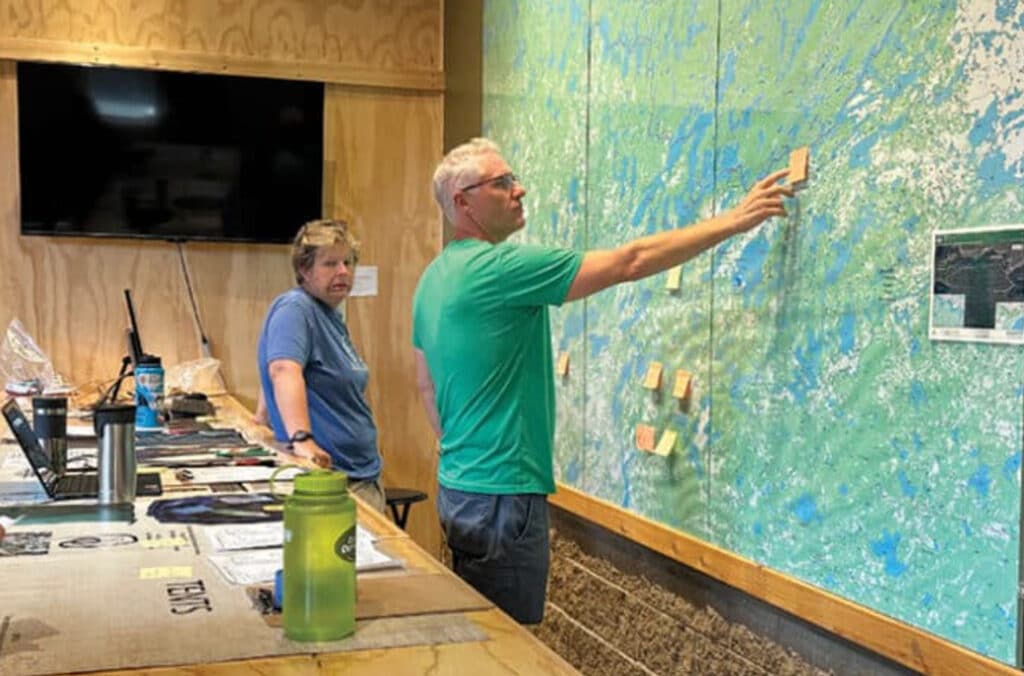
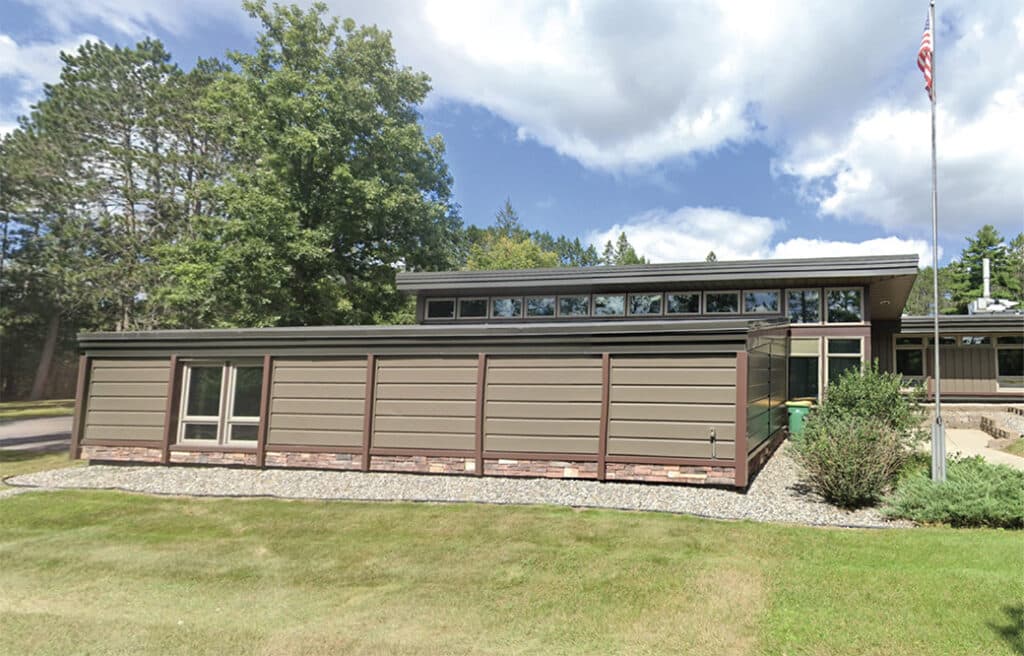
A conservation easement created in partnership between Wolf Ridge Environmental Learning Center and The Nature Conservancy now protects 928 acres of forested land forever. The center offers camps and activities to help people learn about forest ecology, sustainability, and land stewardship.

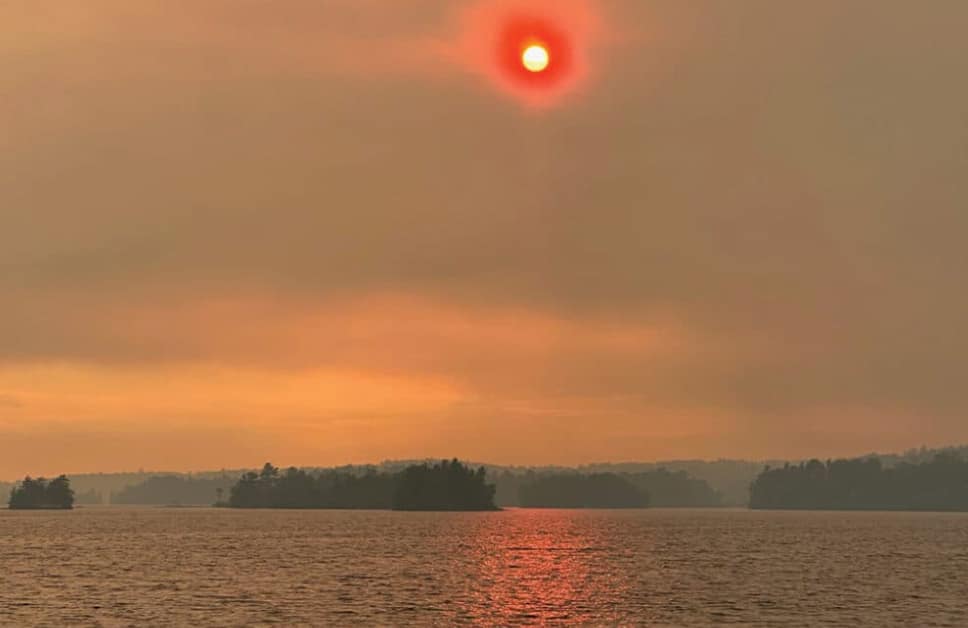
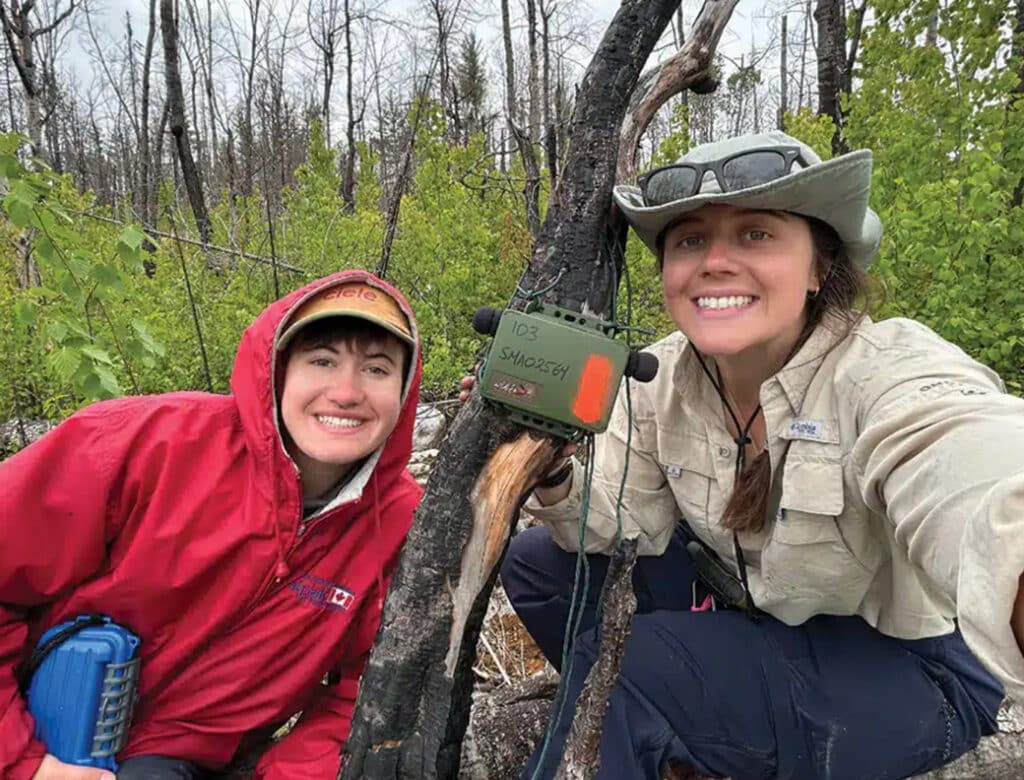
Three wildfires spark in the Boundary Waters after lightning storm

Three new wildfires ignited in the BWCA due to storms that passed through the area on Thursday, June 4. The Superior National Forest said that crews have been working on management and suppression techniques. The wilderness campfire ban will remain in effect through June 30.

Forest service staff conducts prescribed burn in MN

Prescribed burns planned for the Superior National Forest

Each spring, the Forest Service plans prescribed burns throughout the Superior National Forest. The work is expected to begin this month and, depending on conditions, will go through June. This is done annually to help safeguard communities from wildfires and reduce fuel loads. See which areas are scheduled for burning.

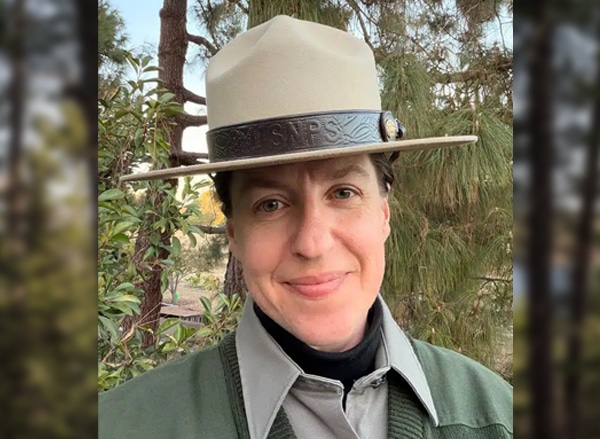
US Forest Service HQ building in Washington DC

What the Forest Service move to Utah means for Superior National Forest

The U.S. Forest Service recently announced that it will move its headquarters to Salt Lake City, Utah. The move is part of a broader restructuring of the agency. Closer to home, two research and development facilities in Ely and Grand Rapids are slated for closure. We reached out to the Superior National Forest to learn what this may mean for the national forest.

A rare glimpse: Lynx kittens caught on camera in Voyageurs National Park

For decades, wildlife biologists assumed that because the snowshoe hare population was down in Voyageurs National Park, it was unlikely any lynx were reproducing in the area, until now. In trail cam footage, researchers spotted two lynx kittens being trailed by their mother. This sighting is encouraging as it means that the rarely seen animals are finding prey in the southernmost areas of their range. 

PFAS in Lake Superior: new fish data sheds light on long-term trends

A recent analysis of lake trout and walleye from the EPA’s Duluth laboratory reveals a rare environmental bright spot: PFAS levels in Great Lakes fish have declined significantly since the late 2000s. While Lake Superior can take almost two centuries to ‘flush,’ this study suggests the biological food web is responding much faster to industrial phase-outs than previously thought.

Everything you need to know about the new BWCA food storage order

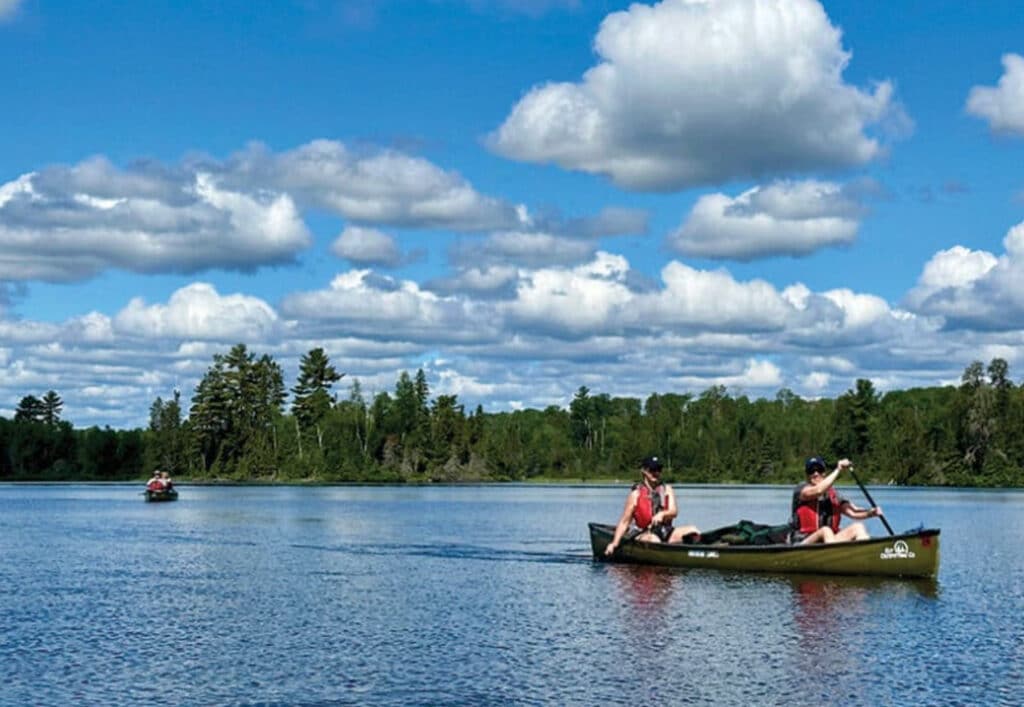
The USFS has updated the regulations concerning food storage in the Boundary Waters Canoe Area Wilderness. Hanging items in a tree or using approved bear-resistant containers has been a part of the regulations and rules, and now violations can bring penalties. Learn how to hang a food pack from a tree and travel safely through bear habitat.