


The University of Minnesota recently reached an agreement in principle to return the Cloquet Forestry Center’s land holdings to the Fond du Lac Band of Lake Superior Chippewa in northern Minnesota. The state of Minnesota still owns some of the property, which means the legislature must approve the transfer to fully complete it. If finalized, Fond du Lac will own all 3,400 acres, but the Forestry Center will continue to provide education and research in collaboration with the Band.
Overseen by the University of Minnesota, the Cloquet Forestry Center (CFC) is located about three miles west of Cloquet. The Center hosts classes, research, and outreach, and it remains the only University-owned property situated entirely within a tribal reservation. For several years, the University has worked with the Fond du Lac on a plan to transfer roughly 3,400 acres back to the Band.
The state of Minnesota owns about 400 acres of the property. Lawmakers introduced a bill in 2024 to transfer that portion to the University so the full return could proceed. The bill passed several committees but stalled at the end of the session after the legislature failed to pass a significant capital investment package.
Despite that setback, the broader effort continues to move forward. The University reached an agreement in principle (which is not the final legal transfer) in August to return all landholdings to the Tribe upon receipt of the necessary state approvals.


Reclaiming Tribal land
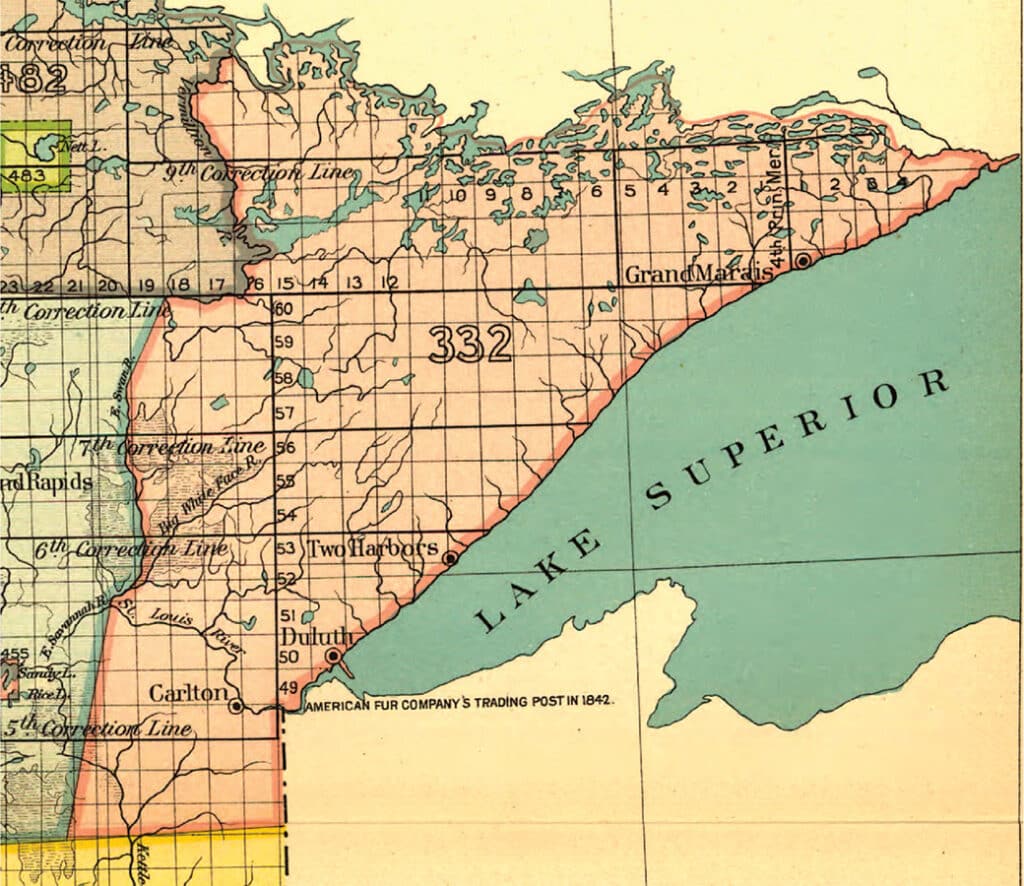
The Fond du Lac Reservation dates to the 1854 Treaty of La Pointe, through which the Band ceded millions of acres to the federal government. Tribal leaders have emphasized the power imbalances within that treaty-making process. Senior Advisor to the President on Native American Affairs Karen Diver told The Minnesota Daily, “That was treaty-reserved homelands. They could’ve picked somewhere else, but they didn’t. It was because they could, and because Congress has that power.”
The Dawes Act of 1887 further diminished tribal landholdings by dividing property into individual family allotments. The government sold the remaining ‘unallotted’ lands as excess to non-Native settlers and lumber companies. These actions drove the loss of more than 90 million acres of tribal land nationwide. At Fond du Lac, timber companies acquired these surplus lands and logged them. In 1909, the federal government conveyed roughly 2,000 of those acres to the University of Minnesota. The university continued purchasing land from the Band until 2003.
Associate Professor of Forest Resources Michael Dockry told the Daily that allotment policies operated as a way to seize Indigenous homelands. “It’s their land. It’s within the reservation, and reservations were established to be homelands for tribal peoples after they ceded millions of acres of land that they were told would always be theirs,” he said. “Processes like allotment took that land away from them.”

Strengthening relationships and collaboration
Discussions between groups about land transfer began in 2019. In recent years, the University has worked to strengthen its relationship with the Fond du Lac Band. Collaborative land stewardship, which includes recognizing the benefits of Indigenous burning practices, has helped rebuild trust and deepen partnerships.
Both parties will continue to work with lawmakers to include the proposal in the next capital investment package. A document of FAQs put out by the University states that, “legislative action to pass the appropriate bill language, and the Governor signing that language into law, would position the University to proceed with returning all 3,400 acres of land.” If the transfer is approved, the University will continue operating a variety of forest management projects in collaboration with the Band.

More info:
- Collaboration with the Fond du Lac Band continues as deal to return land inches forward – University of Minnesota
- Background on intentions for Cloquet Forestry Center – University of Minnesota
- Frequently asked questions on intentions for Cloquet Forestry Center -University of Minnesota
- Collaboration with the Fond du Lac Band continues as deal to return land inches forward – The Minnesota Daily
- Nah-gah-chi-wa-nong / Fond du Lac Band of Lake Superior Chippewa – Minnesota Indian Affairs Council
- Treaty of La Pointe, 1854 – Minnesota History Center
- Dawes Act (1887) – National Archives