MN DNR Concerned by Aggressive Bears
The Minnesota Department of Natural Resources is urging caution over recent incidents of aggressive or threatening behavior by black bears in the Ely area.


The Minnesota Department of Natural Resources is urging caution over recent incidents of aggressive or threatening behavior by black bears in the Ely area.
A major, mutli-year study to determine the impact of the Gulf of Mexico oil spill on Minnesota’s loon and pelican populations is underway, the Minnesota Department of Natural Resources announced yesterday.
Moose populations on the Canadian side of the Quetico-Superior region’s international boundary are also showing long-term declines according to aerial surveys by the Ontario Ministry of Natural Resources.
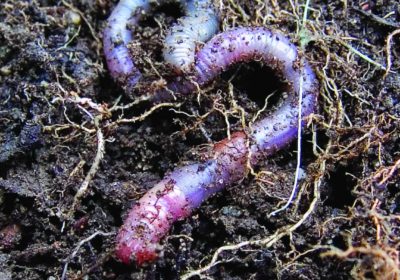
In July, University of Minnesota forest ecologist Lee Frelich and Doug and Peggy Wallace, coordinators of a citizen’s monitoring group, bushwhacked up a ridge in the Wolf Lake inventoried roadless area …
The Minnesota Department of Natural Resources released its Moose Research and Management Plan yesterday, in hopes of maintaining the animal’s presence in Minnesota.
An increase in the severity of weather in the Quetico and Atitkokan region is likely to change the area’s forests, researchers say.
Voyageurs National Park is seeking participants for a two-day event September 9 and 10 to help Minnesota’s only National Park with conservation and maintenance work called the Volunteer Rendezvous.
Voyageurs National Park officials are partnering with the Minnesota Department of Health this summer to collect data on deer ticks. Deer ticks are known to carry pathogens for Lyme Disease and other maladies.
The U.S. Fish and Wildlife Service announced yesterday that bats stricken with white nose syndrome may warrant federal protection as threatened or endangered species. One of the species, the northern long-eared bat, is a northeastern Minnesota resident.
Northern Minnesota’s population of ruffed grouse remains high according to recent drumming counts conducted by Minnesota’s Department of Natural Resource.
Superior National Forest officials will pay citizens to collect native jack pine cones to replenish seed banks used in reforestation efforts.
Minnesotans are being asked to gather dead loons to help biologists learn the bird’s main causes of death in a statewide study sponsored by the state’s Department of Natural Resources.
With the ice now out on most Quetico-Superior area lakes, experts are wondering if the region’s common loon population will have been impacted last year’s Gulf of Mexico Oil spill.
Voyageurs National Park ecologist Steve Windels will offer insights into research on Lake Sturgeon at the Voyageurs National Park Association members and friends event on April 19 in Minneapolis.
The northeastern Minnesota deer herd is showing the impact of a harsh winter, according to Department of Natural Resources officialswho are finding dead deer around the region.
A disease responsible for the death of more than a million North American bats is a cause of concern for managers of Soudan Mine Mine State Park in northeastern Minnesota.
The number of moose in northeastern Minnesota continues to fall, according to aerial survey results released by the Minnesota Department of Natural Resources. The current population is now estimated at 4900 animals, down from the 5500 estimated last year.
Cold temperatures and deep snow are beginning to have an impact on northern Minnesota’s deer herd, according to Minnesota Department of Natural Resources observations.
In an on-going effort to understand the reasons behind decline in Minnesota’s moose population, a study using global positioning system technology to track the massive ungulates in underway.
Nineteen adult moose will be captured and fitted with telemetry collars this month as part of a continuing project to investigate the potential effects of climate change and other factors on the long-term viability of moose in Voyageurs National Park.