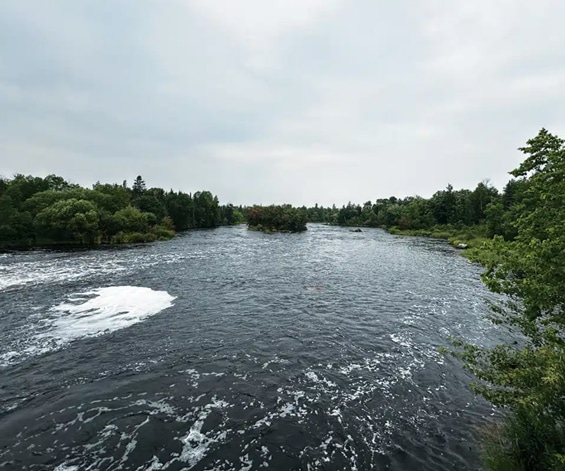
Officials lay more groundwork to reinstate mineral leases near BWCAW despite opposition
Legislation introduced in Congress would reinstate Twin Metals Minnesota’s federal mineral leases and reverse the 20-year mining moratorium near the BWCAW.

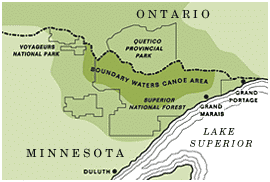
Legislation introduced in Congress would reinstate Twin Metals Minnesota’s federal mineral leases and reverse the 20-year mining moratorium near the BWCAW.
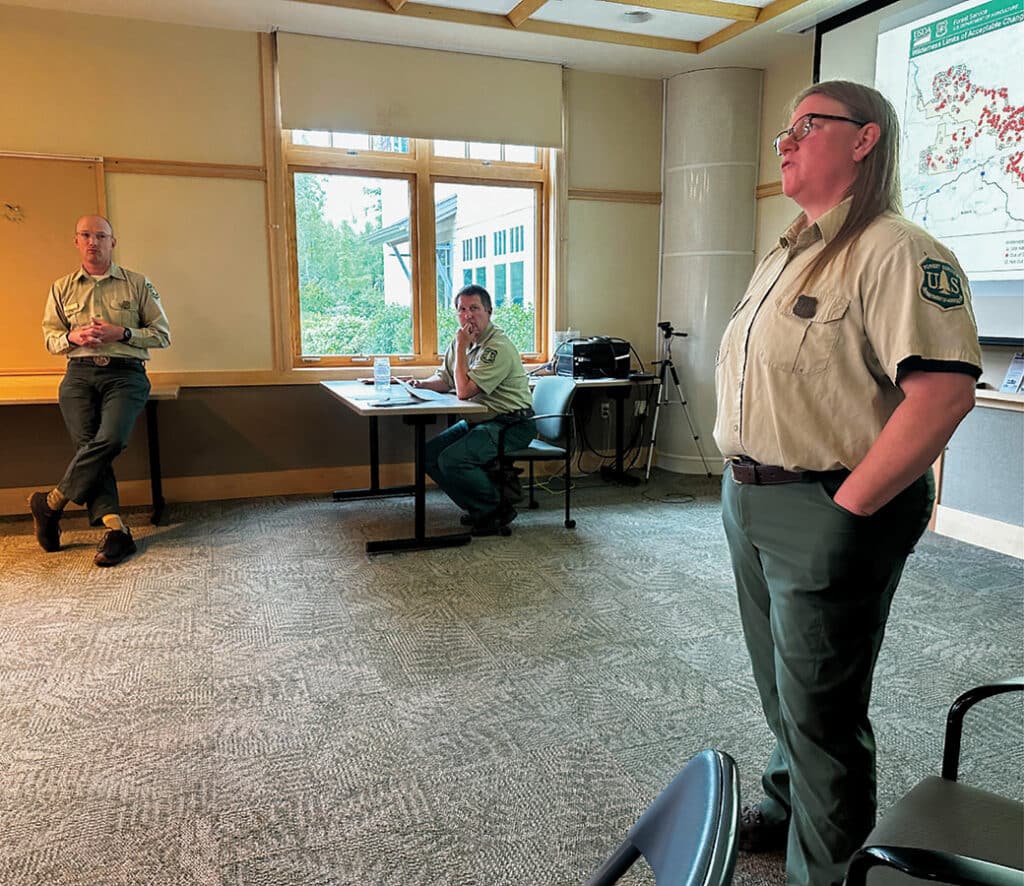
The USFS has proposed increasing BWCAW recreation fees. Members of the public weighed in at an open house at the Kawishiwi Ranger Station.
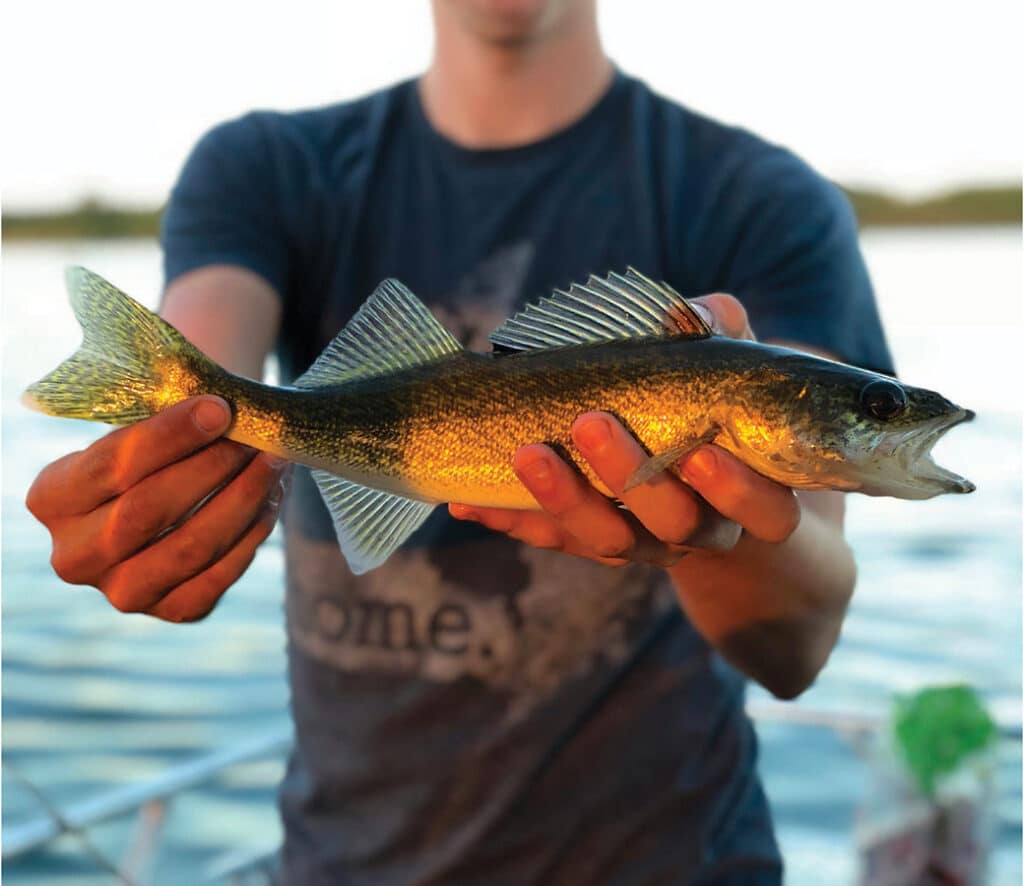
The Minnesota DNR is looking for public comment on the possibility of reducing walleye limits in the state. They attribute this to changes in environmental and ecological conditions, combined with advancements in fishing methods. If the bag limit changes, the walleye possession would decrease from six to four fish.
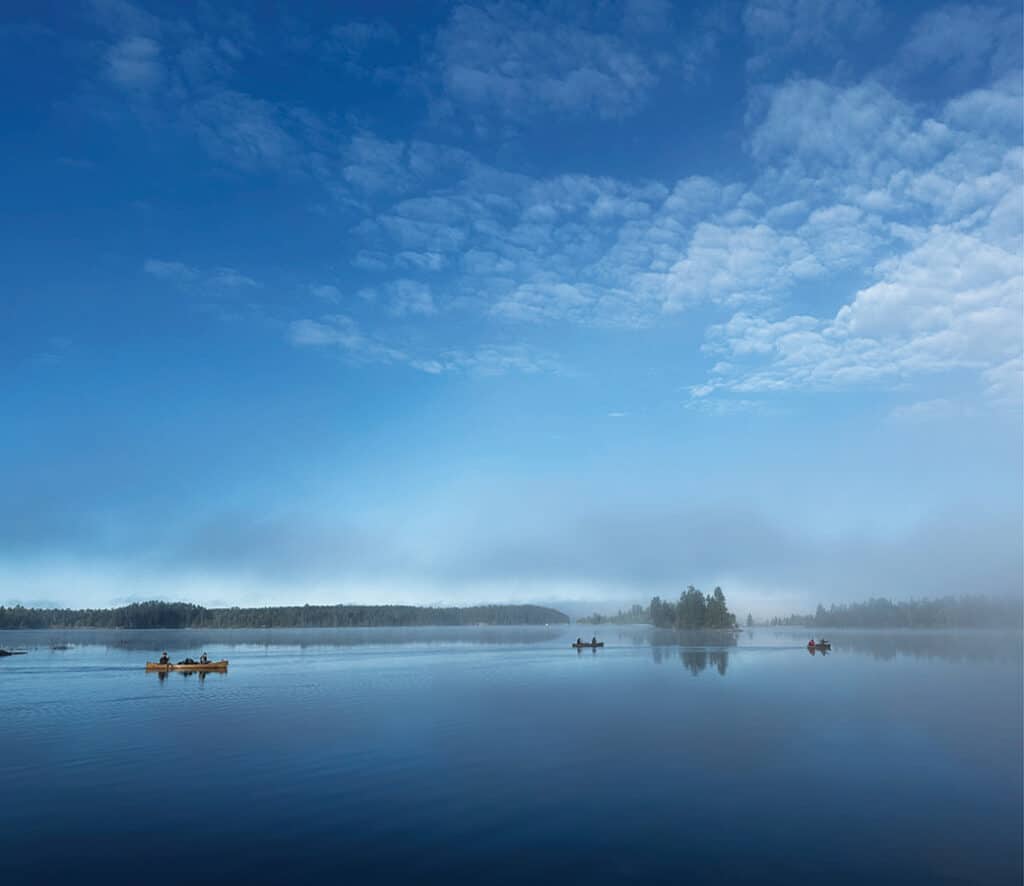
June 11 Update: In a win for wilderness and conservation efforts, Congress is set to remove Section 80131 from the draft budget bill. This section would have directed officials to move forward with reinstating copper-nickel mining leases near the Boundary Waters Canoe Area Wilderness.
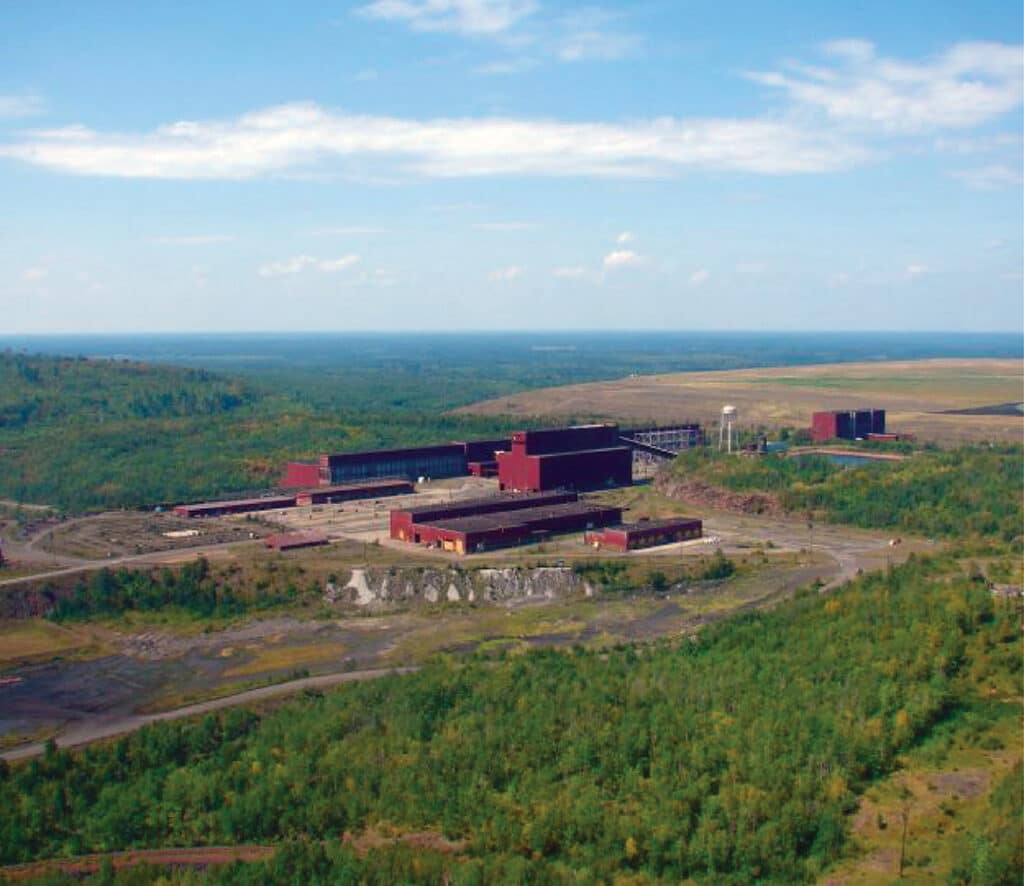
President Trump recently signed an executive order directing federal agencies to accelerate domestic mineral production in northern MN, including the proposed NorthMet mine. Advocacy groups criticize the effort, saying the current administration is ignoring science.
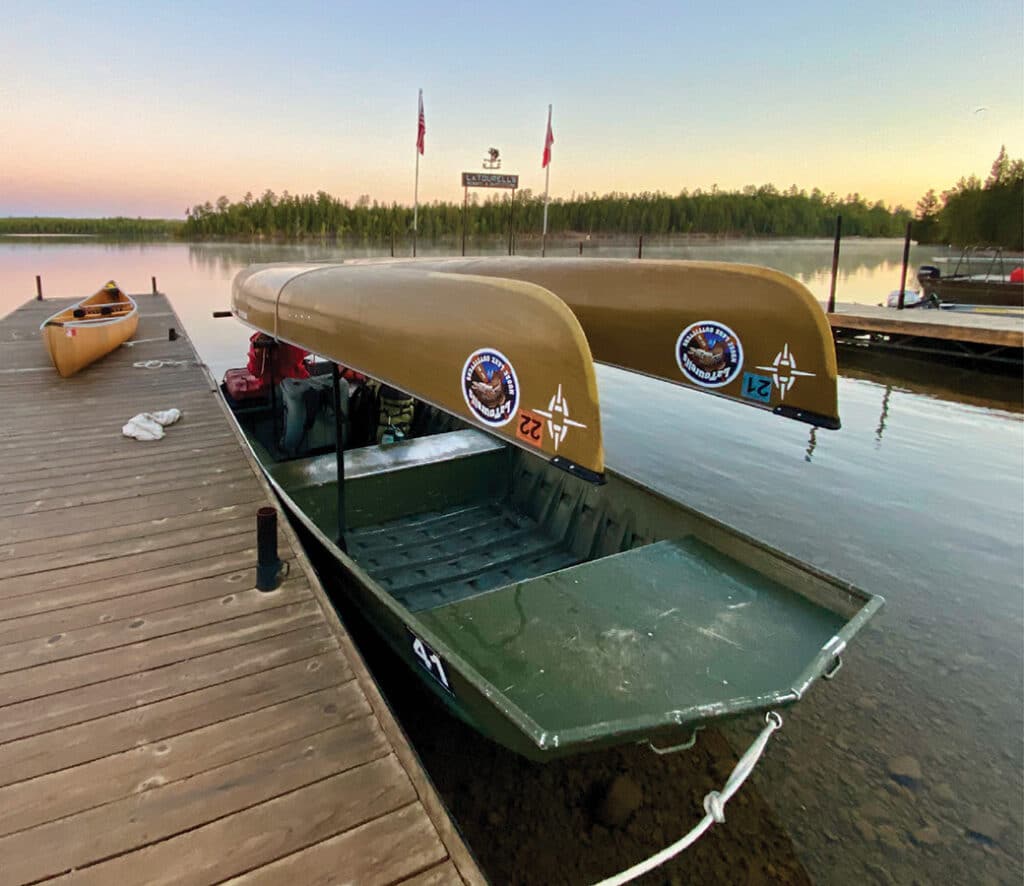
Wilderness Watch, an advocacy group for the National Wilderness Preservation System, recently filed another lawsuit against the U.S. Forest Service—Superior National Forest—regarding towboat management in the BWCAW. In an ongoing dispute, they claim that the agency failed to enforce towboat rules and regulations in the wilderness.
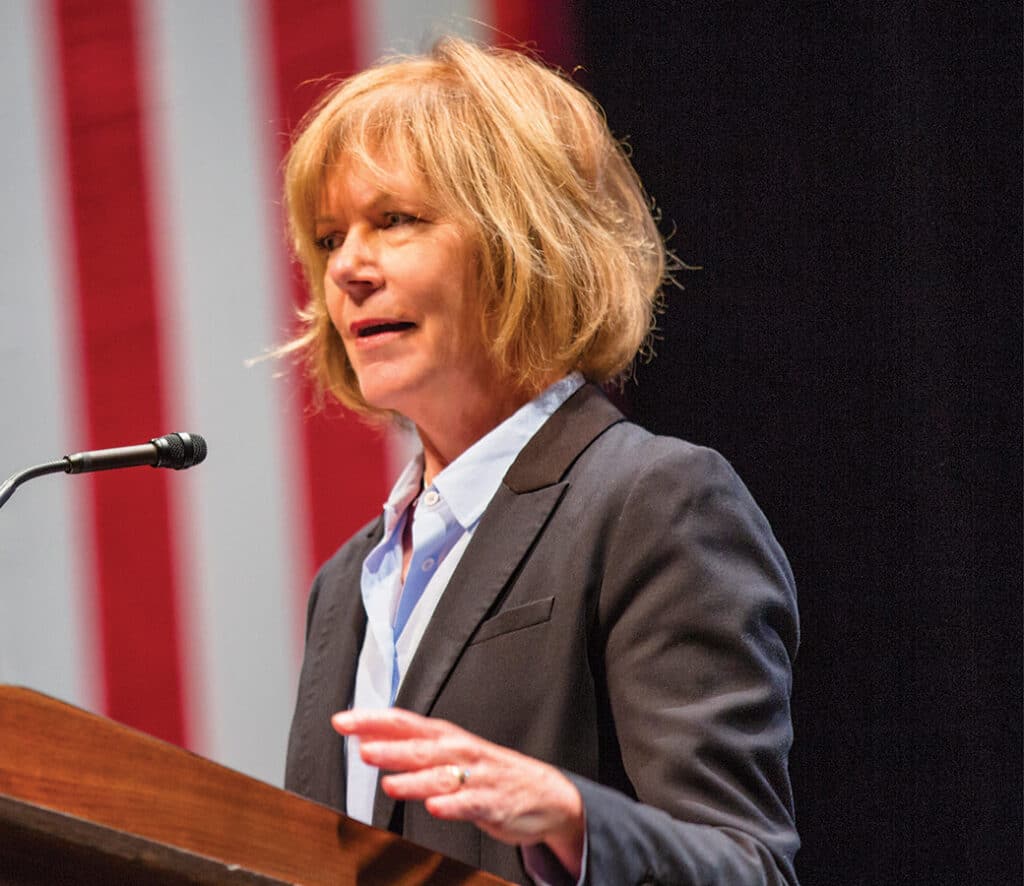
Earlier this week, Minnesota Senator Tina Smith introduced the Boundary Waters Wilderness Protection Act, a bill that would permanently safeguard the BWCAW. If passed, it would mark a major victory for those fighting to block sulfide-ore copper mining near the wilderness in northern Minnesota.

President Trump recently signed an executive order aimed at increasing mineral production within the United States, focusing on minerals such as copper-nickel. Though the order does not specifically target regions, it could impact areas near the BWCAW, potentially challenging land protections established by the previous administration.
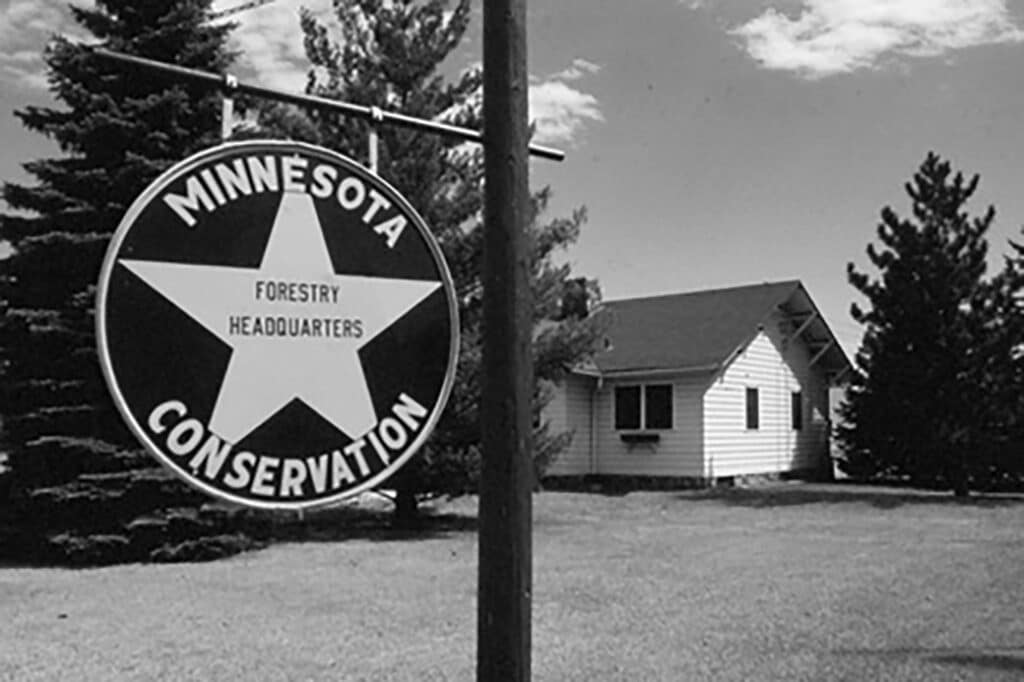
For Women’s History Month, we’re spotlighting women conservationists and environmental stewards who have contributed to preserving forests, wilderness areas, and cultural history in Northern Minnesota. Their efforts and activism helped shape the modern conservation movement and led the way for sustainable practices.
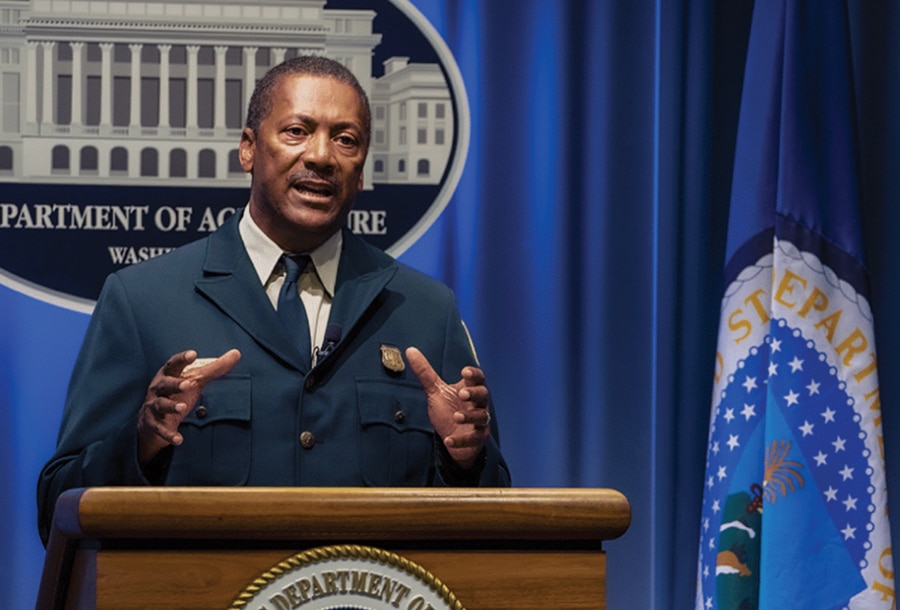
Chief Randy Moore, who announced his retirement as head of the U.S. Forest Service yesterday, previously worked on the Land and Resource Management Plan for the Superior National Forest. He is stepping down at a time when the agency faces significant budget reductions and job cuts.
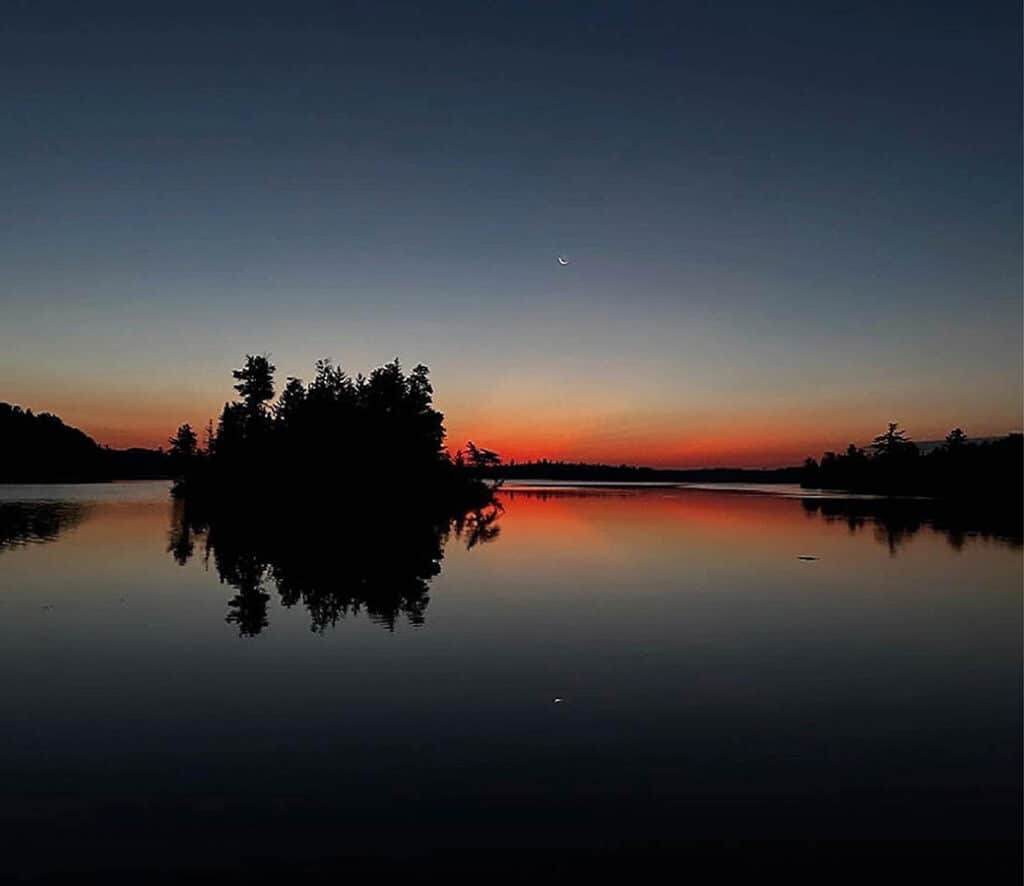
Two bills have been reintroduced to the legislature to address wilderness protection and mining practices near the BWCAW. Supporters of mining highlight its positive impact on local revenue and economic growth. However, opponents continue to advocate for protecting the wilderness and surrounding areas, noting that they contain some of the cleanest waters on Earth.
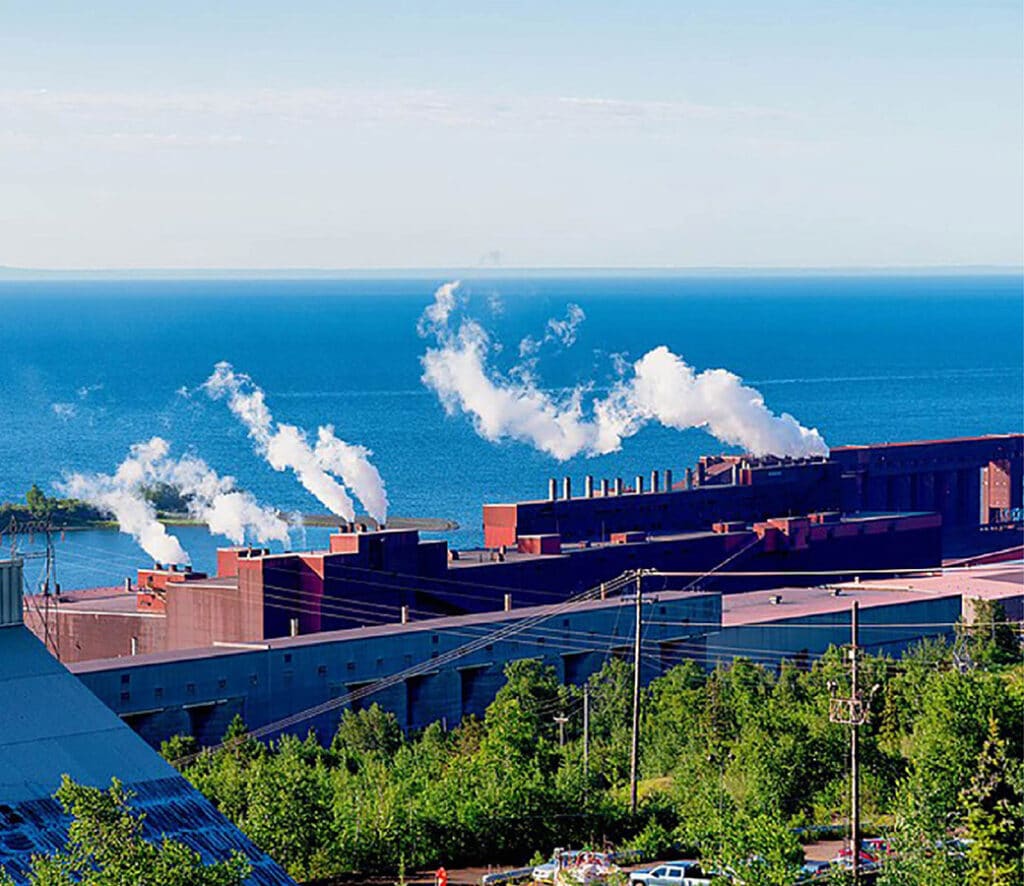
The Minnesota Court of Appeals sided with an environmental group over a mining expansion project along the North Shore. They ruled that the MNDNR must reconsider whether an EIS is necessary for the proposed expansion of the Mile Post 7 tailings pond. Northshore Mining is working to fulfill a permit to expand the basin just 3 miles from Lake Superior.
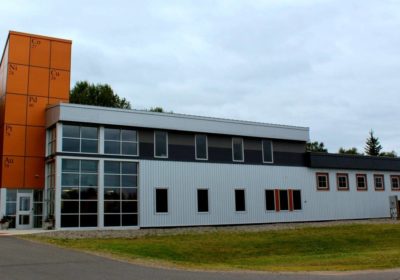
Multiple environmental groups traveled to Washington D.C., recently for the latest appeal by Twin Metals Minnesota. The Chilean-owned mining company has been seeking to reinstate two mineral leases near the BWCAW and other critical watersheds. The company appealed to a panel of judges, aiming to reinstate two preferential rights applications that would allow the company to build a mine south of Ely.
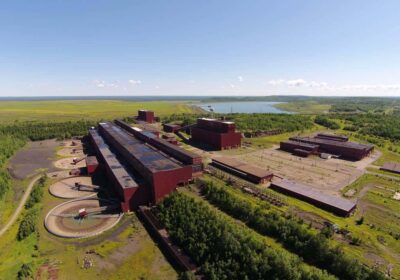
The MN DNR recently announced it will suspend its review of the PolyMet copper-nickel sulfide permit until late next year. “This decision recognizes that PolyMet owes Minnesotans transparency and honesty instead of continuing to waste scarce resources and everyone’s time.” said JT Haines from MCEA.
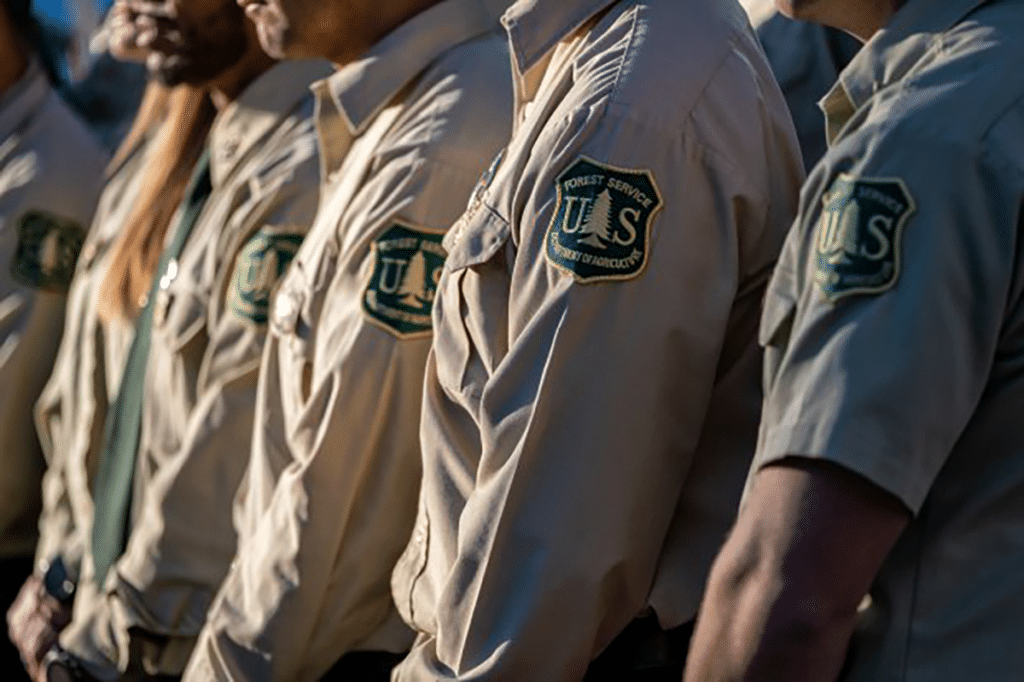
The Forest Service anticipates budget cuts across the entire organization for 2025. The federal agency has requested $8.9 billion in funding but expects to receive significantly less. This reduction could negatively impact the Superior National Forest and Boundary Waters Canoe Area Wilderness. As a result, visitors should prepare for potential changes.
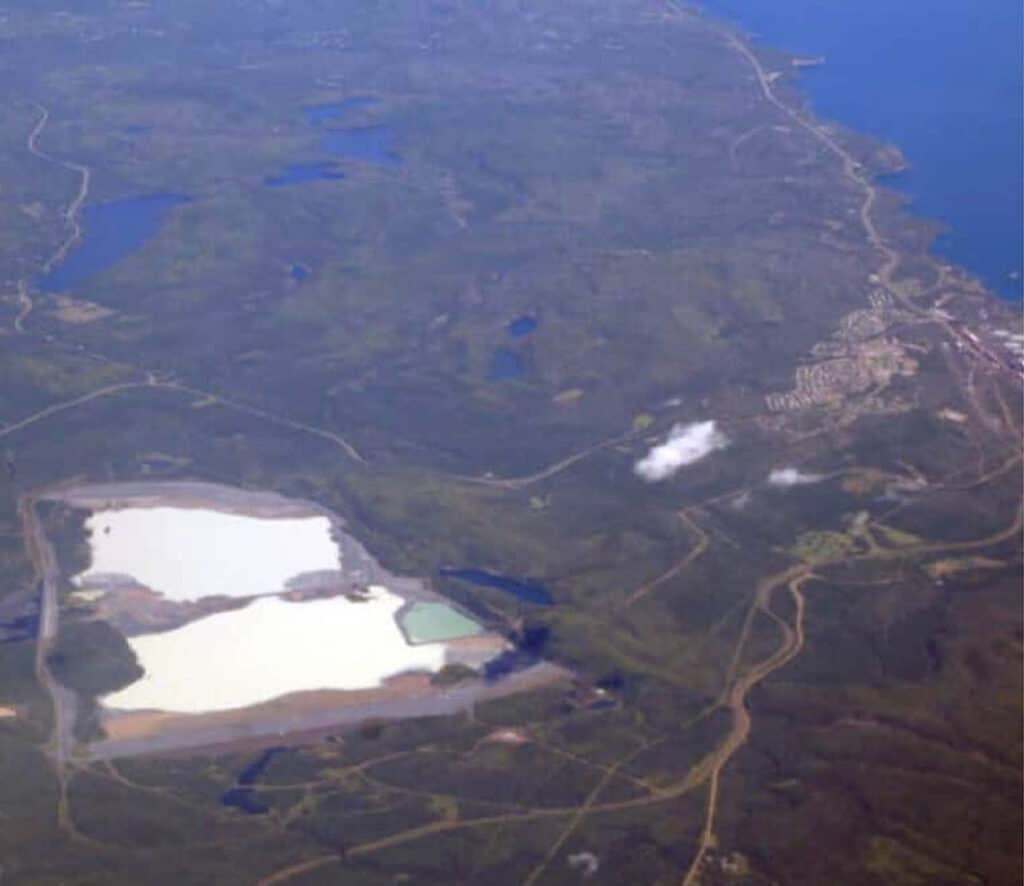
Advocates for clean water warn that a mining project near Lake Superior could harm human health and the environment in the long term.
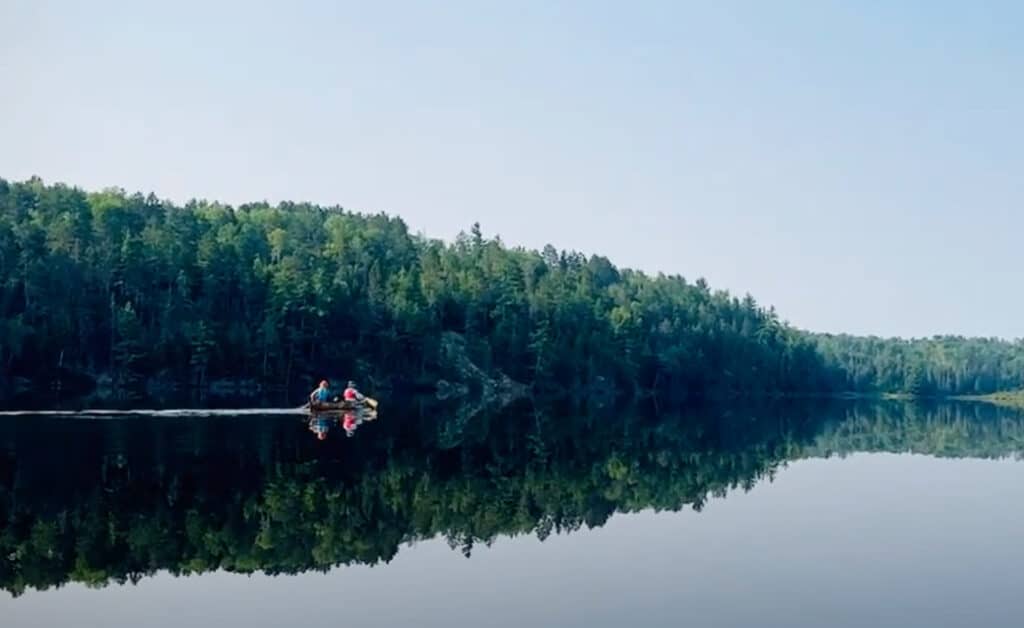
As the election approaches, we look to key politicians’ historical positions on mining and conservation, impacting places like the Boundary Waters Canoe Area Wilderness (BWCAW). Environmental groups urge voters to support lawmakers who advocate for continued protection.
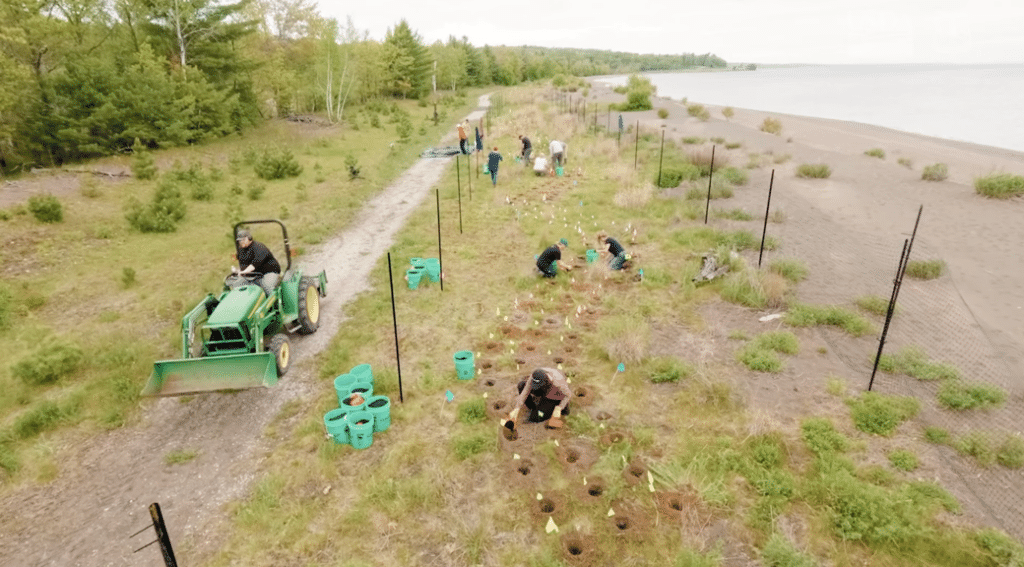
Since 2021, the USFS Northern Research Station’s Mercury Sulfur Initiative Working Group has been studying mercury and sulfur pollution in the Upper Great Lakes region. They will be hosting a webinar series on reducing these harmful chemicals in water and soil. Innovative research includes using trees, plants and microbes to remediate pollution.
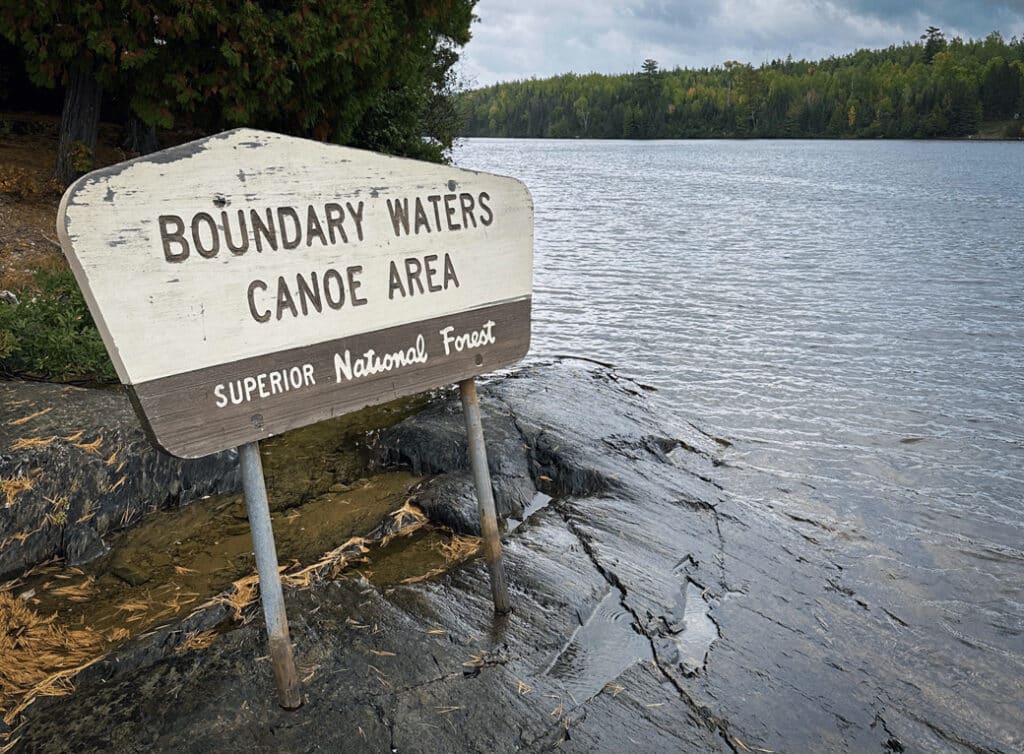
Update: public comment period extended. State and federal agencies are collaborating to transfer 80,000 acres within the BWCAW to the federal government. “School Trust Lands” originally aimed to provide long-term revenue for Minnesota’s public schools, but wilderness protection measures have limited their ability to generate sufficient income. Groups see the move as a win both for wilderness and for public schools.
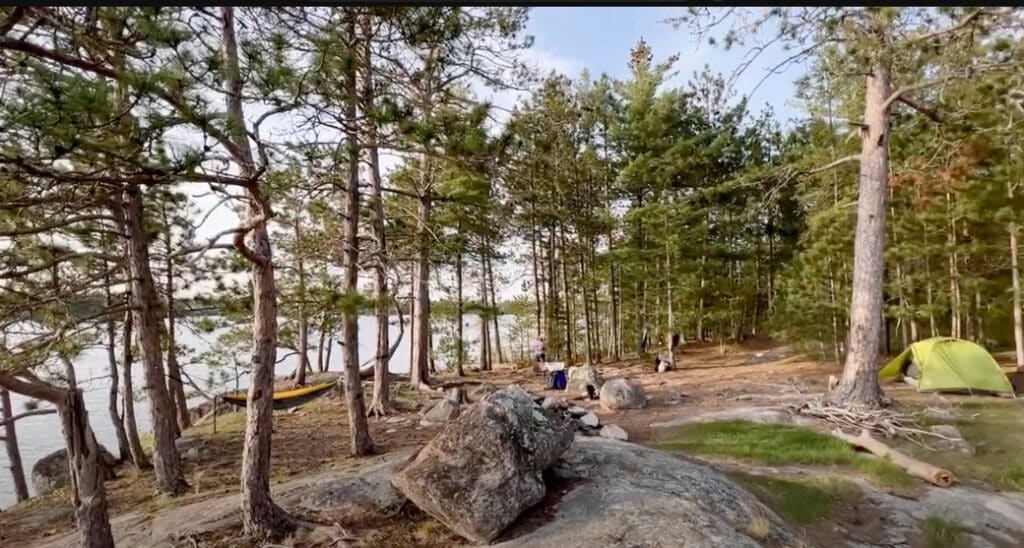
Project 2025, founded by a coalition of conservative organizations, urges the next Republican administration to overturn the 20-year ban on new mineral leasing near the BWCAW. Environmental advocates raise concerns about the risk of pollution and wilderness protection.