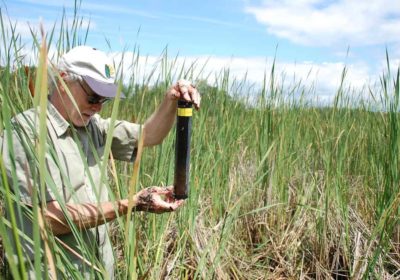
From mercury to manoomin, sulfate causes ecological ripples in Minnesota waters
Common chemical in industrial discharges has far-reaching effects on lakes, rivers, and the plants that live in them.

Common chemical in industrial discharges has far-reaching effects on lakes, rivers, and the plants that live in them.
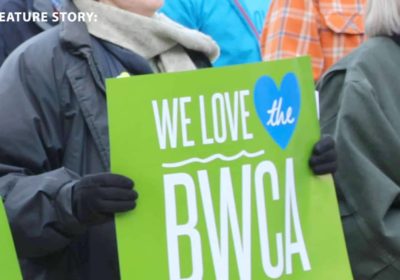
Seventy percent of registered voters oppose mine proposals that threaten to pollute canoe country.
We catch up with Becky Rom, she has been heavily involved in the fight against sulfide-ore copper mining near the Boundary Waters and offered some key insights into the current political landscape.
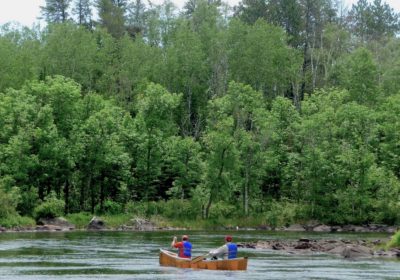
Forest Service scales back analysis of proposed mining moratorium over objections of Boundary Waters advocates.
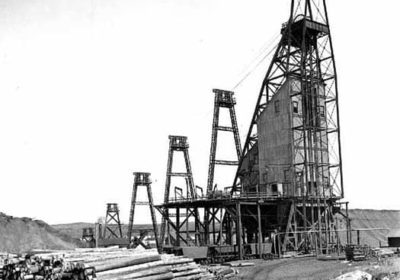
Newspaper reporter remembers formative years in Ely, learning about the conflict over copper-nickel mining near the Boundary Waters.
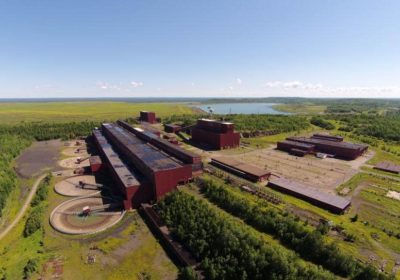
The major milestone is one of the final hurdles before the company can start mining, and initiates a two-month public comment period.
Twin Metals project gets new lease on life after Interior Department lawyer reverses policy and says government must allow access.
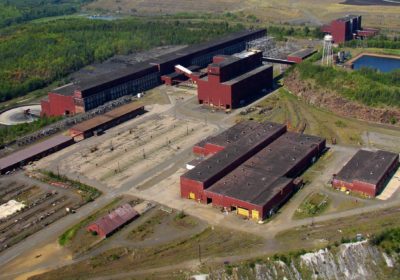
Debate over ‘damage deposit’ ramps up with dueling reclamation estimates.
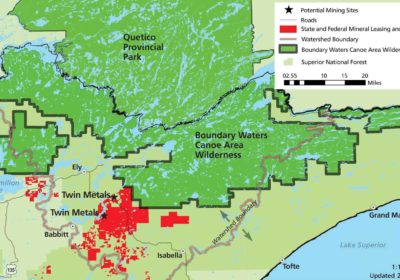
A bill restoring mineral rights near the Boundary Waters squeaked through the House of Representatives last week, but doesn’t yet have a Senate author.
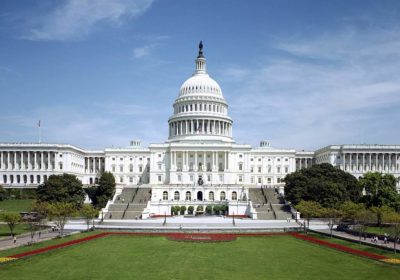
Two bills seeking to speed up the Twin Metals and PolyMet mine proposals are being voted on this week in Washington, D.C.
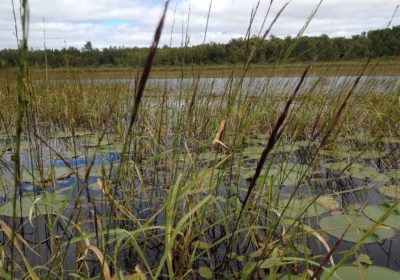
State-sponsored studies sought to improve understanding of the complex ways sulfate harms the iconic plant.
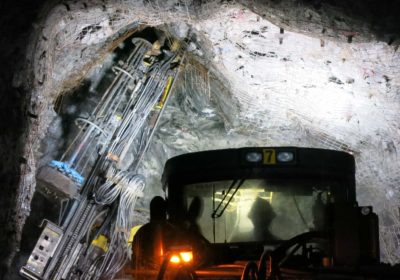
Automation is revolutionizing the mining industry, quickly reducing employment and the potential economic impact of proposals in northern Minnesota.
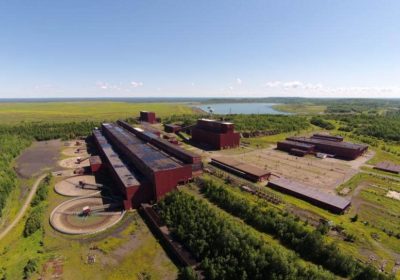
Mark Dayton tells newspaper he believes the economic benefits and environmental risks can be balanced.
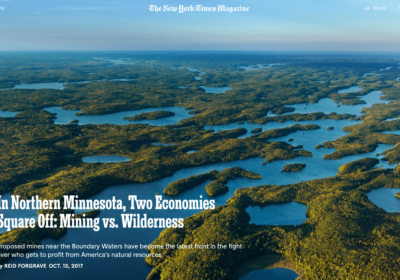
Writer profiles the long-lasting conflict between wilderness proponents and mine workers.
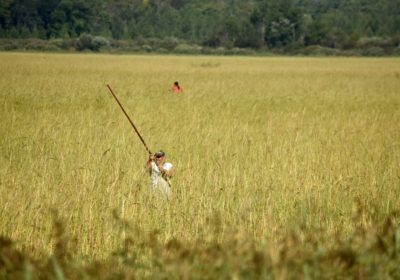
After years of debate, scientists recommend a complex equation to calculate how much sulfate is safe to discharge into waters where wild rice grows.
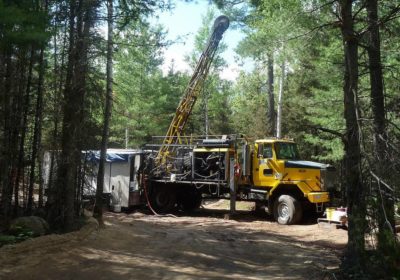
The bipartisan effort was met by bipartisan opposition as Congress wrestled with proposal to withdraw lands in the wilderness watershed from mineral exploration.
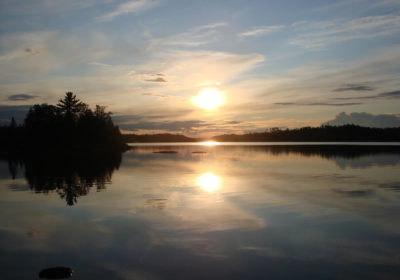
Lifelong statesman and environmentalist argues canoe country is too precious to risk polluting with mine runoff.
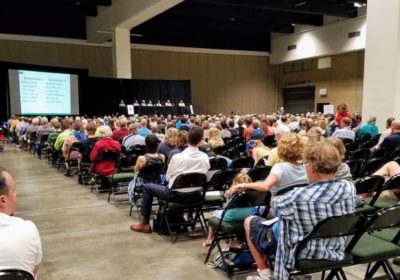
Communications error results in extension of deadline to weigh in on withdrawing public lands from mining next to the wilderness.

Expert says mining company based its cost estimates on faulty assumptions that minimize the risks to taxpayers.
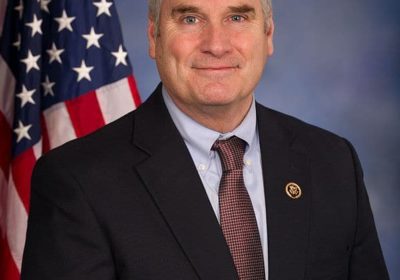
Legislation would reverse Forest Service proposal to block mines upstream of the wilderness.