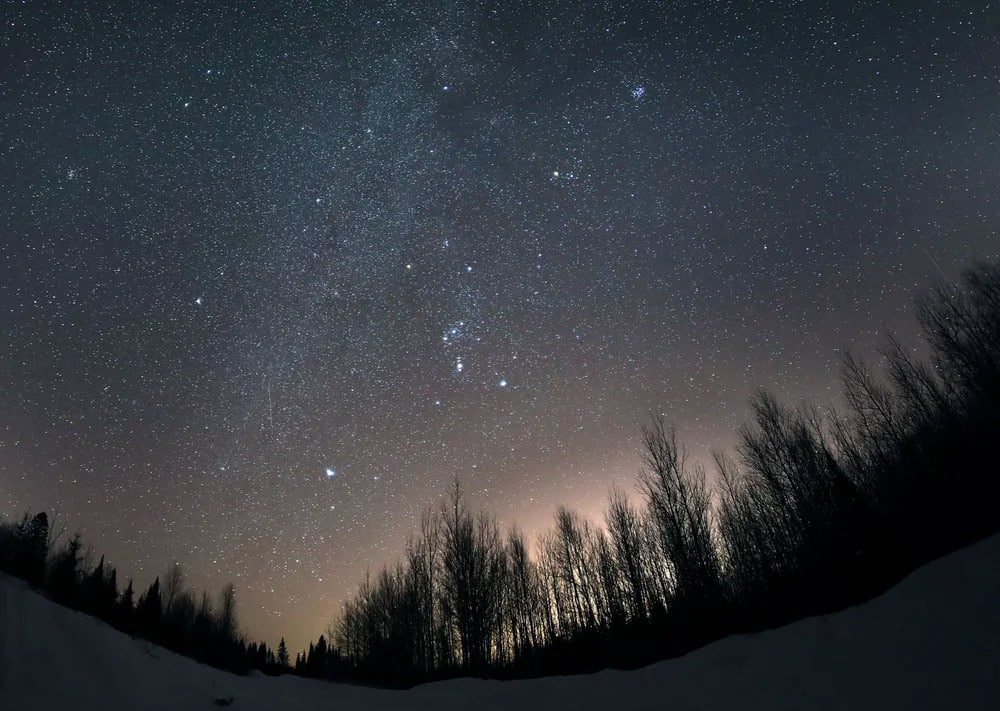
Dark Sky Week emphasizes more stars, less light pollution
Experience Minnesota’s dark skies during International Dark Sky Week, April 13-20. Minnesota is home to two certified dark-sky sanctuaries – the BWCAW and Voyageurs National Park.


Experience Minnesota’s dark skies during International Dark Sky Week, April 13-20. Minnesota is home to two certified dark-sky sanctuaries – the BWCAW and Voyageurs National Park.

It’s no secret that Minnesota has a lot of lakes—the DNR has listed 11,842 of them. Although Lake Superior is the deepest overall, Saganaga Lake in the BWCA ranks as the deepest natural inland lake. Its easy access draws all kinds of adventure-seekers to its cool, clean waters each summer.

Most people think of Quetico as a paddler’s paradise with over 1 million acres to explore. But the land has played an important role in the lives of the Anishinabeg people for thousands of years, as they lived, hunted, and travelled in the region, and continue to do so.
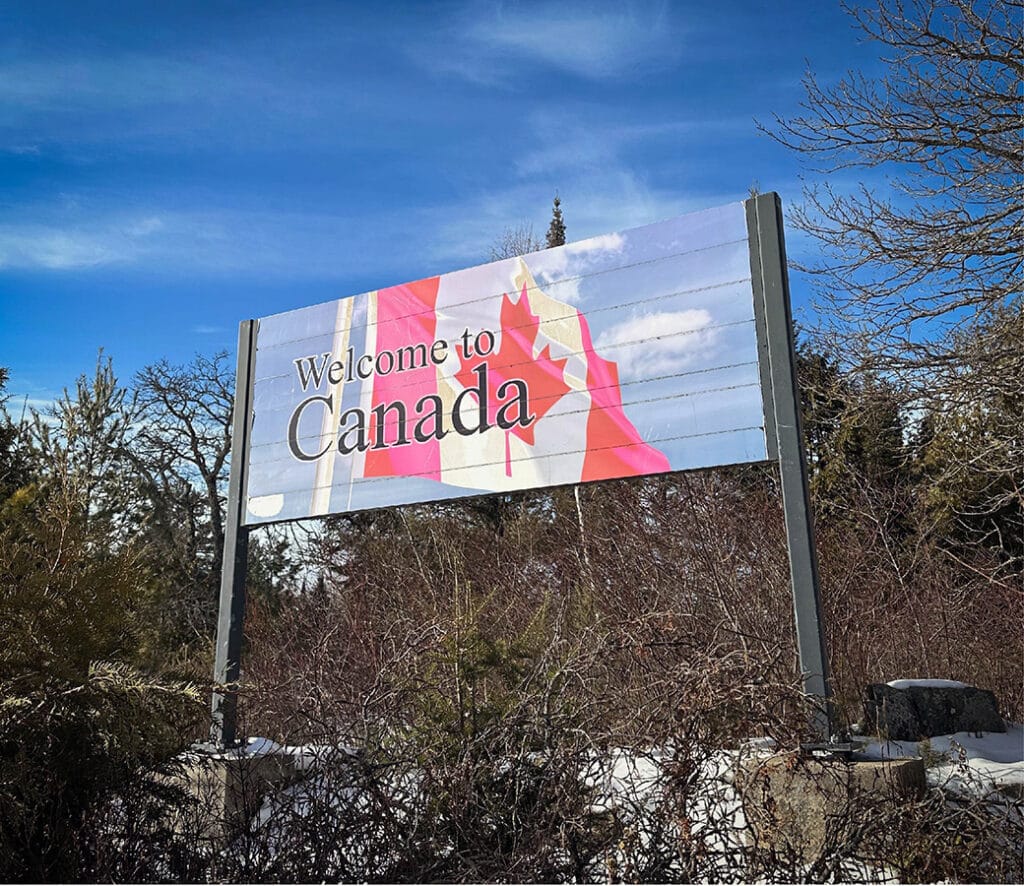
Canadian authorities have provided an update to the Remote Area Border Crossing Permit program (RABC). They announced the introduction of a telephone reporting system in areas previously covered by the RABC program. The new system will begin September 14, 2026. Until then, those who currently have a valid RABC permit can use it until September 13, 2026.
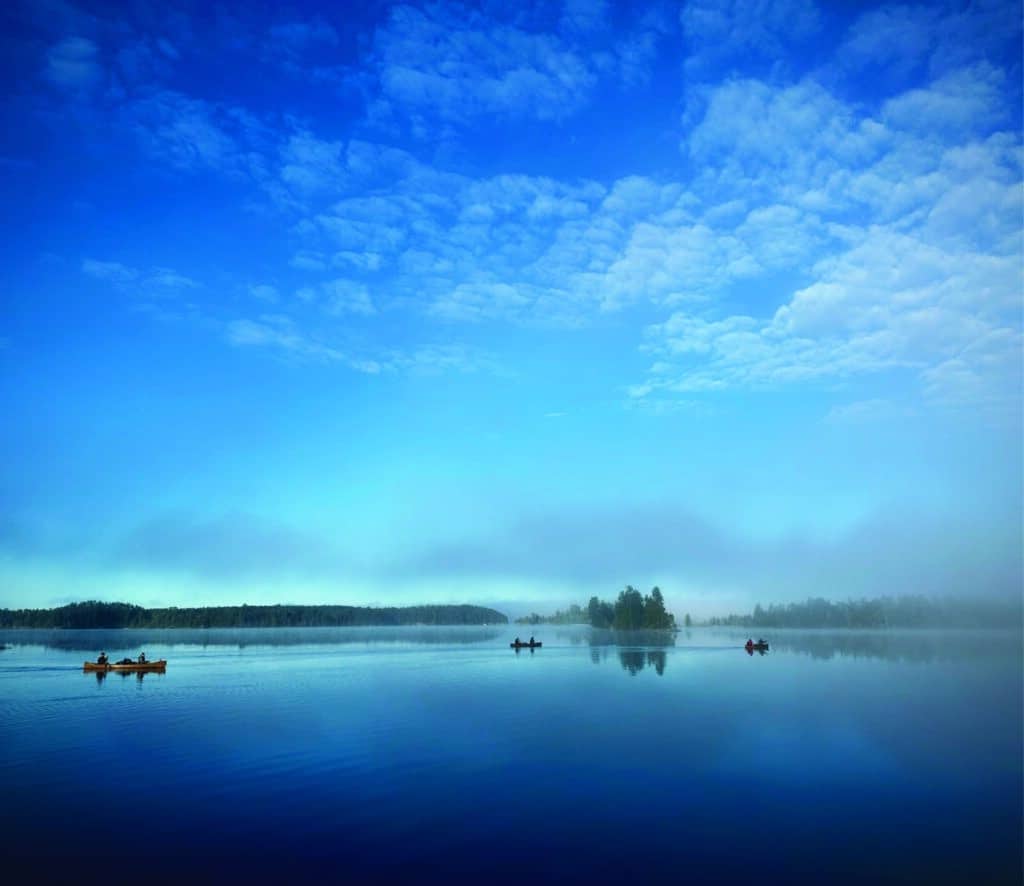
A new bill could permanently alter how the Boundary Waters’ border with Canada is patrolled. Republican Senator Mike Lee of Utah recently introduced the Border Lands Conservation Act, which would allow the federal government to expand border patrol operations using tactical infrastructure and surveillance systems.
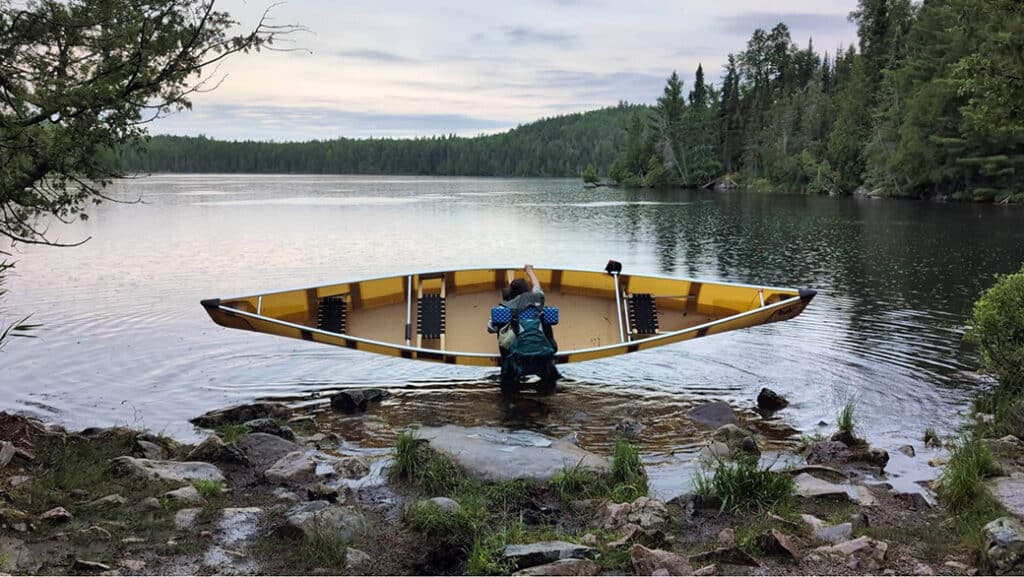
A four-person paddling crew will tackle 1,200 miles of historic routes between Minnesota and Canada. Their journey will take them from Grand Portage on Lake Superior to York Factory on Hudson Bay this summer and is expected to take 85 days. Through their journey, they aim to inspire young women and girls while advocating for gender equality in paddlesports.
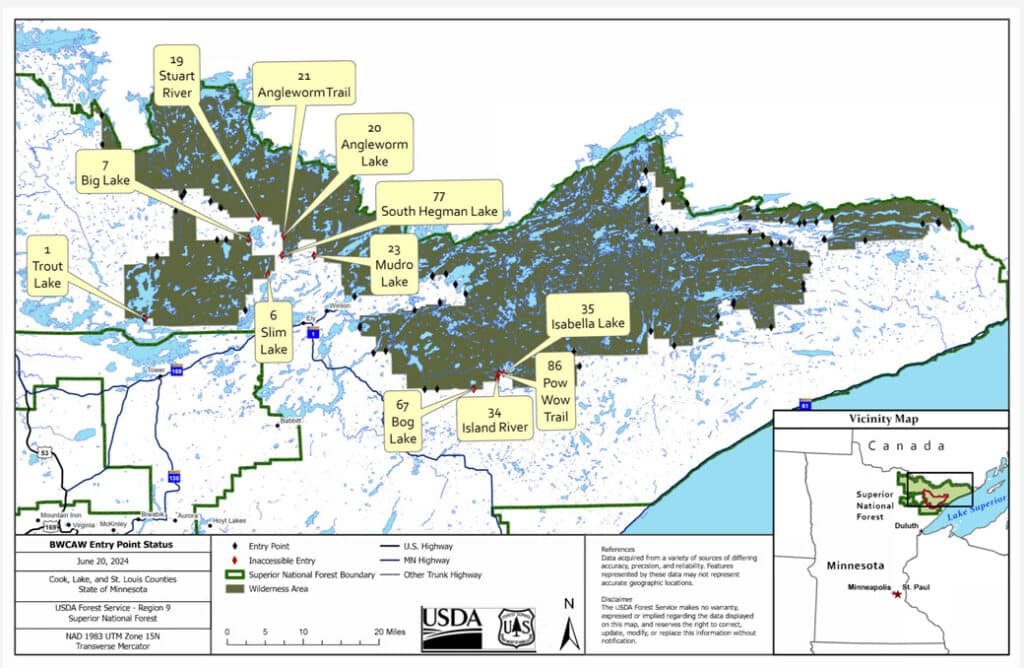
Heavy rainfall from severe thunderstorms caused extensive damage to roads and flooding within the Superior National Forest (SNF), including the Boundary Waters Canoe Area Wilderness (BWCAW). In response, the USFS – Superior National Forest has closed several entry points. As a result, individuals with BWCAW permits reserved through June 22, 2024, are being notified directly of the cancellation and refunded.
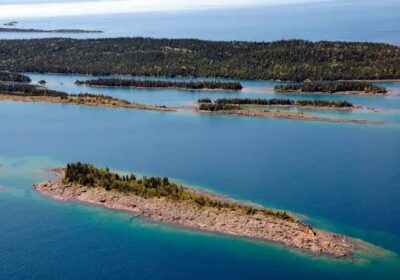
National parks around Lake Superior have executed long-term, sustainable options against carbon emissions. Recently, the National Parks of Lake Superior Foundation (NPLSF), in partnership with the National Park Service (NPS) took bold steps against climate issues. Grand Portage National Monument and Isle Royale National Park are two of the locations implementing changes.
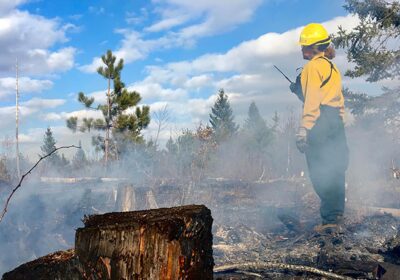
Wildfire is a normal part of healthy ecosystems in the Superior National Forest. However, USFS personnel are warning that this spring could see a higher incidence of wildfires due to low snow cover and precipitation. As a result, they encourage those who live and recreate in the Quetico Superior region to be watchful.
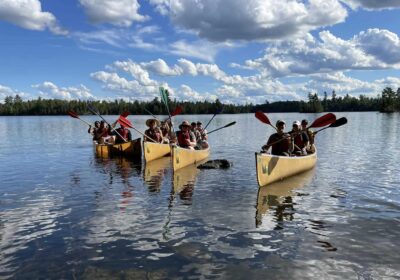
Program based near Ely has helped young people explore and experience canoe country since 1923.
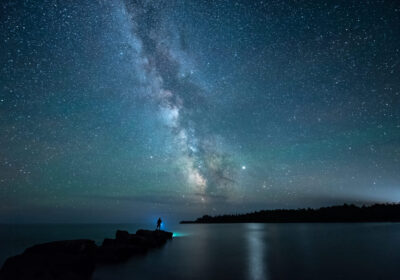
‘Northern Nights, Starry Skies’ features inspiring images, cultural knowledge, and light pollution threats.
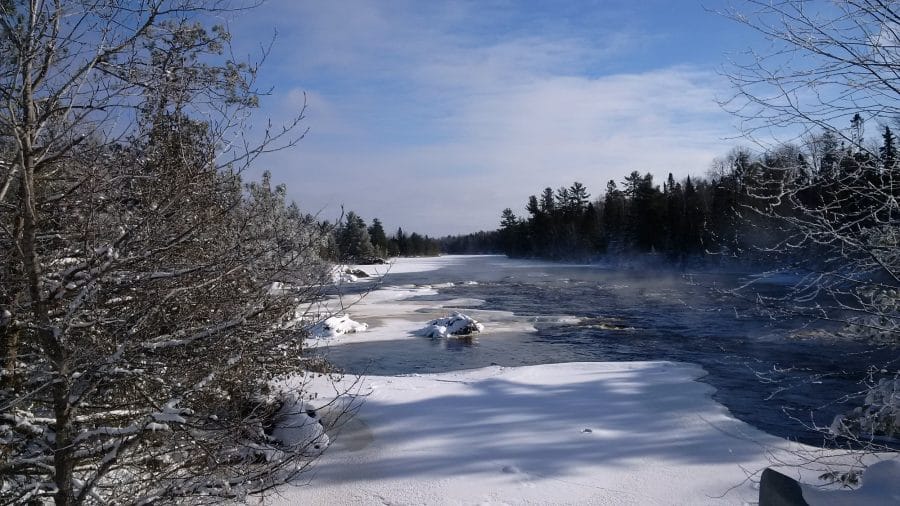
Picture towering pines silhouetted against a dazzling blue sky, and a layer of new snow spilling from the branches. Think Quetico is just for canoeing?
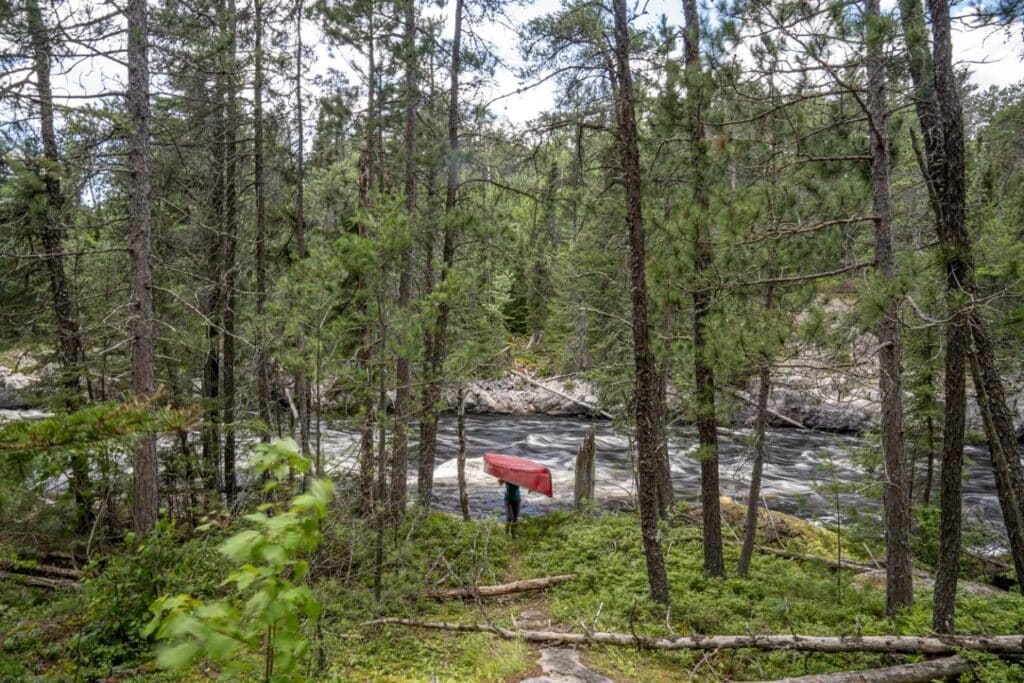
Month-long trip intended to promote and develop paddling part of Canadian cross-country canoe trail.
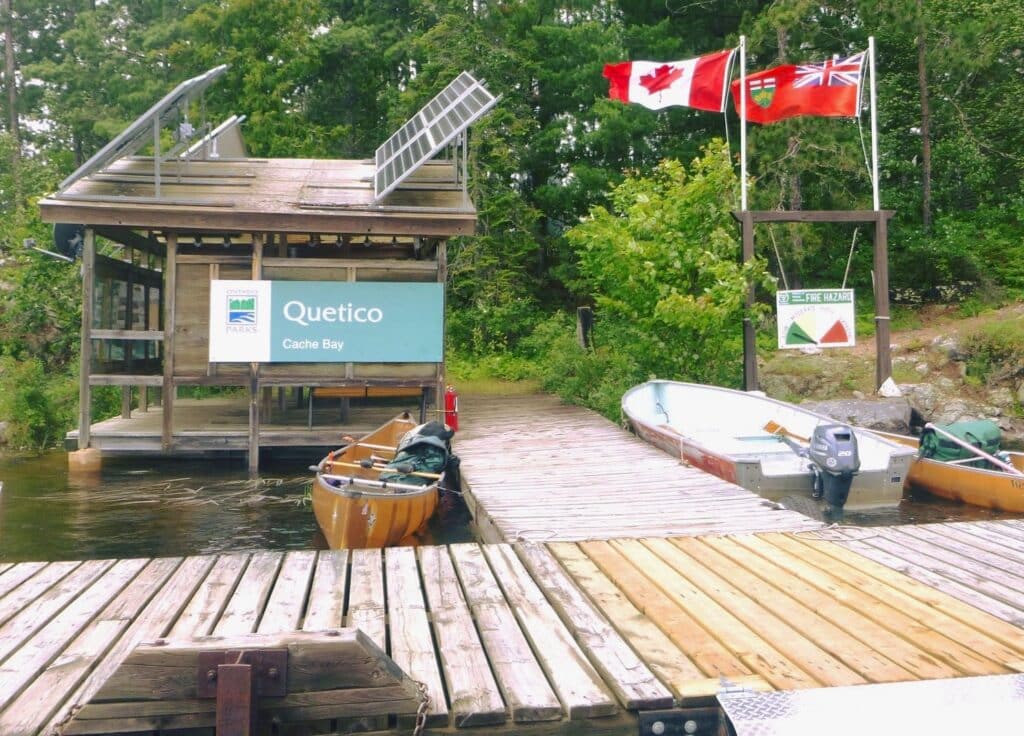
Permits shut down due to pandemic will soon be available again to people paddling between U.S. and Canada.
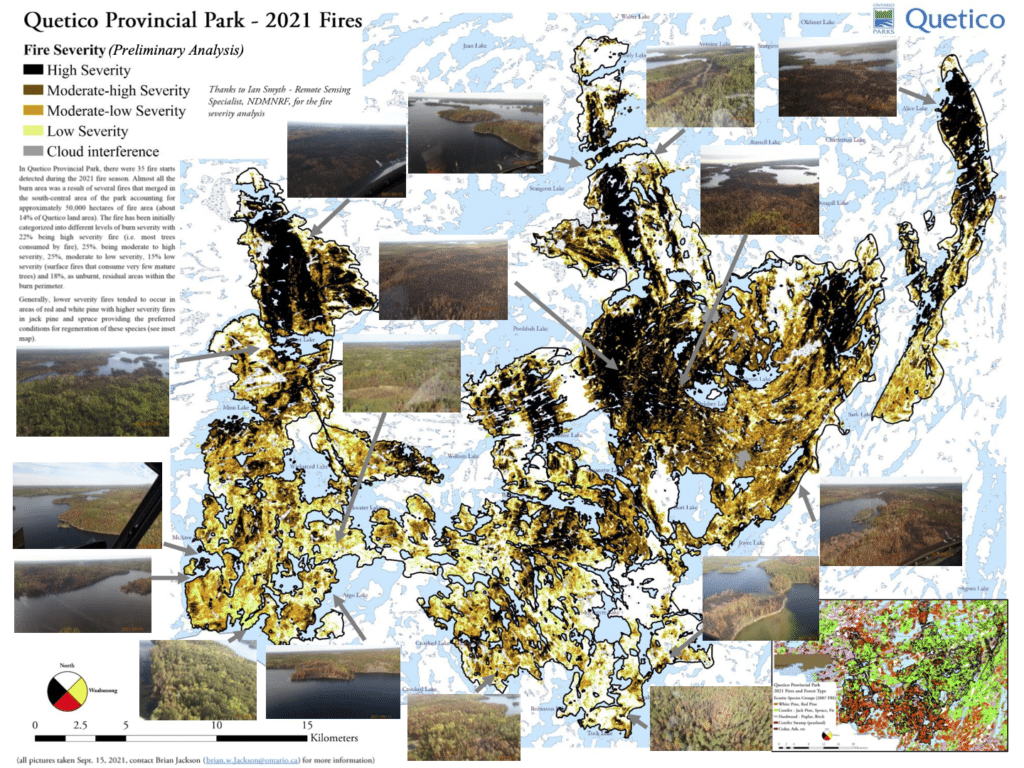
As popular paddling destination Quetico Provincial Park reopens to Americans, maps show areas affected by major fires.
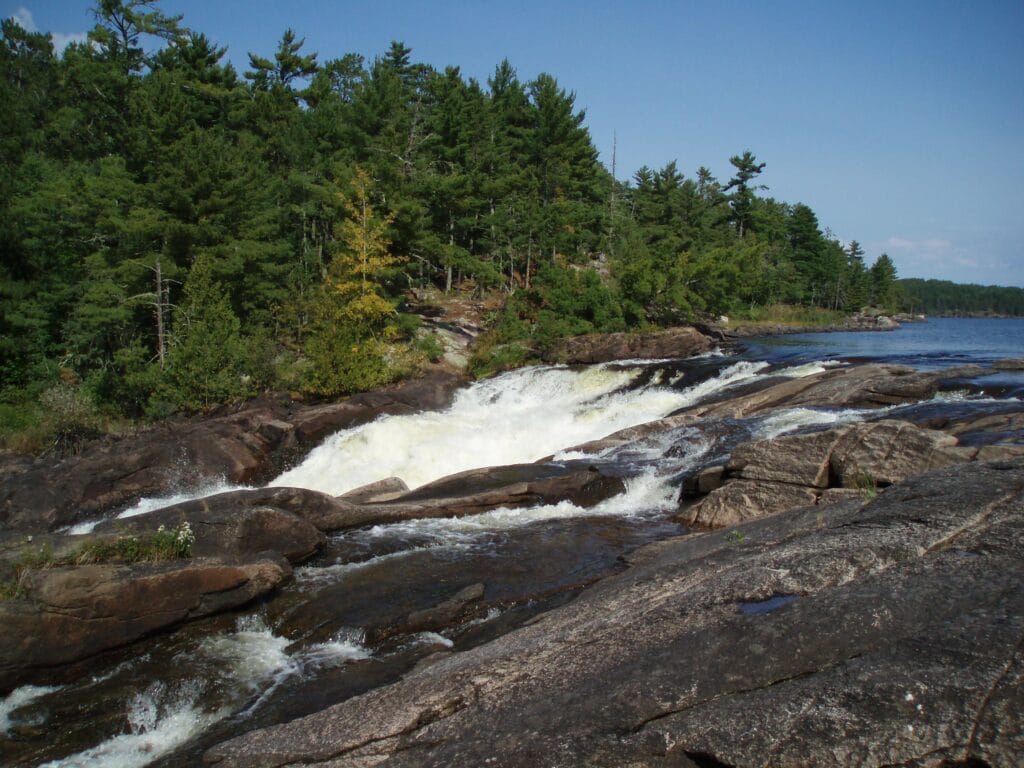
A coalition of groups is seeking national designation for the historic canoe routes near the Minnesota-Ontario border.
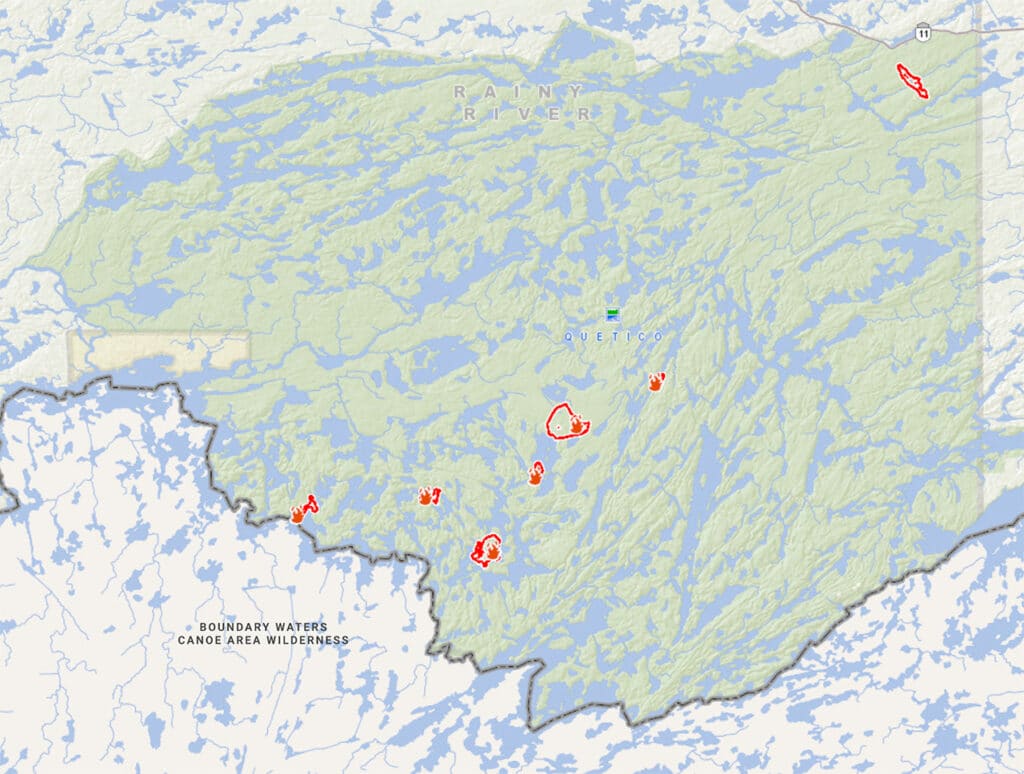
Several fires are burning in Quetico, across a large area, near the border with Minnesota.
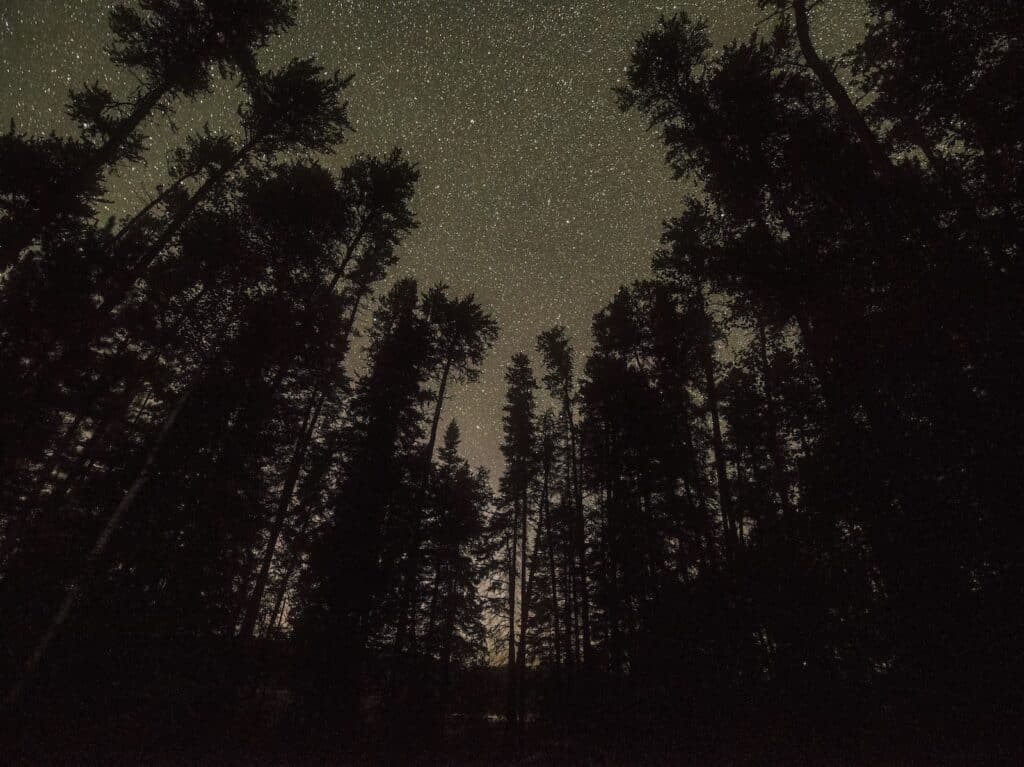
Third preserve in canoe country region gets international recognition for lack of light pollution.
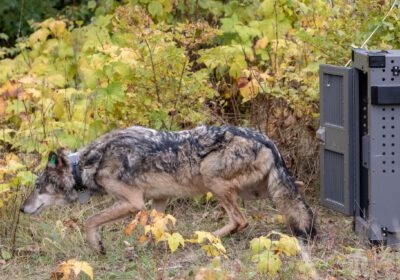
GPS collar let scientists see where a wolf that was brought to Isle Royale as part of reintroduction effort went after crossing ice back to mainland.
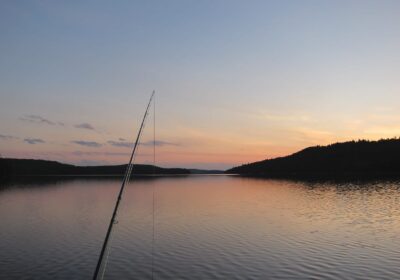
Canadian researcher seeks to improve understanding of how spiny water flea and global warming are affecting walleye and cisco.