


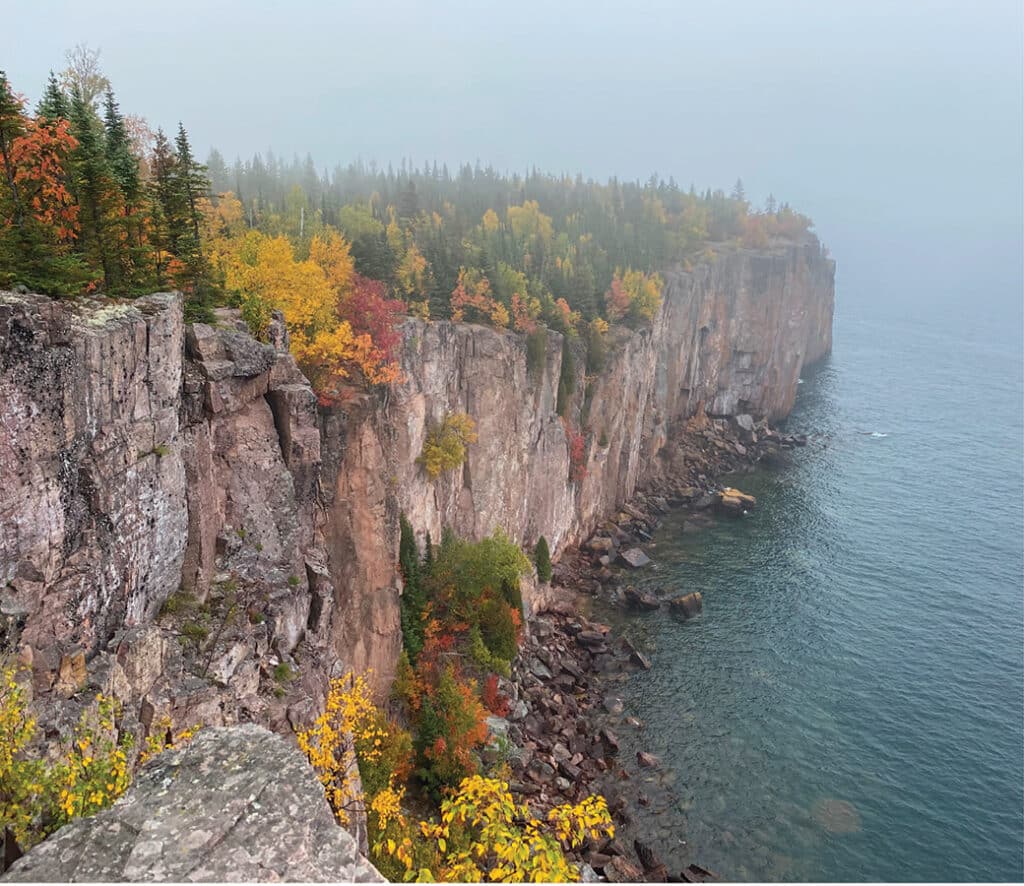
Throughout the Superior National Forest, small microhabitats harbor rare plants that usually grow in other climates. Many thrive in the narrow margins created by the cool, moist climate of Lake Superior and the surrounding boreal landscape. The USFS-Superior National Forest has listed 73 plant species as at risk. We highlight ten hidden gems here. Many face threat from human activities and environmental changes. If you spot one, consider yourself lucky, and please observe, but do not disturb.
Forest supports sensitive species
According to a recent report, the USFS–Superior National Forest (SNF) lists 73 plant species as “sensitive” or at risk. The regional forester chose these species because their numbers are declining and their habitats are disappearing. Although many other rare plants grow throughout the region, this particular group requires extra attention and conservation efforts.
One goal of the USFS is to determine how current forest management practices contribute to preserving these species now and in the future. To support this, they plan to restore habitats at a minimum of 20 known sites where sensitive plants grow. Although these plants in Minnesota are not listed under the Endangered Species Act, their future is tenuous.
We highlight ten rare plants that thrive uniquely in the national forest. Although some may appear on the USFS list, the agency has not publicly disclosed which species it includes. This likely reflects an effort to protect the habitats and locations of known plants.
The SNF, which is connected to the largest boreal system in the lower 48 states, experiences cool summers and cold winters. Conifers dominate the landscape, with pockets of deciduous trees like paper birch and quaking aspen scattered throughout. Acidic and nutrient-poor soil dominates the landscape, which includes scattered bogs and peatlands. A thick understory supports mosses, fungi, lichens, and other unique plants, many of which are normally found in arctic regions.
Ten at-risk plants, lichen and fungi
Showy Lady’s Slipper
This striking pink and white orchid grows in clusters, with botanists suspecting some have a life span of nearly 100 years. One of 43 orchids that grow in the state, these rare plants also serve as Minnesota’s state flower. The species has been protected by law since 1925. Individual plants take up to 16 years to produce their first flower, which contributes to their rarity. Lady’s Slippers grow in a variety of habitats, including bogs and damp woods.
How to spot them: Watch for eye-catching pink and white flowers that bloom from early June to mid-July. Look for clusters of blossoms at the end of long stalks reaching up to two feet tall.
Encrusted Saxifrage
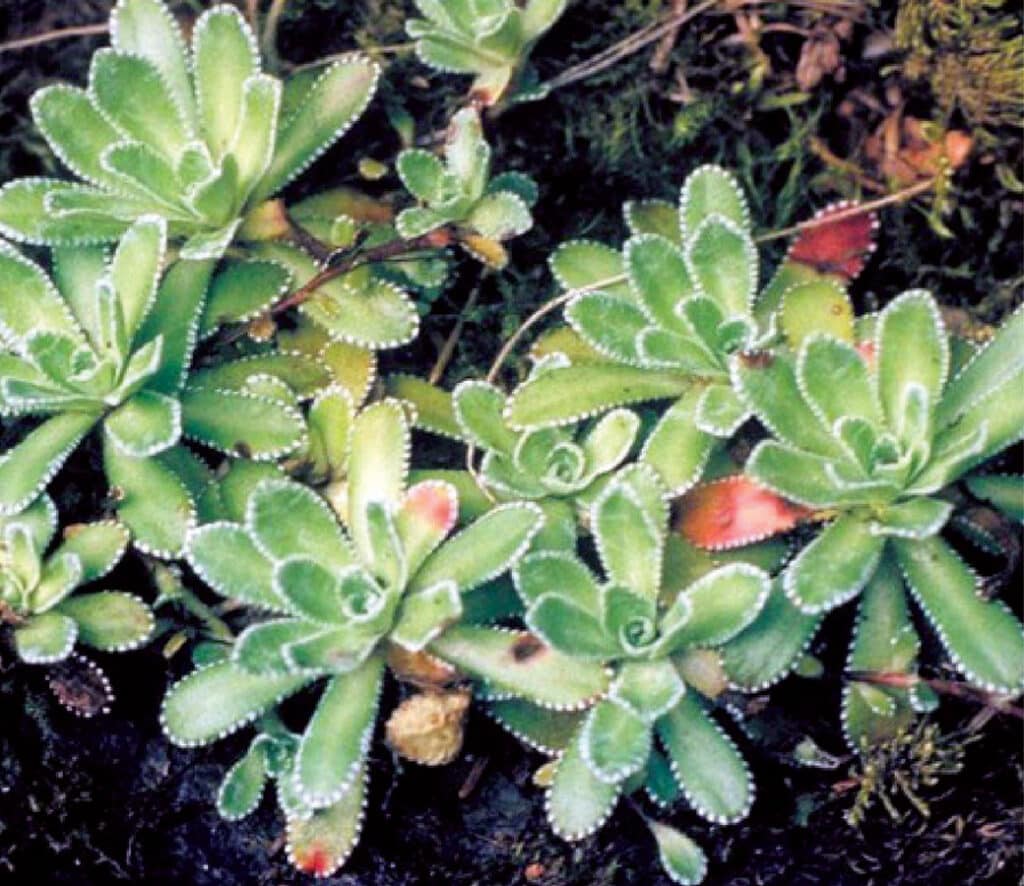
Tucked into steep, north‑facing cliffs, this perennial herb thrives in unlikely places. White clusters of compact flowers grow in rocky crevices in shady areas. This arctic‑adapted species was only known to be along the Canadian border, but began appearing on the North Shore of Lake Superior around 1993. Minnesota now lists it as a Special Concern species.
How to spot them: Look on shady, protected cliffs in Cook and Lake counties and along the north shore of Lake Superior. The plants can be easily identified by their dense rosette of leaves. White flowers bloom from late June to early August.
Rocky Mountain Woodsia
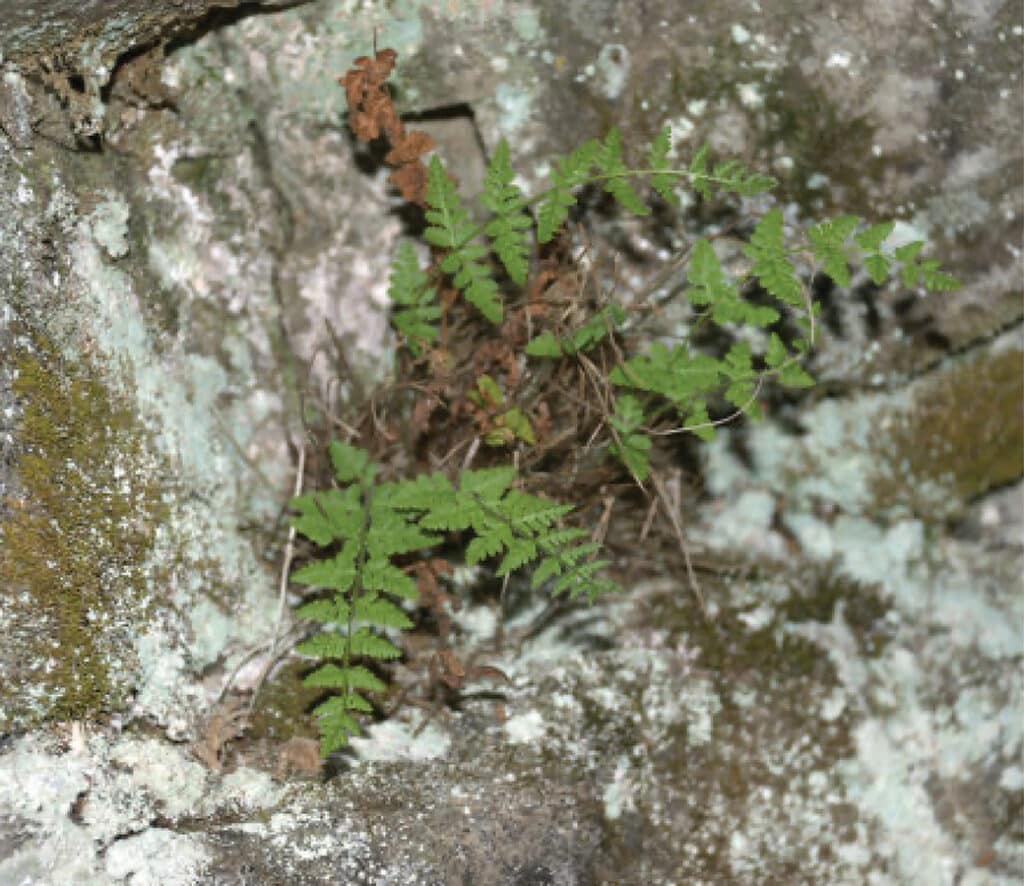
Normally found in the mountains of the west, these delicate-looking ferns burst from cliffs and talus slopes along the north shore of Minnesota. Due to their habitat requirements of cool, shady locations, they are considered threatened. They are found mostly in the Boundary Waters Canoe Area Wilderness. According to the Minnesota Department of Natural Resources, about 20 plant sites are known to exist.
How to spot them: You can distinguish them from other Woodsia ferns by their chestnut-brown stems. One of six Woodsia species in Minnesota, they flourish on shaded north- or east-facing cliffs. Look for them on the lower parts of cliff faces.
Black Crowberry
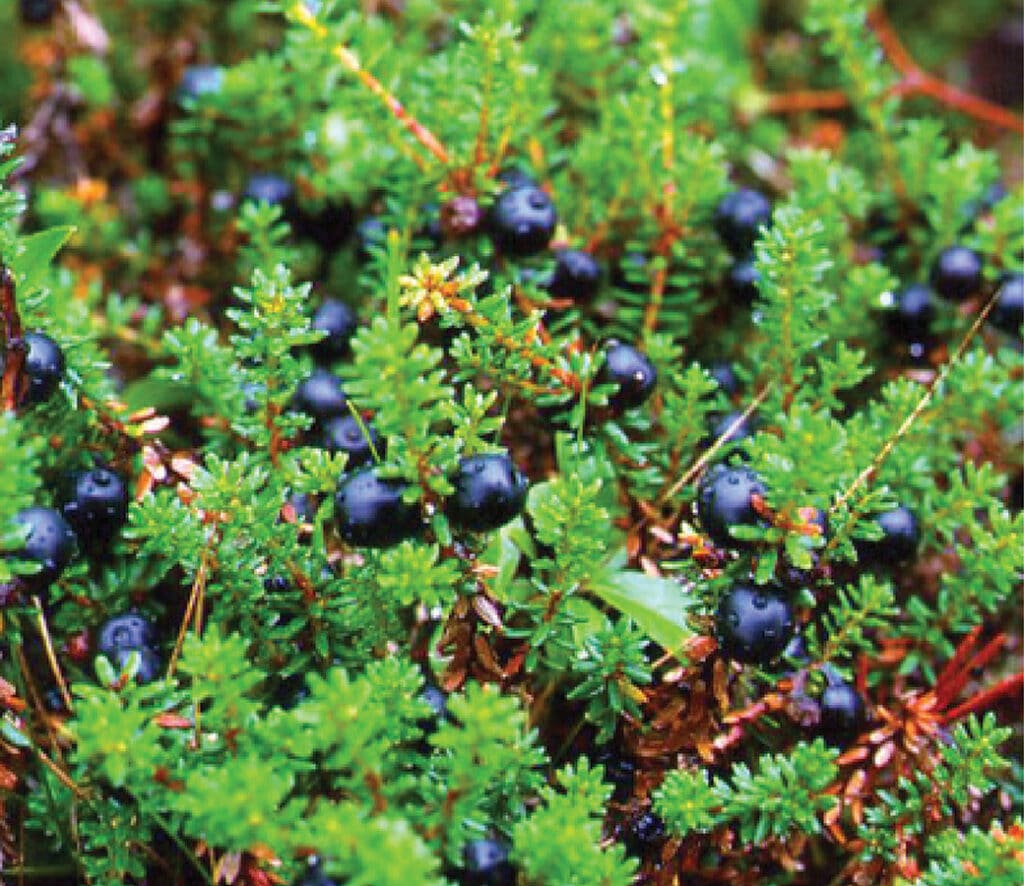
Punctuated by dark purple berries, this low-growing evergreen shrub grows in a cold microclimate. Botanists have found this extremely elusive plant on a single island of Precambrian rock in Lake Superior. The state listed it as endangered in 1996. Scientists have tried to cultivate the shrub elsewhere, including the original location, but these efforts have not succeeded.
How to spot them: The plant remains isolated on an island off the coast of Lake Superior, making it difficult to access. The shrub resembles lowbush blueberries, but it grows uniformly with dense evergreen leaves.
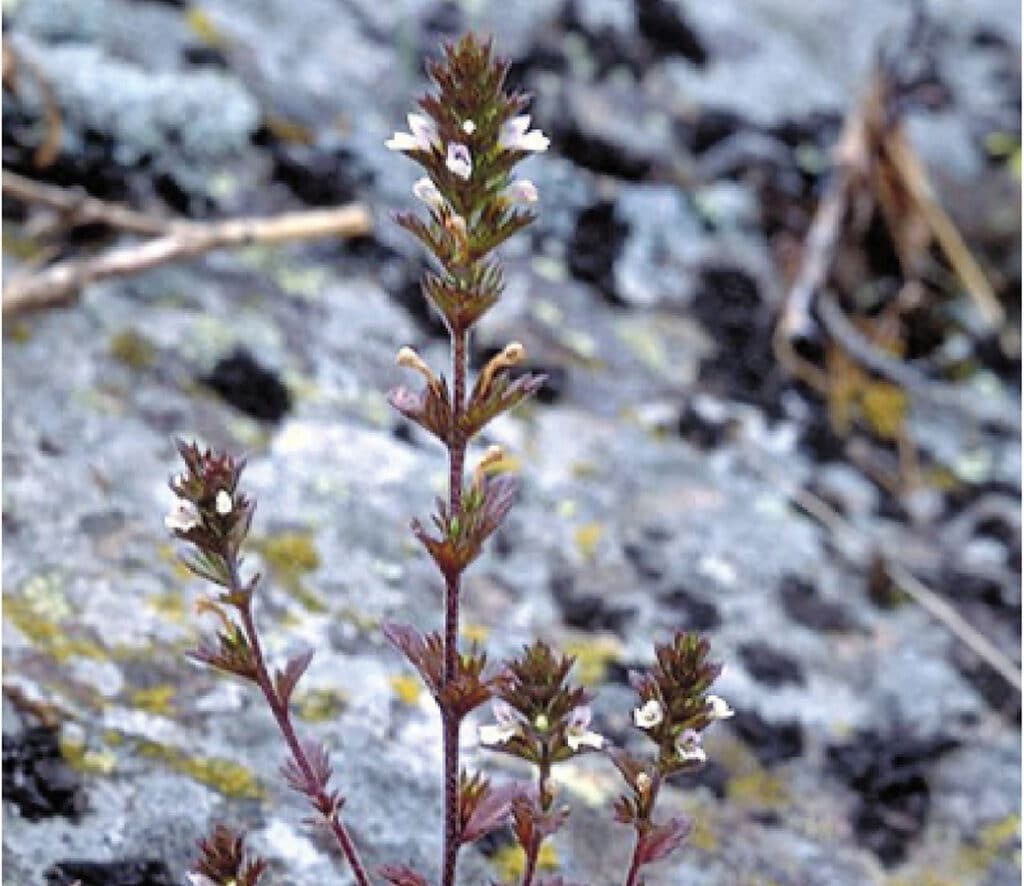
Another arctic relic that has persisted in the state for thousands of years, this plant features long purplish stems topped with white to pale blue flowers. Its delicate appearance belies its hardiness. Since the last glacial ice retreated, it has grown along the shorelines and islands of Lake Superior. Minnesota listed it as Special Concern in 1984.
How to spot them: These plants grow close to Lake Superior, often on rocky ledges, in crevices, and along the edges of small pools. They prefer gravelly soil and sand as well as mossy mats.
Alpine Bilberry
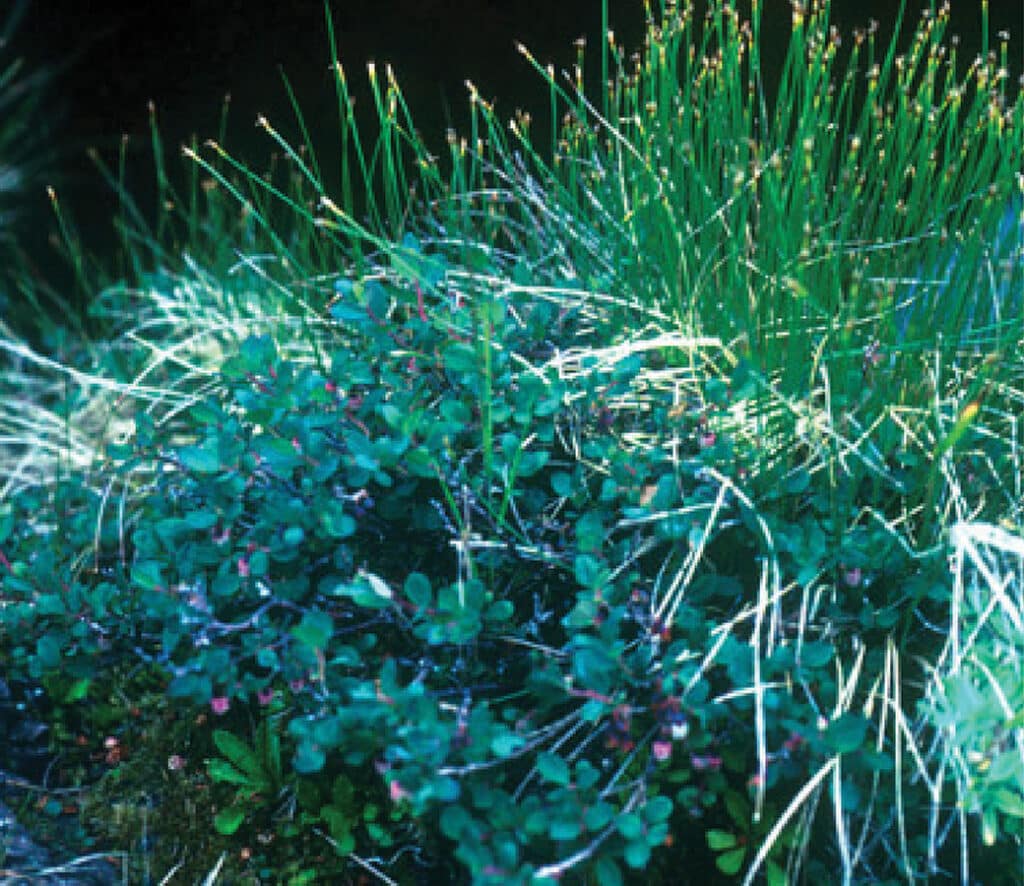
In 1891, botanists discovered this plant on an island in Lake Superior near Grand Portage while conducting botanical surveys. This shrub grows in a low, dense mat and resembles a blueberry plant. Reaching about twelve inches in height, its small, round leaves could be mistaken for bear-berry. Small, dark blue fruits ripen late in the summer. Conservationists listed it as threatened in 1984 due to the plant’s rarity.
How to spot them: Although this plant is not easily accessible, it grows in isolated patches along the far north shore of Minnesota. It prefers exposure on rocky shorelines, thriving in deep crevices.
A Cup Fungus
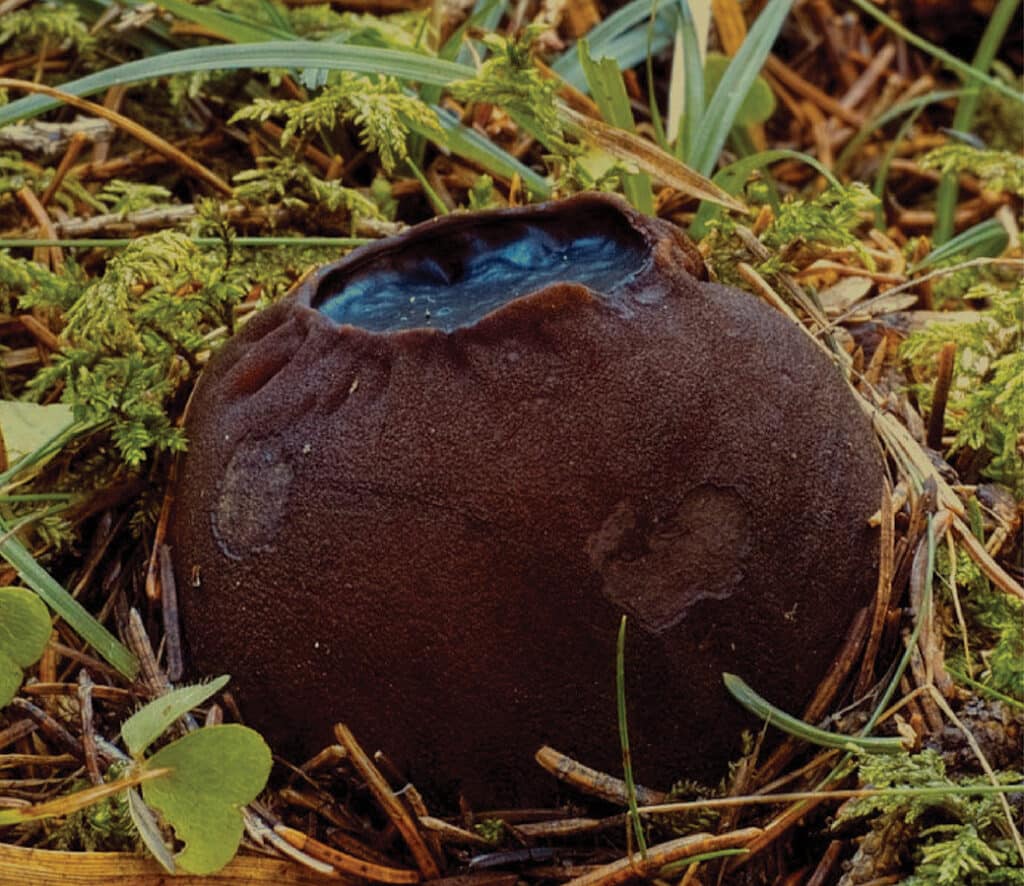
Though they are not part of the plant kingdom, this striking fungus grows in a handful of locations throughout the SNF. Its brown, gelatinous cup can reach up to 4 inches in diameter. The state classified it as a species of Special Concern in 2013. Habitat loss and degradation from changes in land use pose the greatest threat to this fungi’s survival.
How to spot them: Search for these unusual fungi in moist areas covered with pine needle duff. They often cluster under paper birch, quaking aspen, or pine trees. Growing best in cooler temperatures, they appear in the spring.
Yellow Specklebelly Lichen
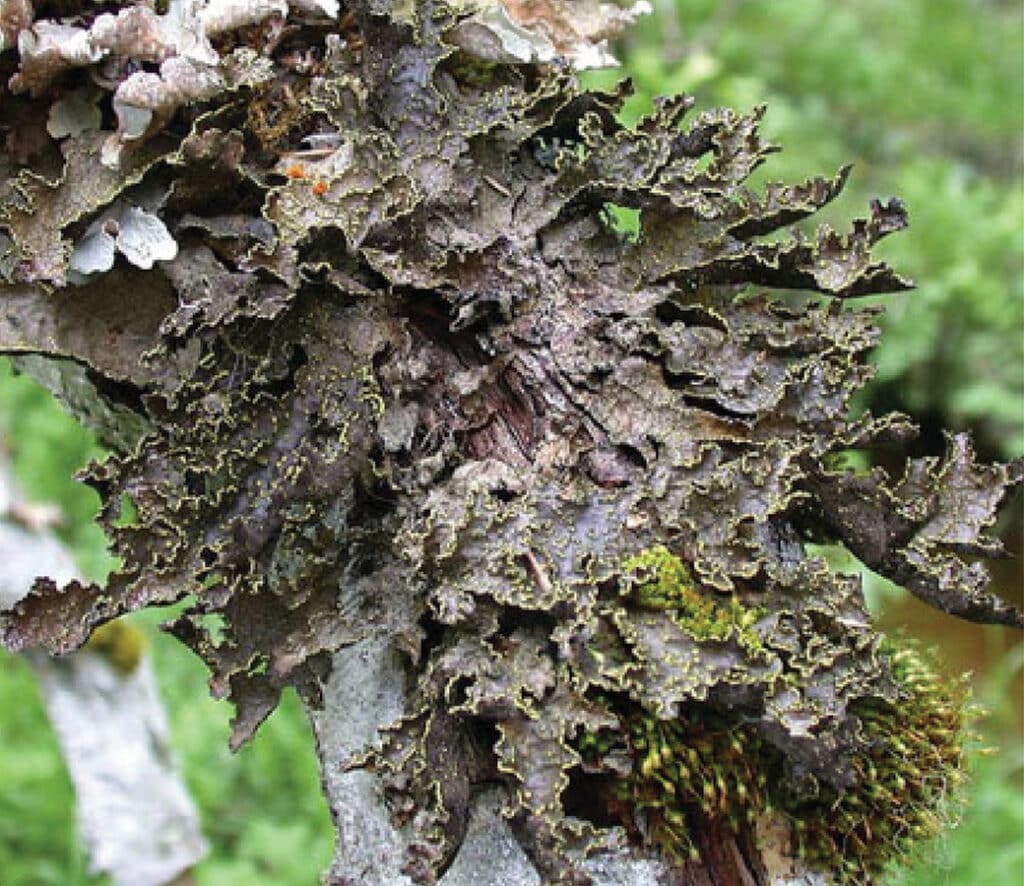
Also, not a plant but a partnership between fungus and algae, this lichen is considered endangered in the state. Mature specimens display curly, leafy lobes covered with bright yellow granules. Over the last thirty years, botanists have documented it only once in St. Louis County. Unfortunately, historical logging has reduced its habitat in old-growth forests.
How to spot them: Scientists have found this species in mature hardwood and conifer forests. It grows on trees in mostly shady areas. Look for tan or brownish “leaves” growing on rocks or trees near water.

Red Parasol Moss
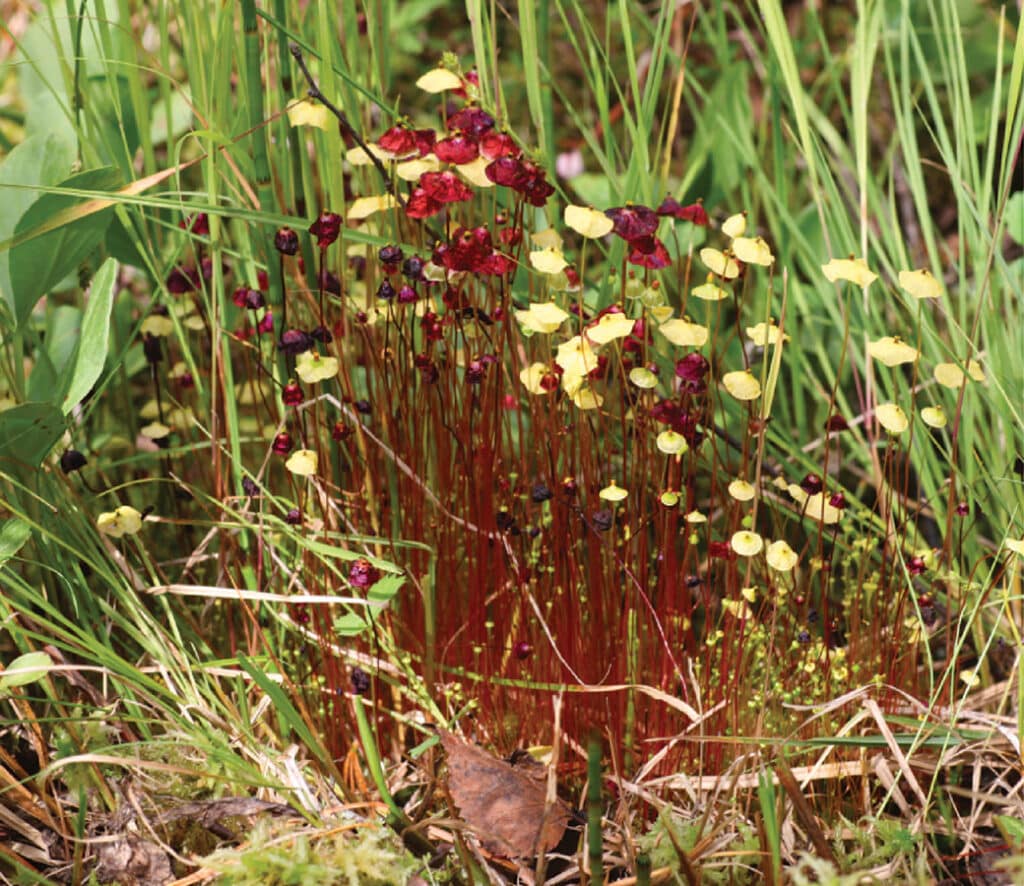
One of the more unusual species, this magenta-red plant, known for its parasol-shaped top, grows exclusively on old moose scat. Because of this dependence, it occurs only within the range where moose live. Botanists have found only a handful of specimens, leading to its endangered status in the state in 2013. When mature, the plant reaches about five inches in height.
How to spot them: You can find this plant in nutrient-poor conifer swamps and certain types of fens, growing solely on old moose scat. A few populations have been found on Isle Royale.
Cloudberry
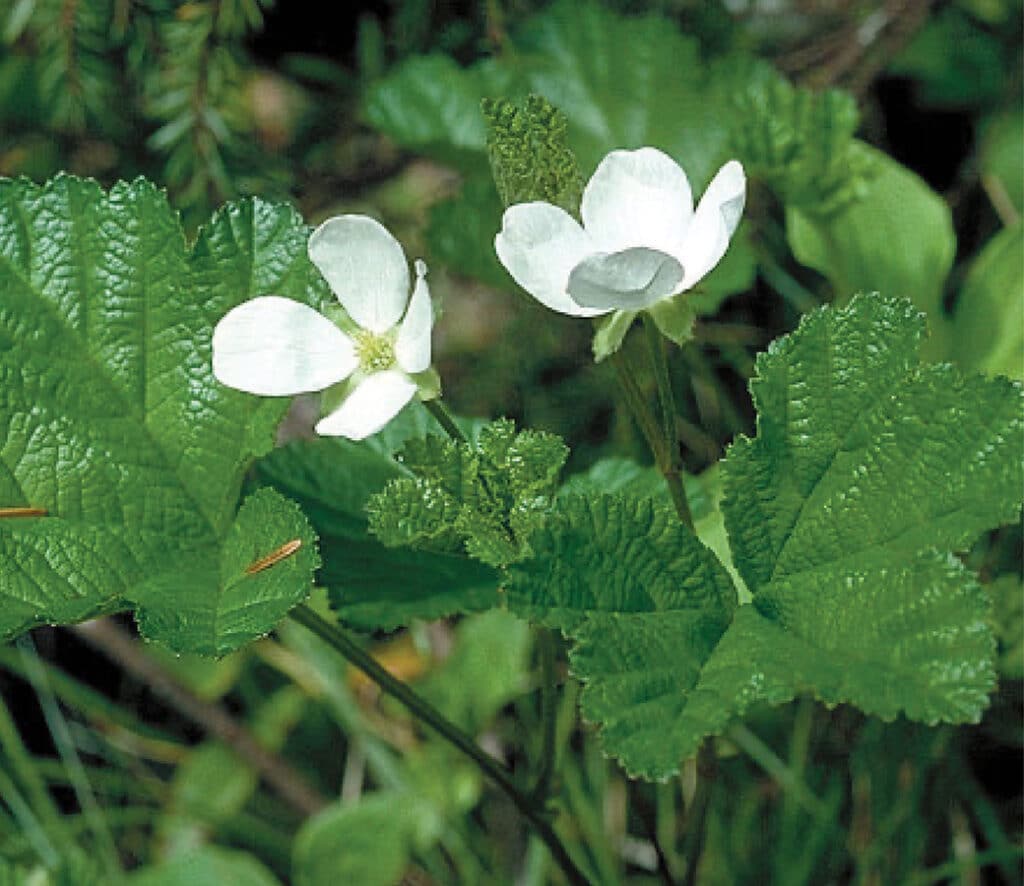
Normally found in the Arctic, this species’ southernmost limit is in the SNF. It was first documented in Minnesota in 1954 near Basswood Lake in the BWCAW. Since then, a few more populations have been discovered, though rare. The state listed it as threatened in 1984. The plant spreads through rhizomes that grow beneath the moss surface.
How to spot them: This herbaceous plant grows up to twelve inches tall, and its delicate white flowers last only a few days. It thrives in sphagnum bogs populated by black spruce or mixed-swamp forest. It prefers partial shade and is best seen in June through August.

Protecting sensitive species
A number of challenges threaten the survival of these species. Conservationists identify both human and environmental factors as key influences on their future.
Some species depend on stable groundwater and respond sensitively to fluctuations. Many species rely on cool temperatures that create unique microclimates along Lake Superior. Campers and hikers can damage habitats where rare plants grow by trampling and causing shoreline erosion. Additionally, they face threats from industrial pollution that leaches into groundwater and alters wetland chemistry.
Many of these plants are considered “boreal-relict” species that once spread widely after the glaciers receded during the last ice age. These distinct plants now survive at the edge of their range, making every sighting valuable. Their diversity supports forest ecosystems, as they provide habitat for insects and other organisms.
Besides that, these species serve as indicators of both climate and forest health. When they disappear from an area, it’s likely a signal of changes in groundwater or the spread of pollution. Losing these distinctive plants weakens the ecosystem’s resilience. They remind us that wild forests depend on even the smallest and most delicate organisms.
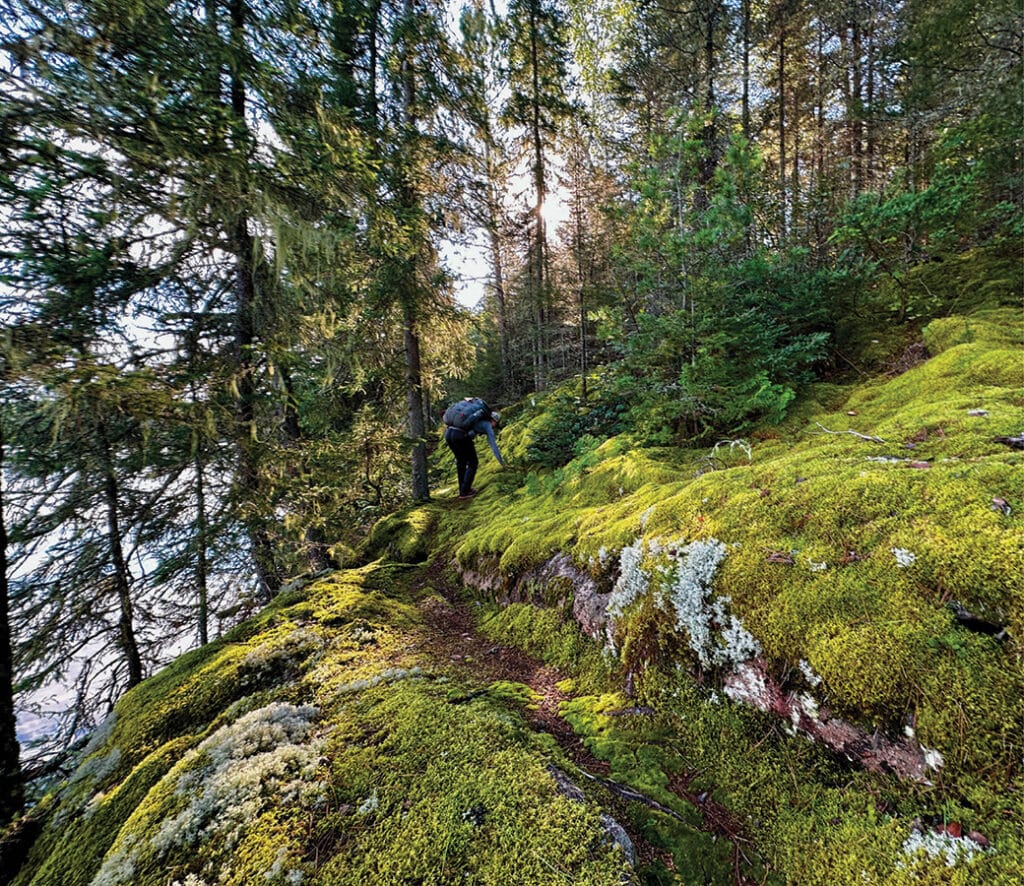
When you explore, tread lightly. Stay on maintained trails and in areas already impacted by visitors. Take only photos and leave any plants you discover undisturbed. The U.S. Forest Service–Superior National Forest has compiled a list of Sensitive Species, and more information is available through the Minnesota DNR Rare Species Guide.
More info:
- USFS Eastern Region Regional Forester Sensitive Species
- 2022-2024 Forest Plan Monitoring and Evaluation Report – USFS-Superior National Forest