🔥 Current Fire Conditions Track active fires, smoke impacts, wildfires near the Boundary Waters and North Shore updates during the 2026 fire season. Latest Updates >
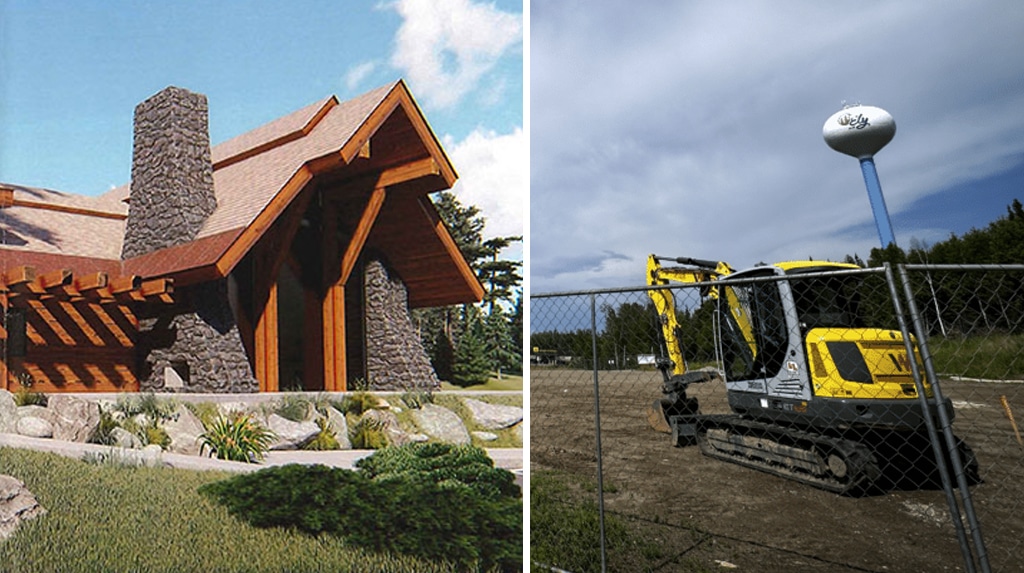
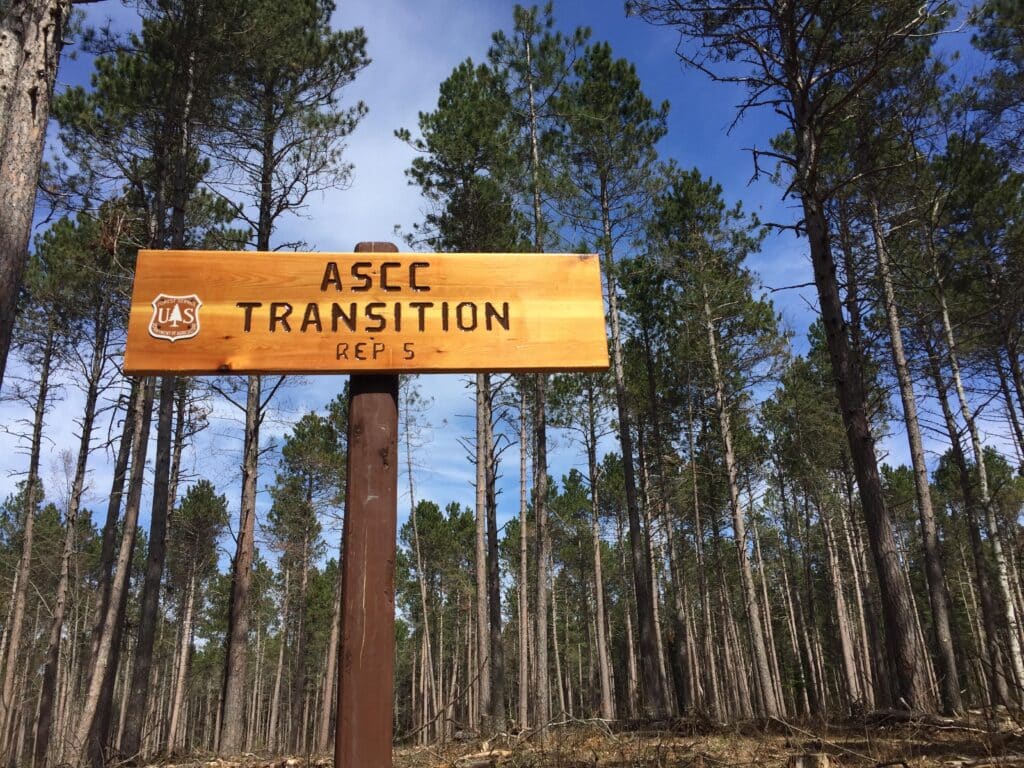
The Ely Economic Development Authority is constructing a new trailhead complex just west of Ely, Minnesota. The facility will serve as a trailhead hub for the Taconite Snowmobile Trail, Prospectors Loop ATV Trail, Mesabi Trail, and eventually, the North Country Scenic Trail.
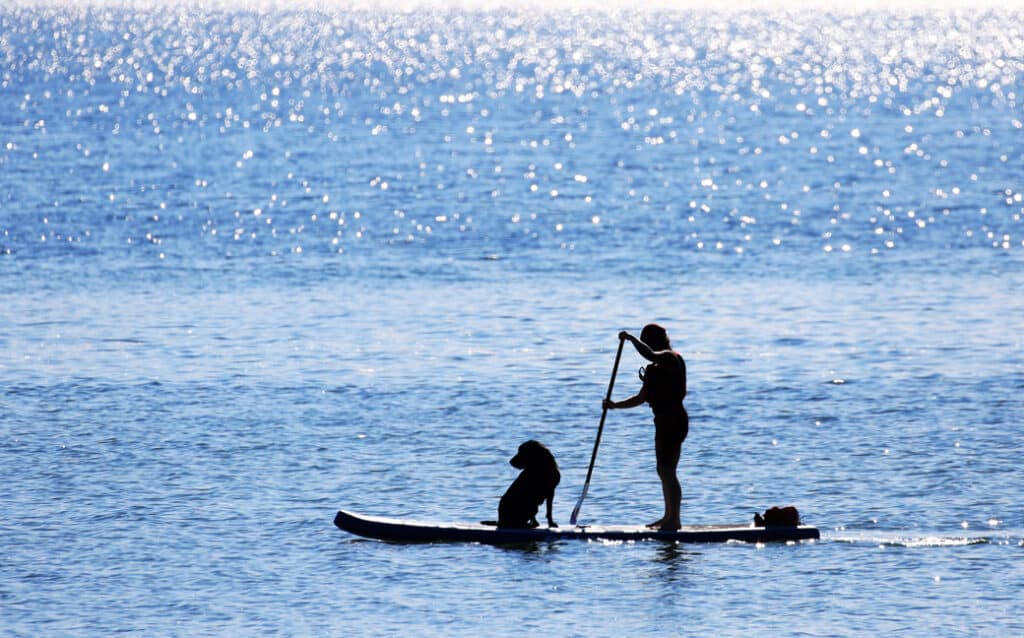
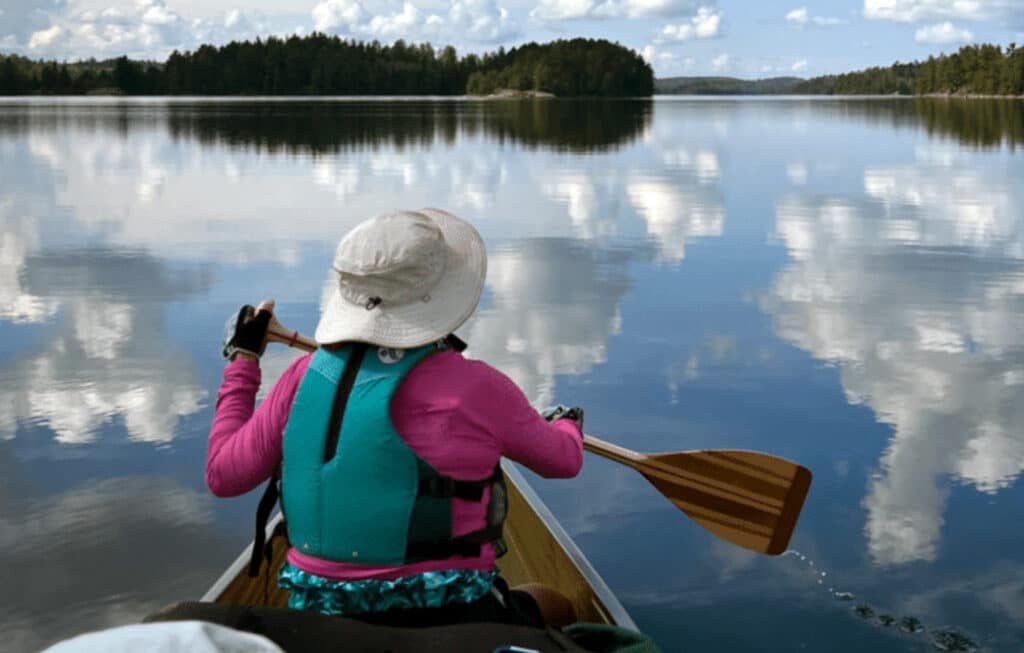
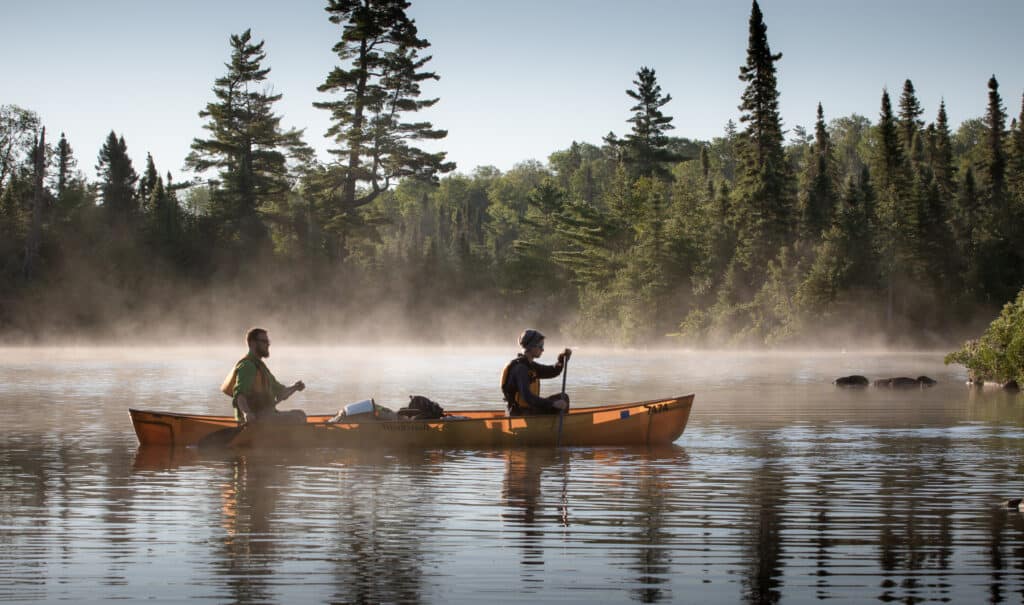
With 11,842 lakes and 69,200 miles of rivers and streams, it’s not hard to find somewhere to go stand-up paddleboarding in Minnesota. But in my opinion, the very best place to paddle is northeast Minnesota.
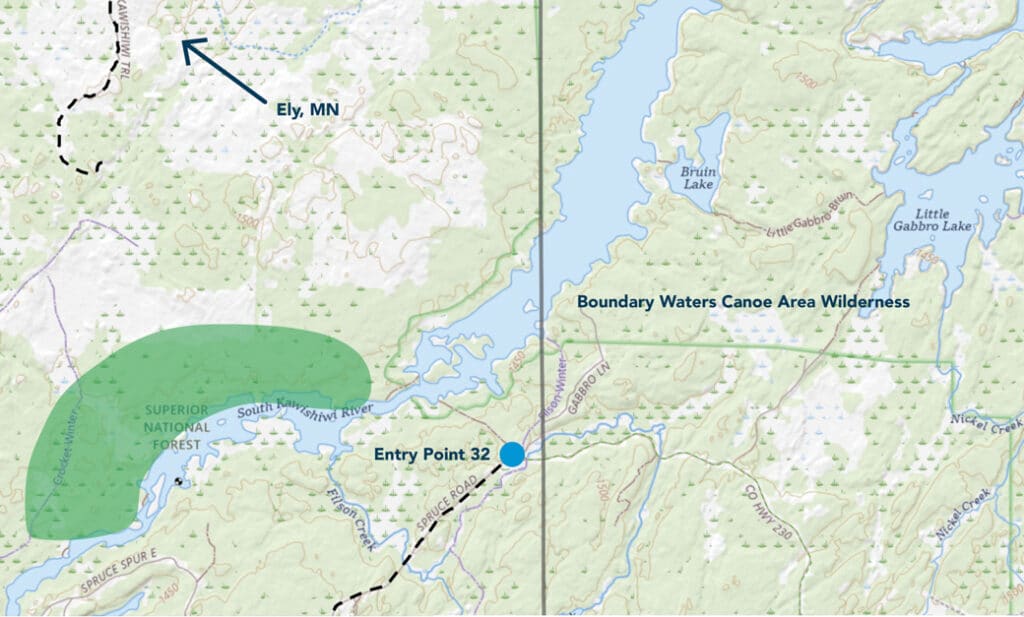
Friends of the Boundary Waters Wilderness recently purchased 361 acres of land along the South Kawishiwi River. This scenic river borders the Boundary Waters Canoe Area Wilderness and is considered one of America’s most endangered rivers.
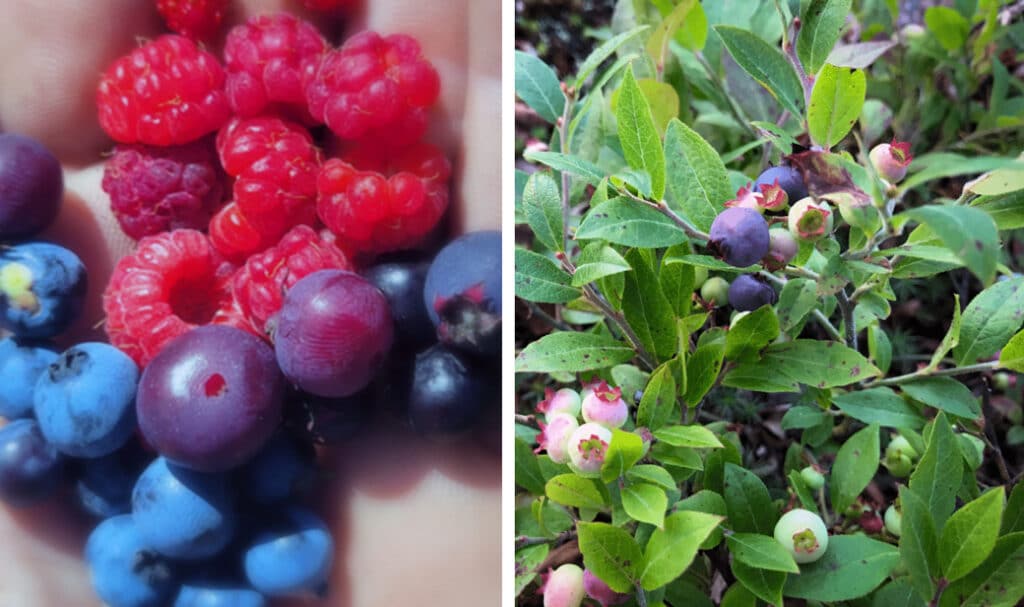
Berry-picking season has arrived! You can find all kinds of berries and mushrooms within the Superior National Forest and BWCAW. Foraging wild edibles is a highlight of summer adventures, connecting people to the land while adding flavor to camp meals.
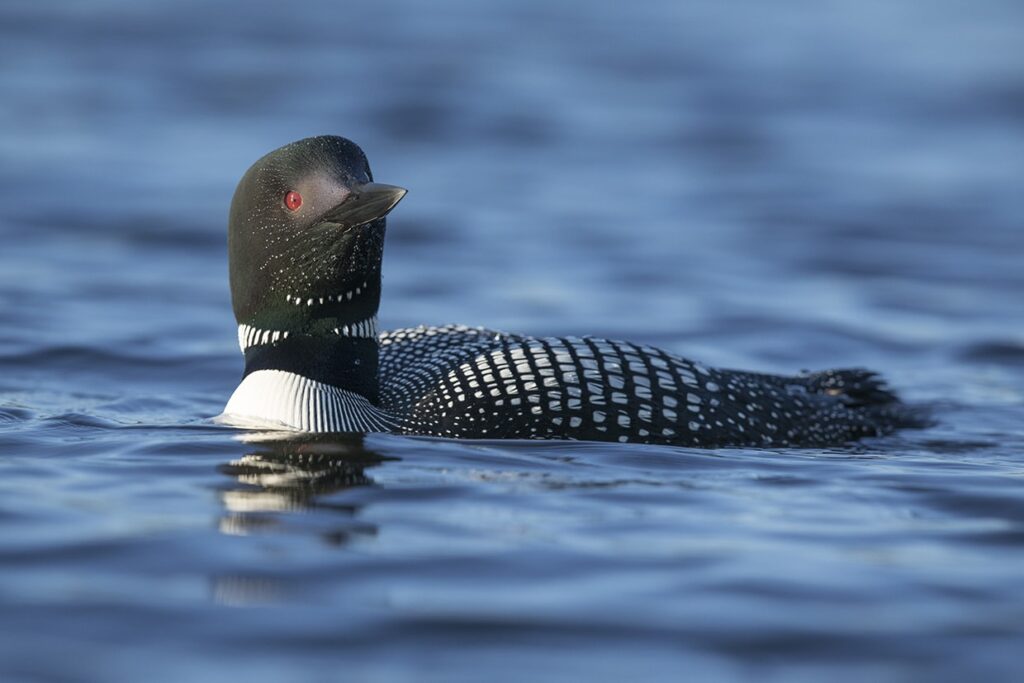
There are growing concerns that loons will no longer summer in Minnesota as soon as 2080 due to the changing climate. Environmental and state organizations seek volunteers to help count loons.
Last week, Representative Pete Stauber attached five amendments to the National Defense Authorization Act. These aim to overturn the 20-year mining ban near the Boundary Waters Canoe Area Wilderness (BWCAW). While four of those amendments were defeated, one remains under review.
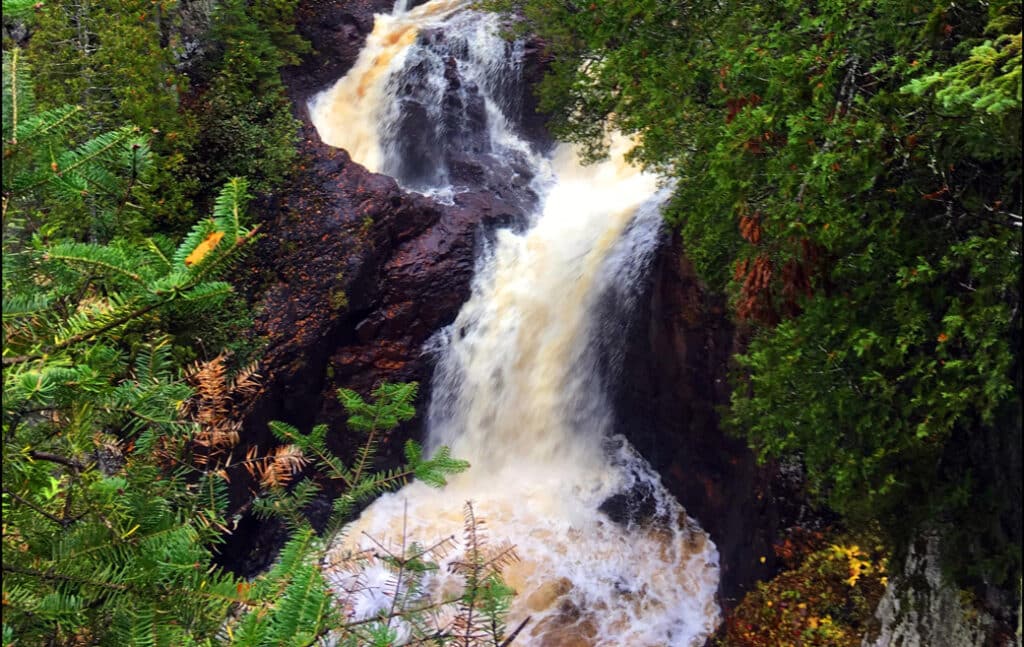
Where does the water from Devil’s Kettle go? Hike to the mysterious waterfall that splits across ancient rock, tumbles down 50 feet and disappears into a giant pothole…
PFAS or Perfluoroalkyl and Polyfluoroalkyl Substances are raining down on Lake Superior, contaminating its waters. A recent study reveals that rain has played a large role in spreading PFAS into all five Great Lakes. Actions are being taken at the federal and state levels to remove these toxins.
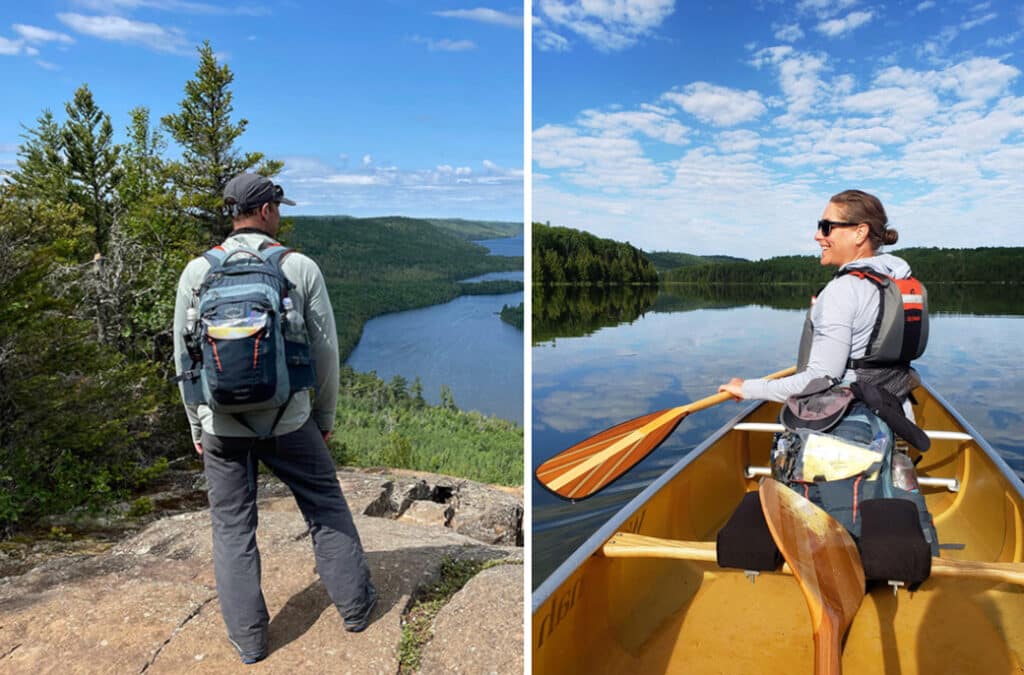
I wonder if this has ever been true for you. Somewhere around mid-August, you realize that summer is almost over and you have yet to do most of your favorite summer activities. Here are six must-dos in northeast Minnesota this summer. #1 Camp in breathtaking places. #2 Hike a remote trail. #3 Swim in a lake…
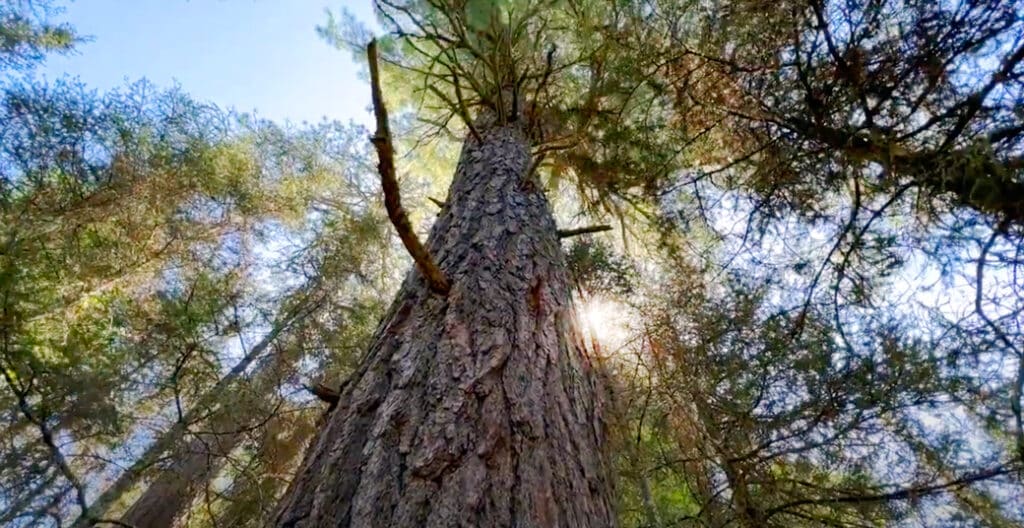
The oldest known tree in Minnesota grows in the Boundary Waters, estimated to be over 1,000 years old and informally known as the “Legacy Cedar.” Although past logging practices obliterated numerous trees, remnants of these ancient giants still linger in isolated pockets within the wilderness. Forest managers now consider their vulnerability to warming climate conditions.
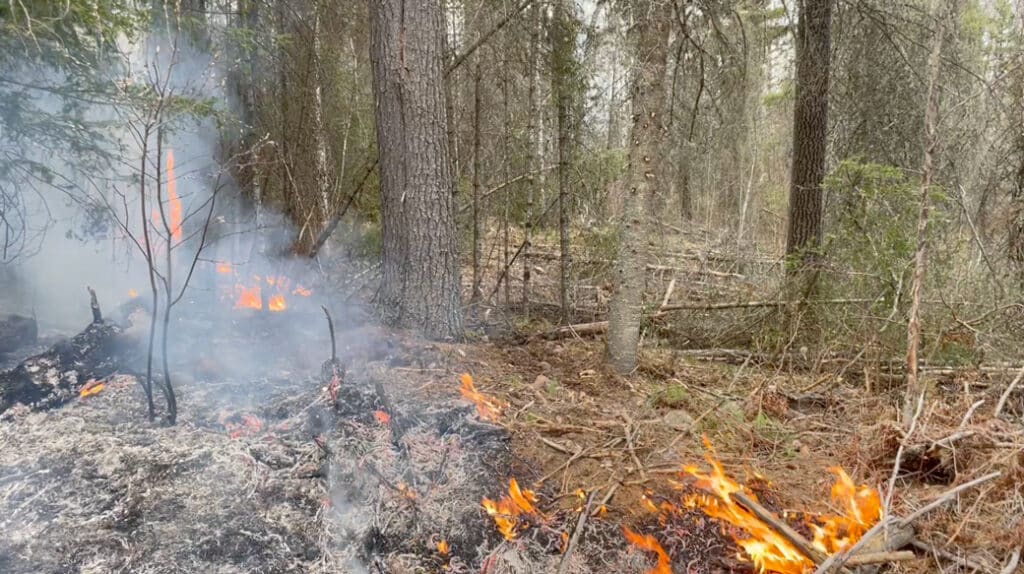
The Superior National Forest and stakeholders who care about the BWCA collaborate on topics including forest stewardship, visitor use, fire management, impacts and restrictions…
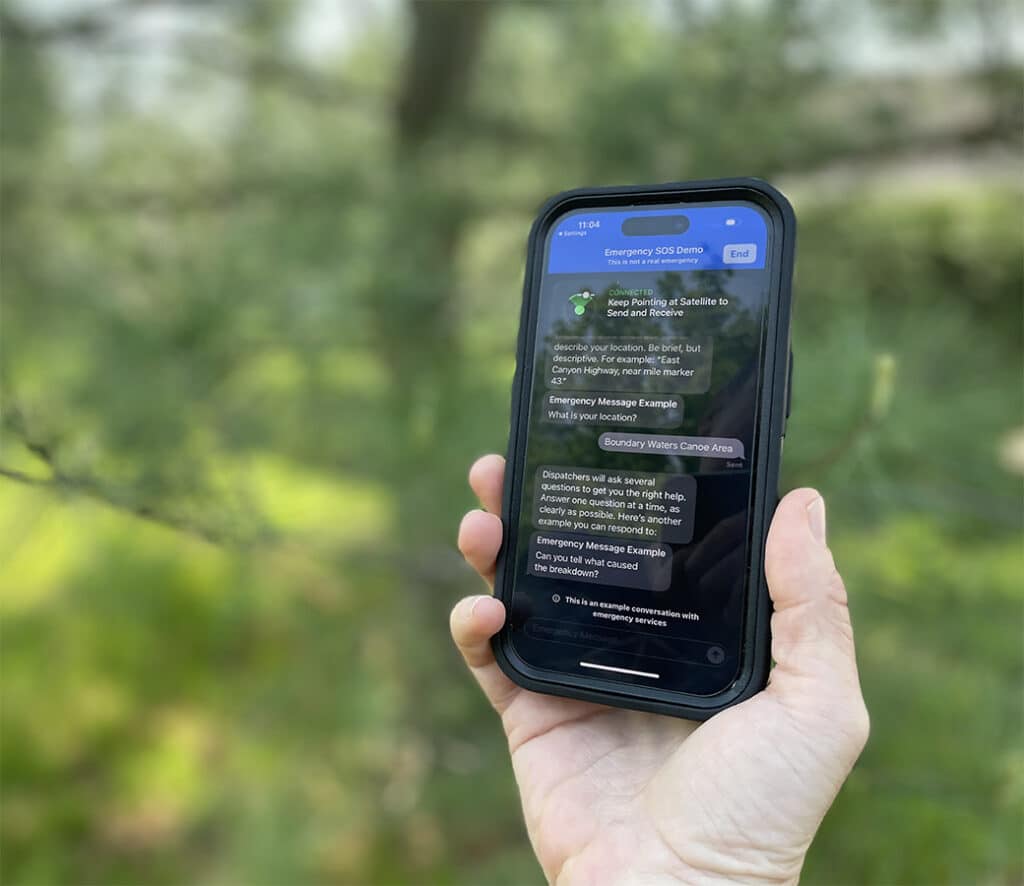
Full smartphone satellite coverage may be coming to the Boundary Waters sooner than you think. If made permanent, users would have the same level of connectivity that they experience daily. Wilderness areas like the BWCA could have full coverage by 2025. Search and rescue response expects to benefit…
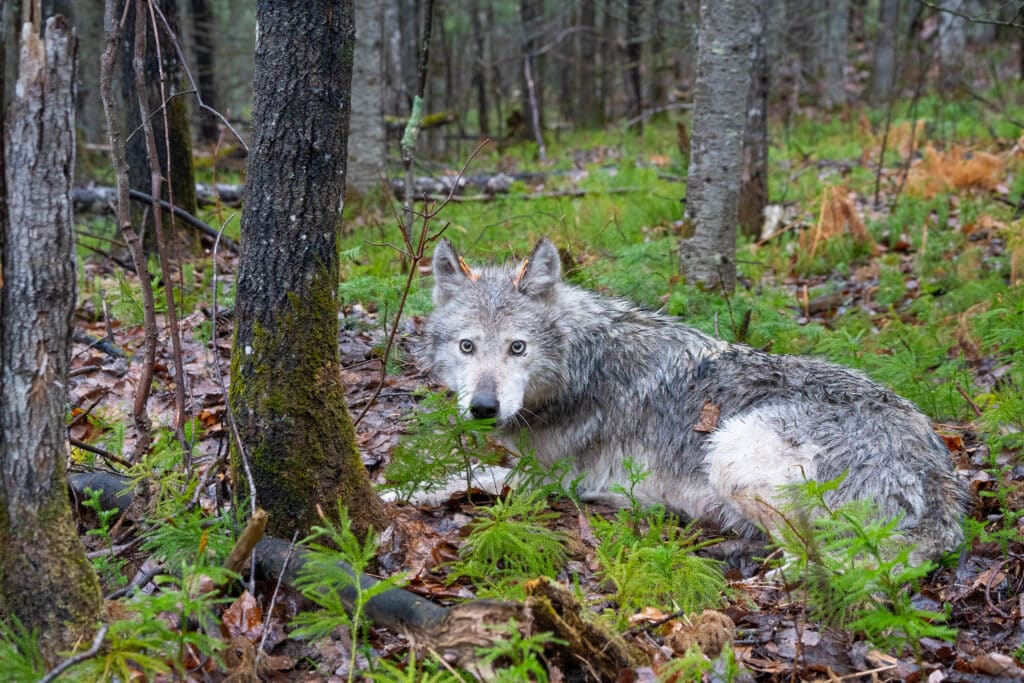
Lawmakers passed a bill titled “Trust the Science Act” which would delist gray wolves from the endangered species list. If the bill passes into law, management would shift from federal to state governance.
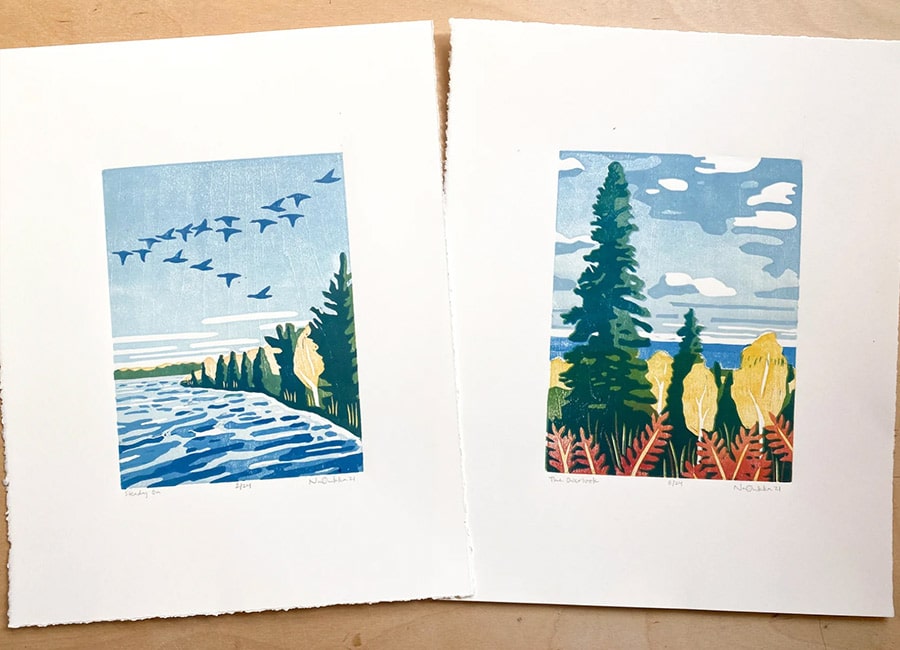
Grand Marais printmaker Nan Onkka finds inspiration in the northwoods: “The beauty, the rawness, the timelessness of the wilderness is so totally different from agricultural landscapes or urban recreational areas. I think everyone deserves the chance to experience that, and I hope that we are able to continue to protect the waters and the woods of these wild places.”
A bill that could reverse the 20-year ban on mining leases near the Boundary Waters Canoe Area (BWCA) passed the U.S. House. It will soon move on to the Senate. Environmental advocates express concern over the reversal of mining leases that could impact watersheds in the region.
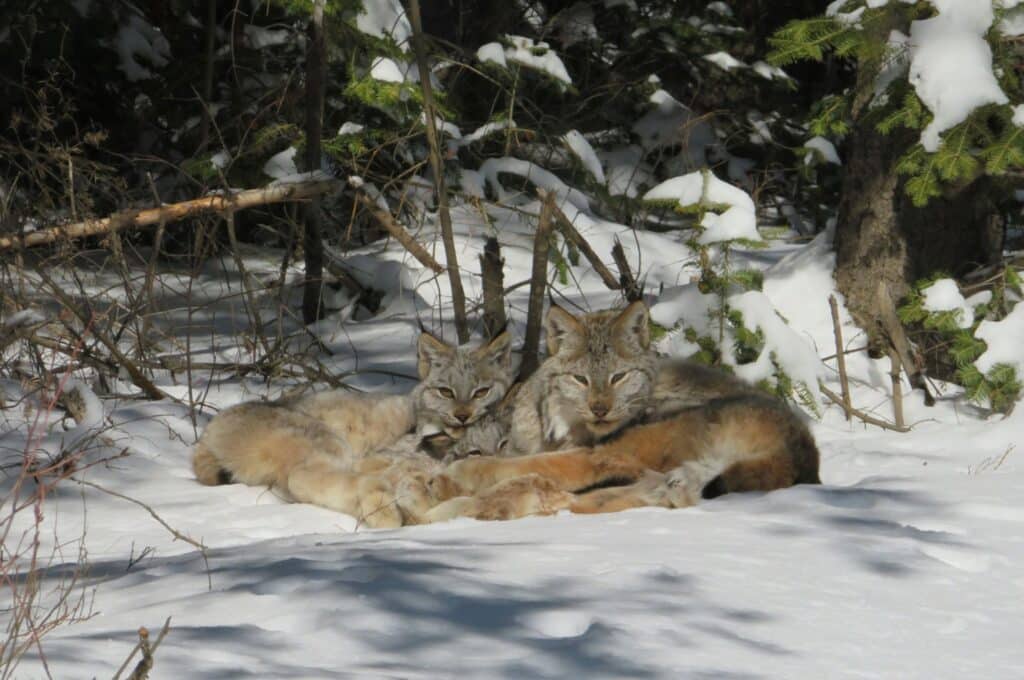
The U.S. Fish and Wildlife Service recently implemented a Draft Recovery Plan to strengthen habitat protection and support breeding populations of the Canada lynx. In Superior National Forest, the population has maintained healthy numbers for the past decade; however, it could change.
“Forests die fast and grow slowly,” says Lee Frelich, a forest ecologist with the University of Minnesota. In response to warming conditions, researchers in northern MN are planting trees normally suited for southern regions of the state. The USFS initiated an assisted migration plan to ensure the future of healthy forests.