Officials lay more groundwork to reinstate mineral leases near BWCAW despite opposition
Legislation introduced in Congress would reinstate Twin Metals Minnesota’s federal mineral leases and reverse the 20-year mining moratorium near the BWCAW.
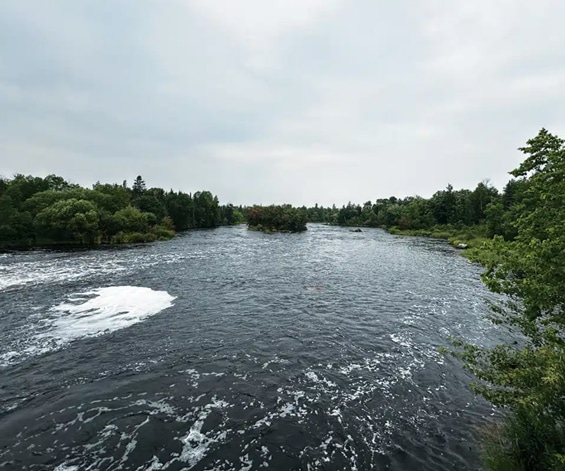
Federal, state, and local crews are actively cleaning up areas of environmental contamination on the Thomson Reservoir. This reservoir, which is part of the St. Louis River, plays a central role in a broader effort to repair historic industrial pollution that has long plagued the watershed and the largest river feeding into Lake Superior.
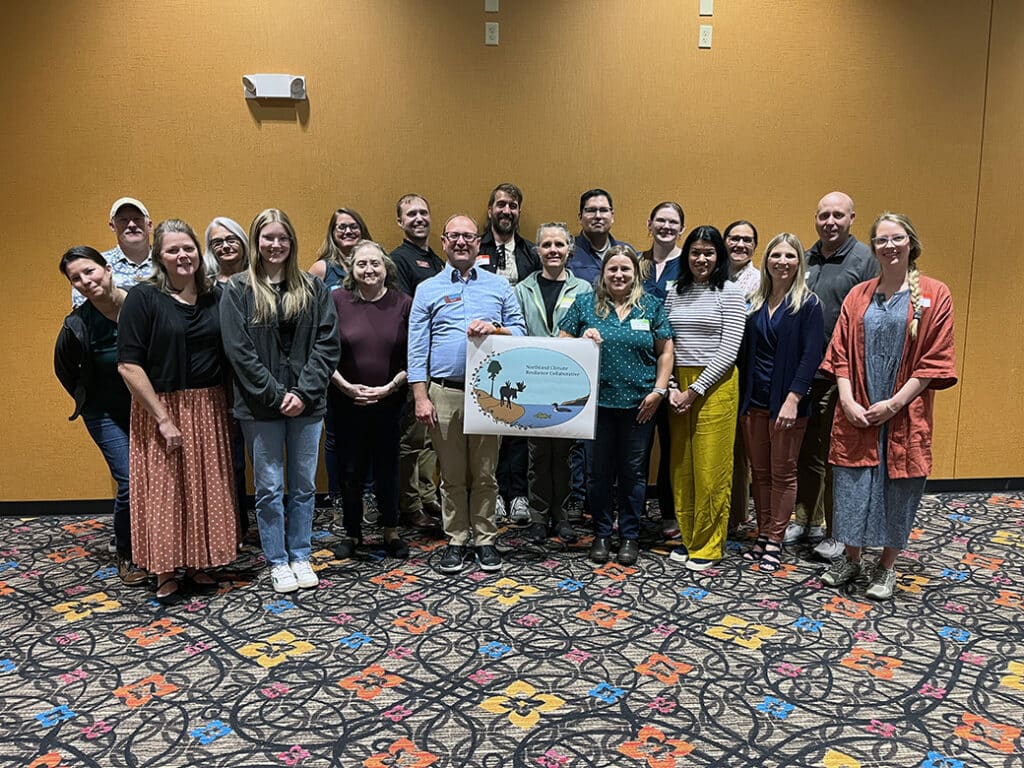
Local communities, Tribal Nations, state agencies, and multiple organizations have launched a partnership to develop a regional climate response plan in northern Minnesota. With a focus on climate issues, the newly formed Northland Climate Resilience Collective was funded through a grant from NOAA.
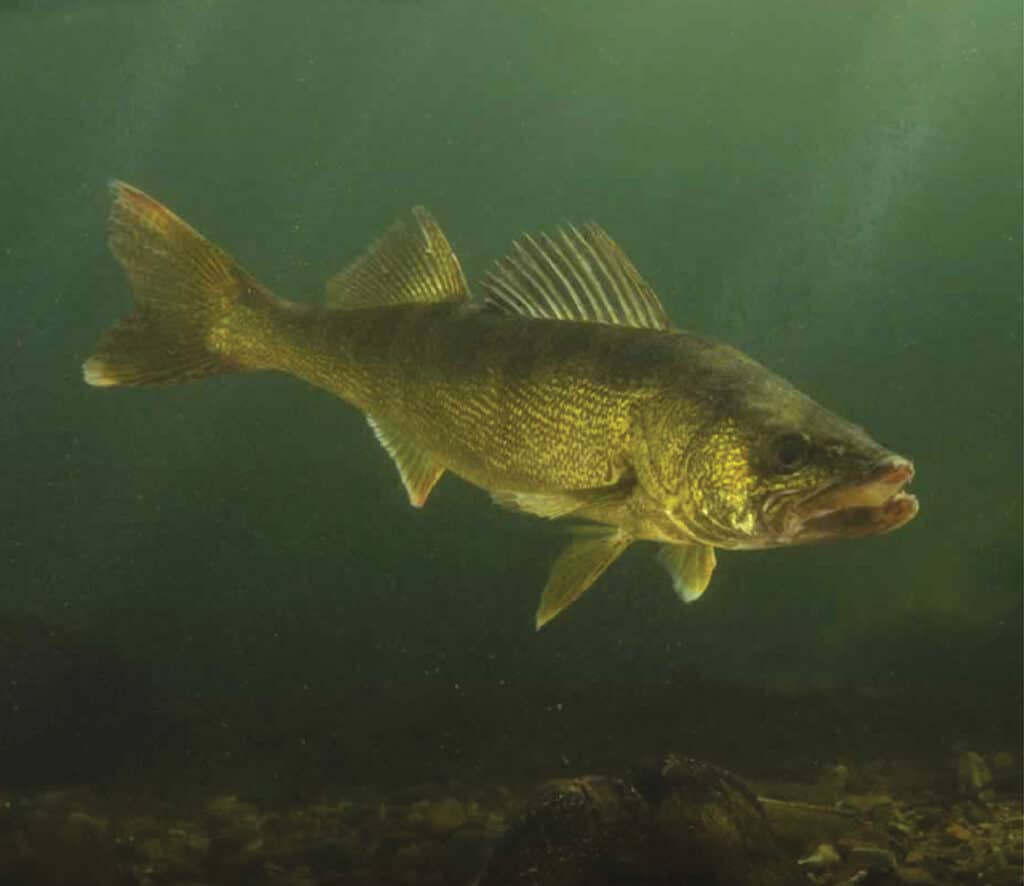
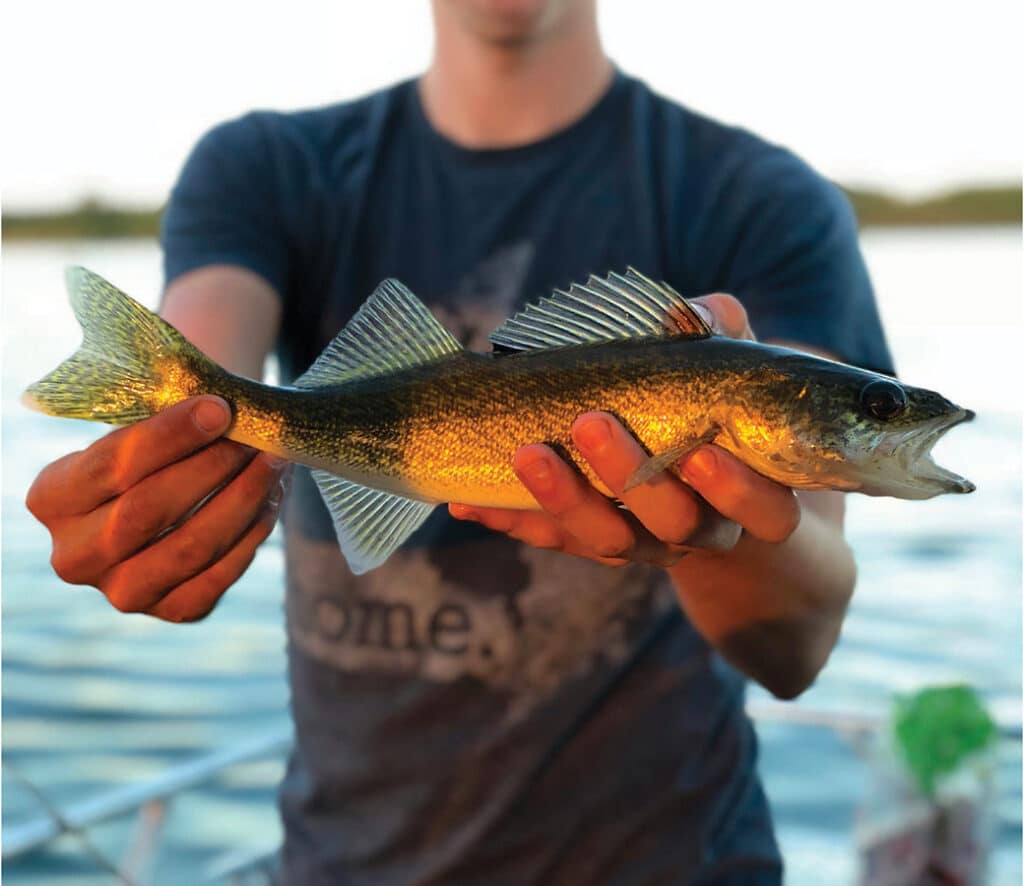
The Minnesota DNR is looking for public comment on the possibility of reducing walleye limits in the state. They attribute this to changes in environmental and ecological conditions, combined with advancements in fishing methods. If the bag limit changes, the walleye possession would decrease from six to four fish.
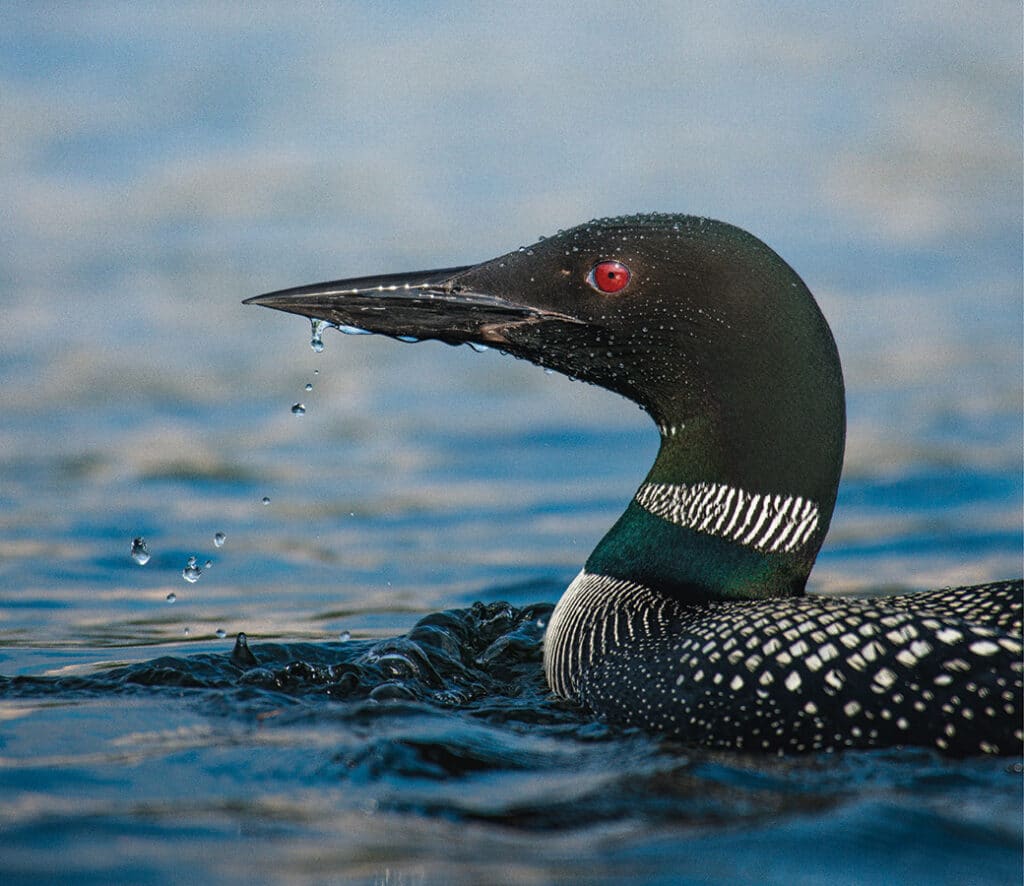
Volunteers are needed to count loons this summer. The Minnesota DNR is seeking people to observe and count the state bird between July 4-14 for their monitoring project. The information gathered will help protect and support the continued health of the birds. Current populations hover around 12,000, more than any other state besides Alaska.
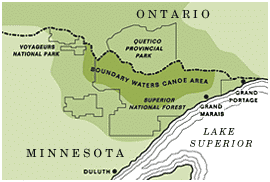
June 11 Update: In a win for wilderness and conservation efforts, Congress is set to remove Section 80131 from the draft budget bill. This section would have directed officials to move forward with reinstating copper-nickel mining leases near the Boundary Waters Canoe Area Wilderness.
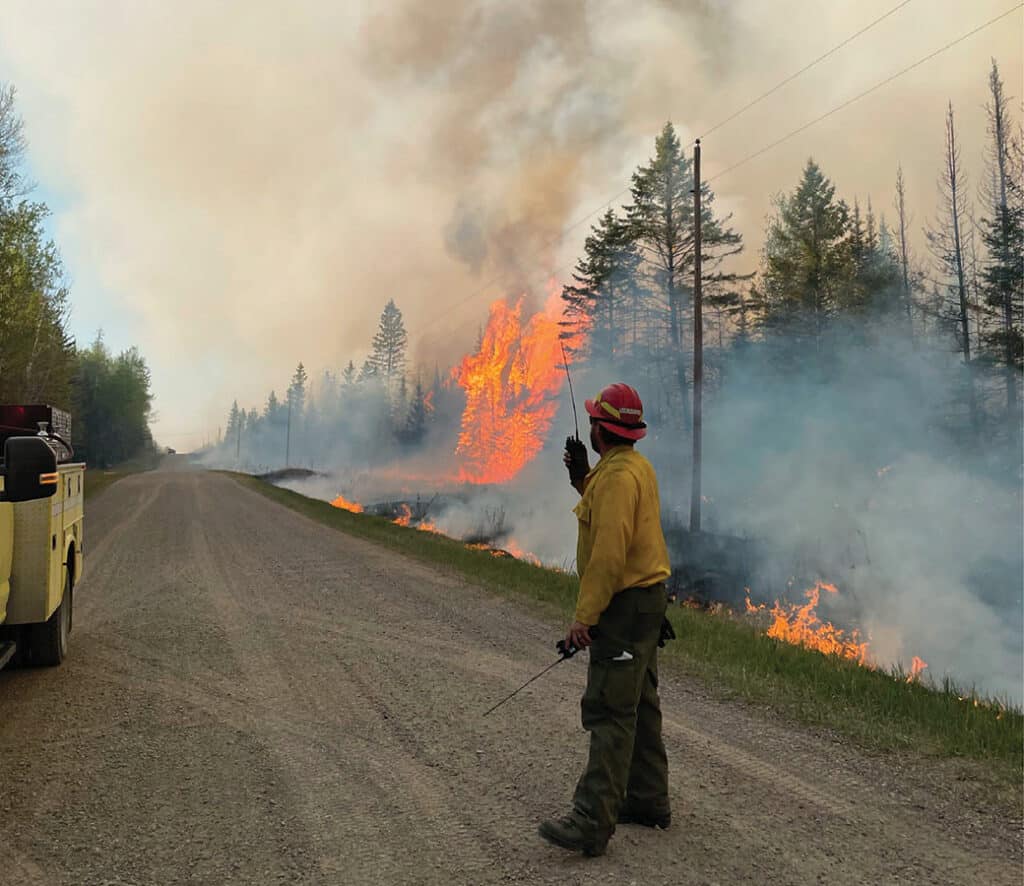
Crews are battling three wildfires in St. Louis County, Minnesota. The fires, which are burning in a mixed forest, are partially contained. Ground and air support, along with suppression efforts, will continue in the Superior National Forest until further notice. We will continue to share updates.
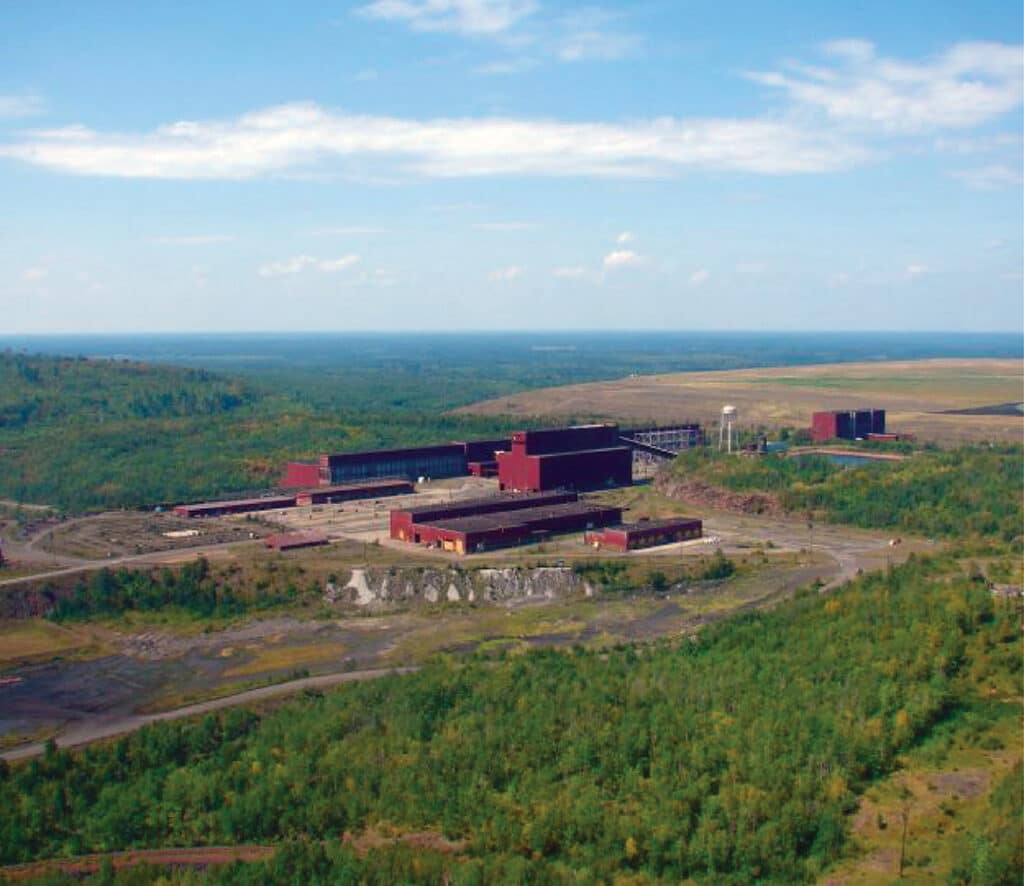
President Trump recently signed an executive order directing federal agencies to accelerate domestic mineral production in northern MN, including the proposed NorthMet mine. Advocacy groups criticize the effort, saying the current administration is ignoring science.
The Nature Conservancy is actively working to acquire 12,350 acres north of Two Harbors. It would be their largest land acquisition in over 20 years. This property lies near the Sand Lake/Seven Beavers Preserve and just north of the Finland State Forest. If it moves forward, it will connect with neighboring preserves, expanding a continuous ecosystem of protected forest and wetlands.
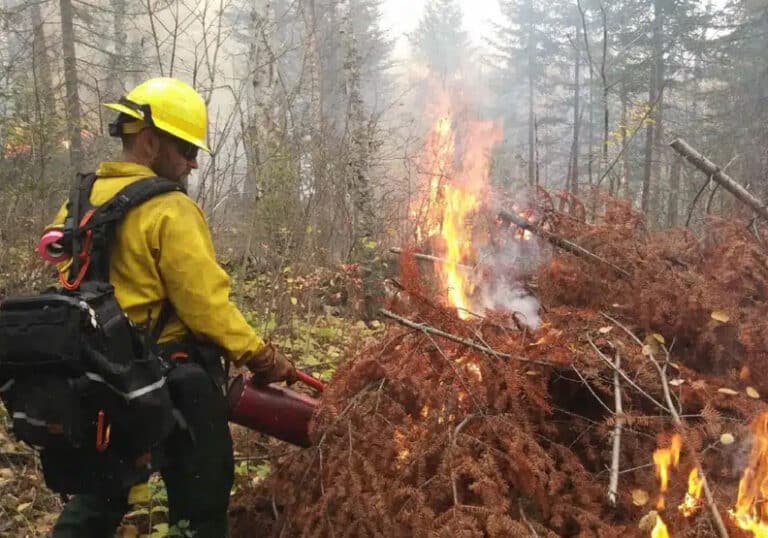
The Superior National Forest (SNF) will conduct multiple prescribed burns across the forest over the next month. They play a key role in supporting a healthy ecosystem by reducing overgrown vegetation while helping to protect nearby communities from wildfires.
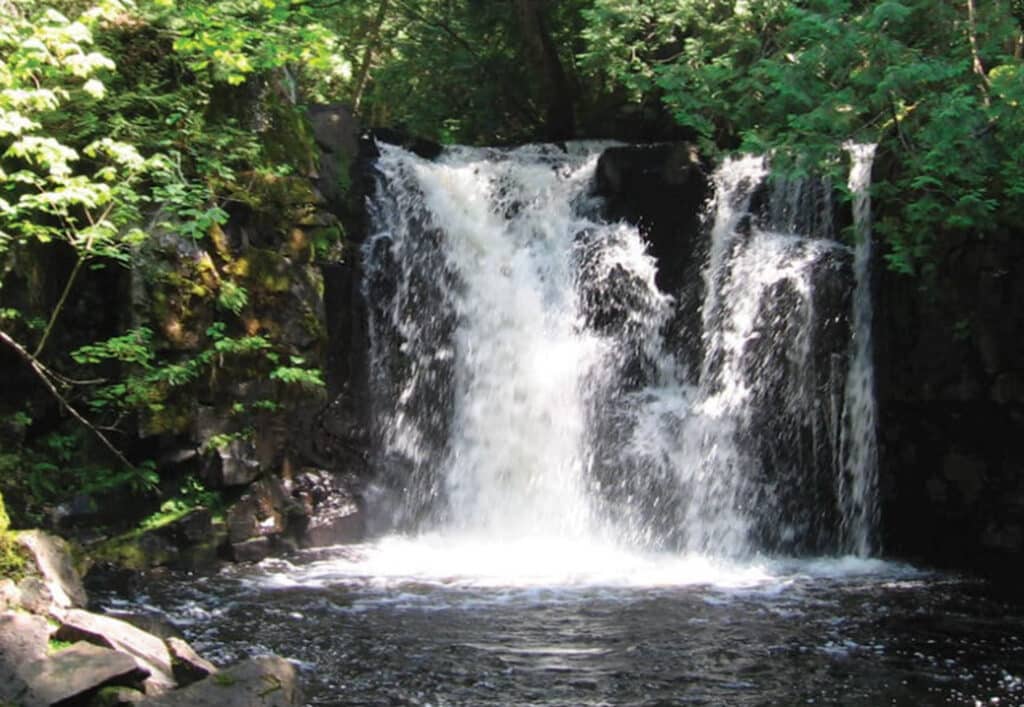
Waterfalls and cascades appear throughout many parts of the BWCAW. These natural features, often found between lakes and rivers, add excitement and beauty for paddlers and anglers exploring by canoe. Many portage trails follow these dynamic stretches of moving water. In fact, these waterfalls are a big reason portages exist in the first place.
Earlier this week, Minnesota Senator Tina Smith introduced the Boundary Waters Wilderness Protection Act, a bill that would permanently safeguard the BWCAW. If passed, it would mark a major victory for those fighting to block sulfide-ore copper mining near the wilderness in northern Minnesota.
President Trump recently signed an executive order aimed at increasing mineral production within the United States, focusing on minerals such as copper-nickel. Though the order does not specifically target regions, it could impact areas near the BWCAW, potentially challenging land protections established by the previous administration.
For Women’s History Month, we’re spotlighting women conservationists and environmental stewards who have contributed to preserving forests, wilderness areas, and cultural history in Northern Minnesota. Their efforts and activism helped shape the modern conservation movement and led the way for sustainable practices.
The Spruce budworm, native to Minnesota, has spiked in numbers as state and federal agencies, along with conservationists, are working to mitigate the issue. Repeated and sustained outbreaks, seen in dead or dying balsam fir and white spruce are a signal of poor forest health…
The Kawishiwi Ranger District is developing a forest plan to reduce the risk of wildfires near the Boundary Waters Canoe Area Wilderness and surrounding communities. The goal is to support a diverse and healthy forest, reducing combustible fuel, and to assist wildland firefighters in managing forest fires more effectively.
Two bills have been reintroduced to the legislature to address wilderness protection and mining practices near the BWCAW. Supporters of mining highlight its positive impact on local revenue and economic growth. However, opponents continue to advocate for protecting the wilderness and surrounding areas, noting that they contain some of the cleanest waters on Earth.
The Minnesota Court of Appeals sided with an environmental group over a mining expansion project along the North Shore. They ruled that the MNDNR must reconsider whether an EIS is necessary for the proposed expansion of the Mile Post 7 tailings pond. Northshore Mining is working to fulfill a permit to expand the basin just 3 miles from Lake Superior.
A plan is in place to return elk to some of their native range as early as 2026. The Fond du Lac Band of Lake Superior Chippewa, in partnership with the Minnesota DNR, plans to move 100-150 elk from northwestern MN to the Tribe’s reservation and surrounding areas in Carlton and southern St. Louis counties.
Northern Minnesota is experiencing an influx of owls this winter due to an “irruption,” a phenomenon where food availability in their usual habitat declines. This forces them to expand their range. Environmental factors, such as deep snow or limited cover, can also play a role. We’ve listed some of the top locations for spotting these quiet raptors.