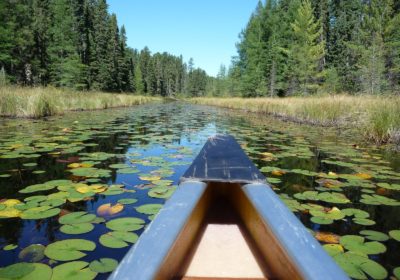
Forest Service says copper-nickel mining threatens Boundary Waters
“The environmental assessment released today provides a strong scientific foundation for a 20-year ban on copper mining near the Boundary Waters…”


“The environmental assessment released today provides a strong scientific foundation for a 20-year ban on copper mining near the Boundary Waters…”

The Minnesota Water Report looks at six major challenges to clean water in the state, including proposed copper-nickel mines, agricultural runoff, discharges from wastewater treatment facilities, water availability, wildlife habitat, and inadequate environmental rules and laws.
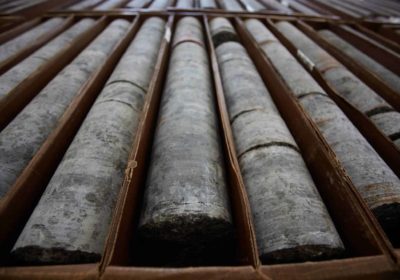
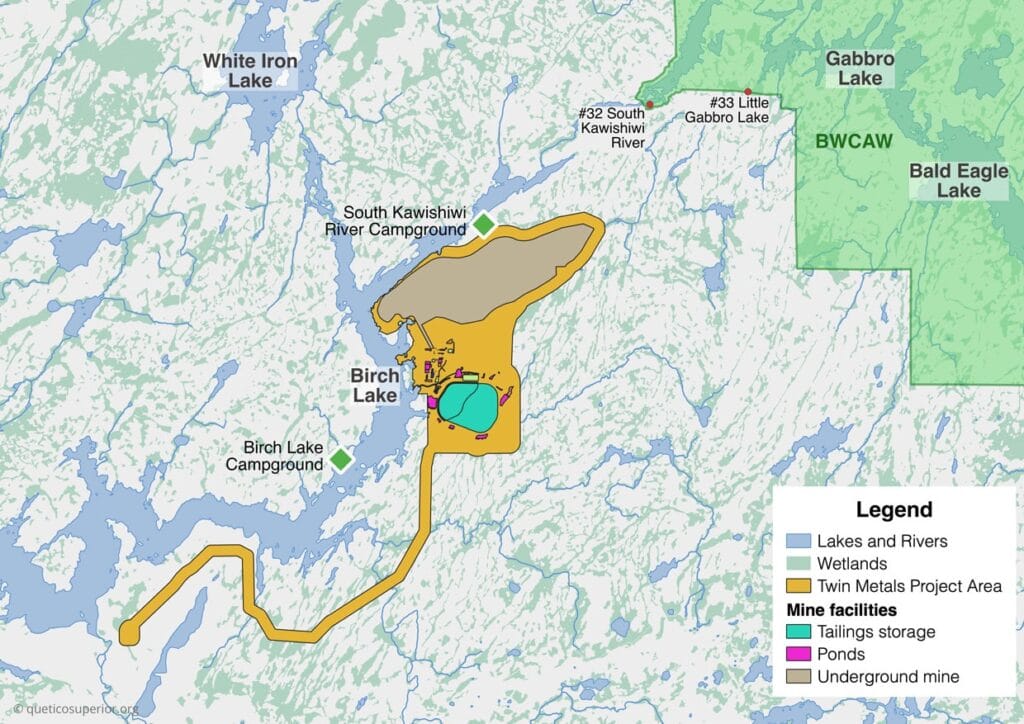
Discussions will cover proposed plan to prohibit new mining activities in locations that threaten BWCAW, if successful, the prohibition would effectively block the proposed Twin Metals mine.
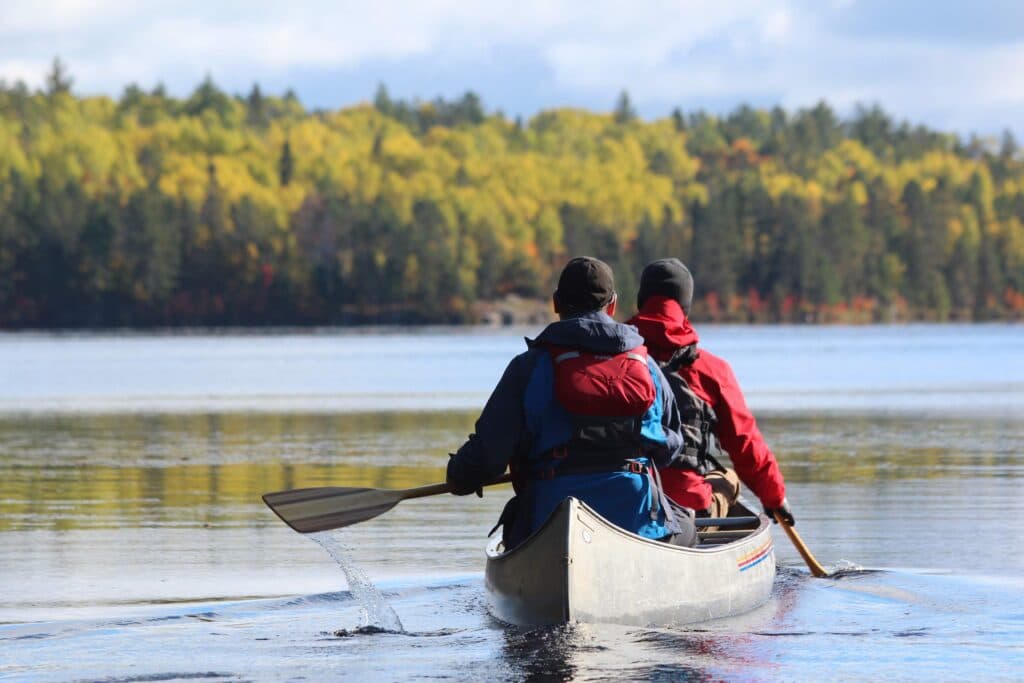
Officials with the U.S. Forest Service have taken a decisive step toward long-term protection of the Boundary Waters Canoe Area Wilderness, resuming study, could lead to 20-year mining moratorium.

A new survey finds split opinions but strong desire to prevent pollution. 61 percent of respondents said they agree mining should be prohibited…
A series of rulings has offered wins and losses for both environmental groups and mining proponents.

An influential advocate for protecting northern Minnesota’s natural treasures, instrumental in Voyageurs National Park and the Boundary Waters Canoe Area we know today.

Federal agency says state can’t leave lakes off impaired waters list simply because legislature won’t allow pollution enforcement.
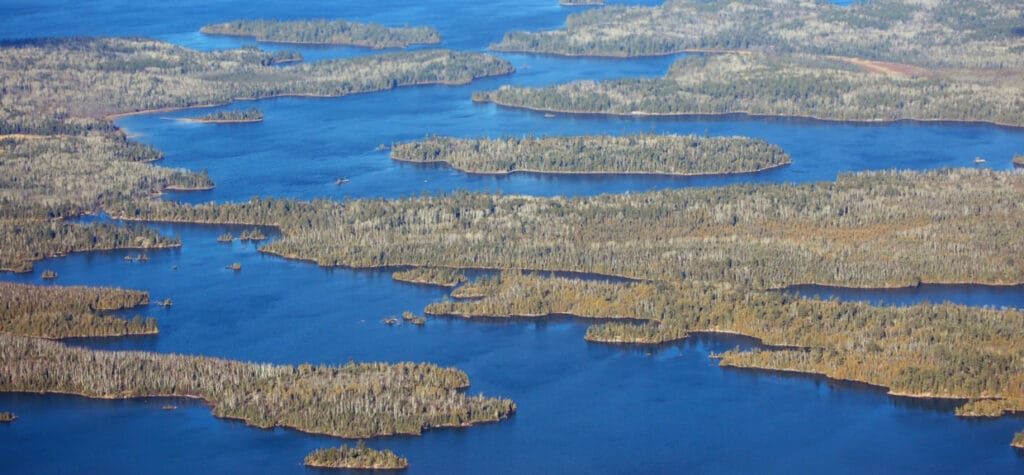
Letter requests new administration complete its analysis of whether mining can be done safely in Boundary Waters watershed.
Government attorneys, engineers, and scientists hit the brakes on both proposed mines in Minnesota’s northwoods.
First phase of effort to catch up on maintenance backlog will make repairs and improvements possible.
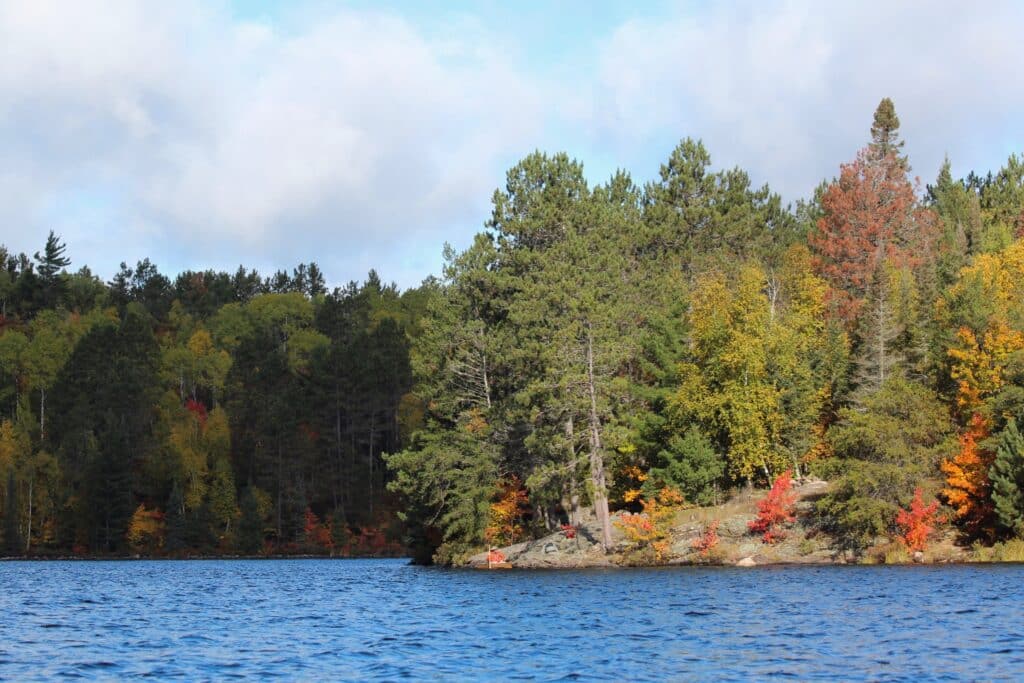
Mark Dayton: “…the only acceptable goal is permanent protection from copper mining near the Boundary Waters.”

Competing bills introduced to require or prohibit hunting season as state takes over management.

Elected officials and environmental groups roll out plans for legislation and other actions to prevent contamination.
Legislation would require high standard of evidence that a mine can be operated without polluting. “Before they put a shovel into the ground…”

Agency asks for public comments on how to spend money from the Great American Outdoors Act recently signed into law to catch up on maintenance backlog.
Groups allege company could triple size of project soon after start, violating the Clean Air Act.
Department of the Interior says iconic species has met recovery goals, while advocates say the decision is not justified, and pledge legal action.

Agency disagrees with environmental and tribal advocates who say that action is needed to save the massive mammals in canoe country.

DNR seeks public comments and participating in hearings as it revises state’s wolf plan.