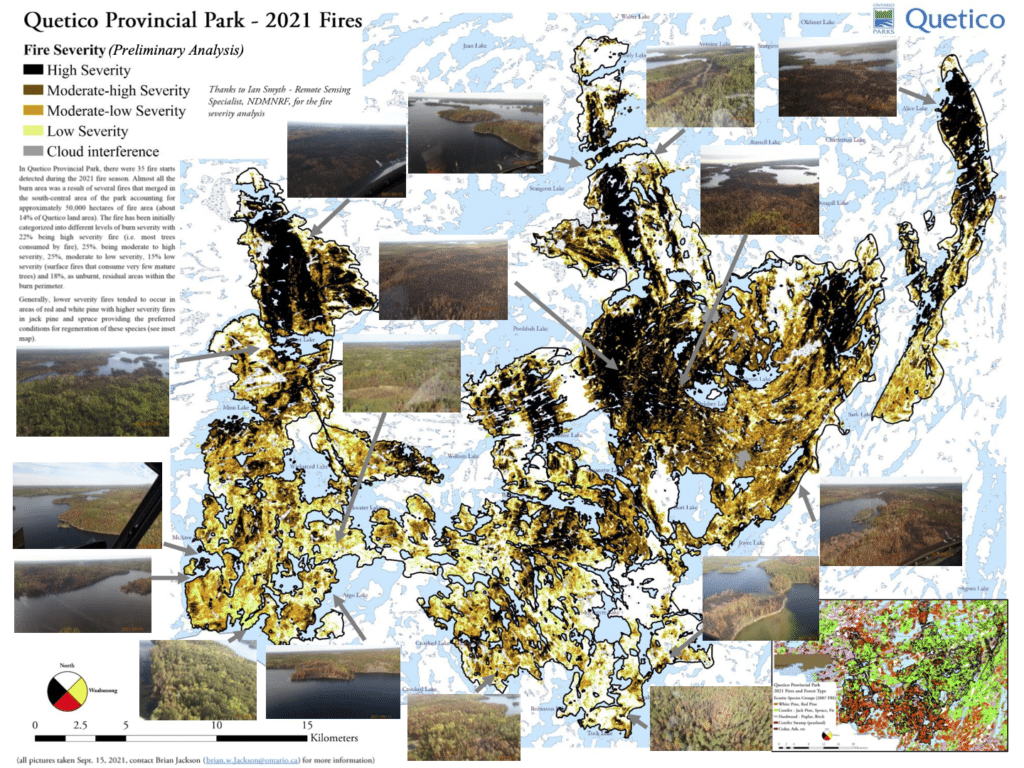
Mapping the 2021 Quetico fires: where blazes burned and where to paddle
As popular paddling destination Quetico Provincial Park reopens to Americans, maps show areas affected by major fires.
An outbreak of spruce budworms in northeastern Minnesota created conditions primed for ignition and likely fueled this summer’s wildfires.
Fire increases to over 19,000 acres creates a pyrocumulus cloud resulting in fire-created lightning, new evacuations but weather conditions could be more favorable soon.
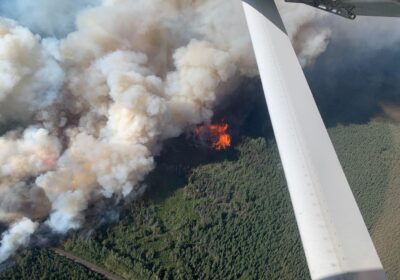
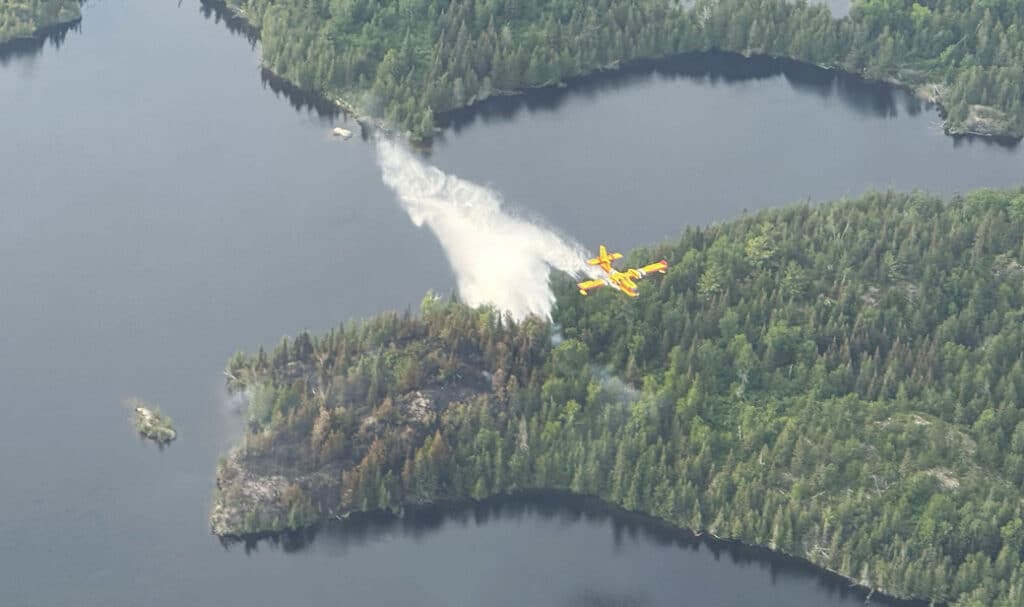
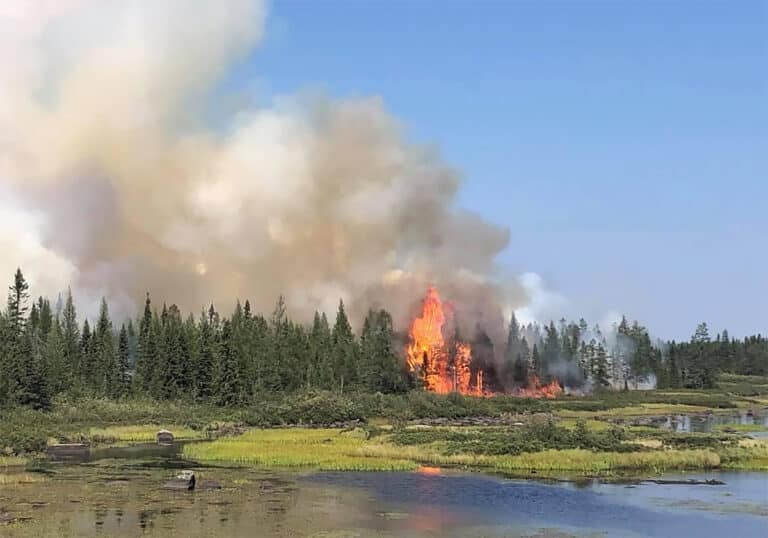
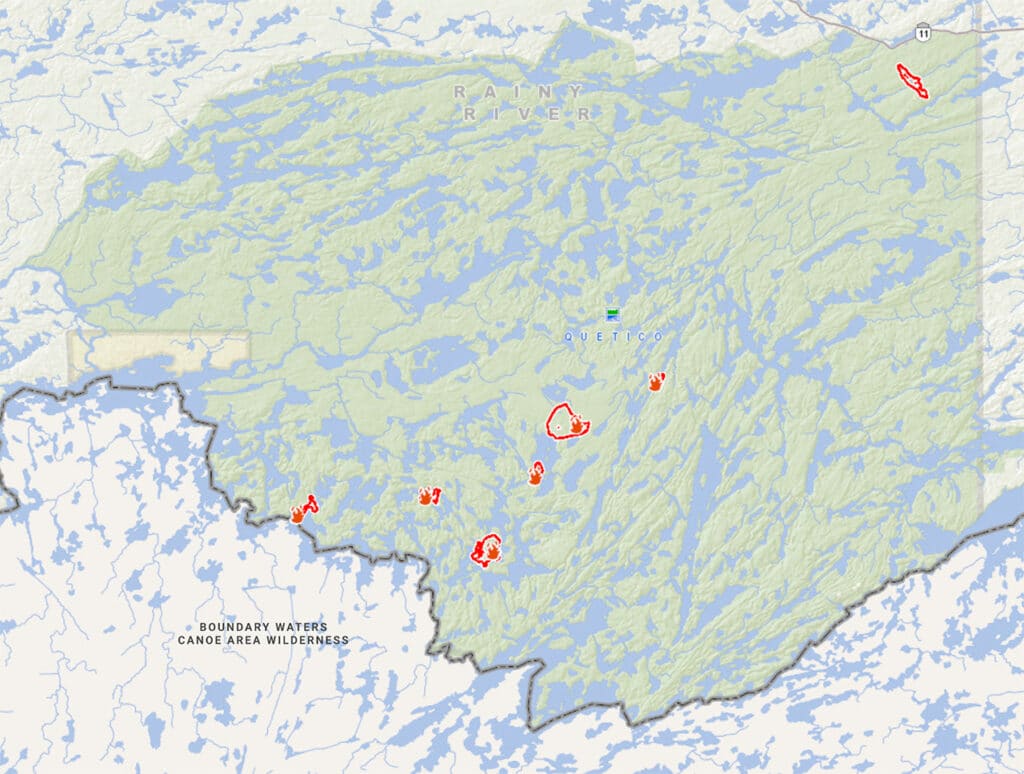
Several fires are burning in Quetico, across a large area, near the border with Minnesota.
Forest Service urges campfire caution as it fights another forest blaze ignited by Boundary Waters wilderness visitors.
Federal agency calls off all spring burning plans as officials seek to reduce connected risks of fires and health.
Fires will reduce the amount of flammable forest materials in areas hit by the 1999 blowdown, and hopefully reduce the risk that a wildfire could escape the wilderness.
Conditions are causing concerns about wildfires in northeast Minnesota, as authorities urge campers and others to exercise caution.
Forest Service officials say significant swaths of public land have been burned this spring to accomplish a variety of management goals.
Superior National Forest officials recently concluded the lengthy development of a plan to manage significant swaths of public land near and in the Boundary Waters.
“By examining annual growth rings in increment cores taken from tree trunks, we found that many pines at this site were more than 250 years old. Distinct injuries recorded within their rings denoted the passage of multiple low-severity surface fires that damaged but did not kill many of these trees…”
Lightning has started a handful of blazes on both sides of the international border, though the fires remain relatively small.
“Painting that blackened landscape really taught me how to find beauty in an otherwise not so beautiful environment. The shiny silver patterns on a charred tree or stump against a green back ground were fascinating to me….”
New research shows how moose prefer the type of forest habitat that is created by forest fires.
Measuring mercury in two different lakes before and after, and absent, fires showed fears about short-term contamination are unfounded.
In May 2007 an out of control campfire off the Gunflint Trail grew into a wildfire that burned 75,851 acres. Ten years later, the forest is at a turning point…
In May 2016, the Foss Lake Fire was caused by a prescribed burn that escaped due to a complex set of forces.
Forest Service plans four projects this fall to reduce the risk of fast-spreading natural fires.
Outdoor News editor finds new growth and a lots of evidence remaining from the 140-square-mile fire.
Foss Lake Fire was lit by Forest Service but escaped containment and has caused the closure of one wilderness entry point.