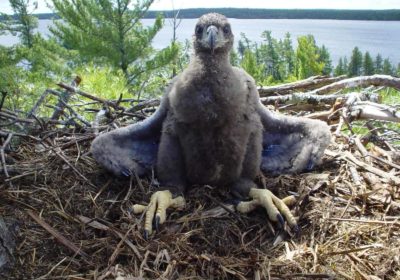
Protecting bald eagle nests in Voyageurs National Park has big payoffs for population recovery
Study says buffer zones around nests improve breeding success and overall numbers, contributing to recovery of the iconic species.

Study says buffer zones around nests improve breeding success and overall numbers, contributing to recovery of the iconic species.
New study predicts that an average of 25 percent of bird species in America’s National Parks will change due to global warming.
Managers respond to disappearance of wolves from the wild island in Lake Superior, letting moose population explode with
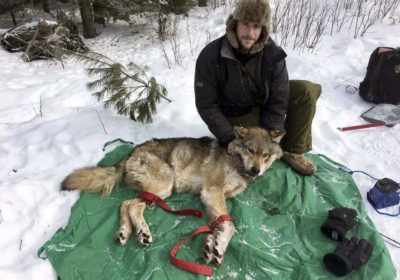
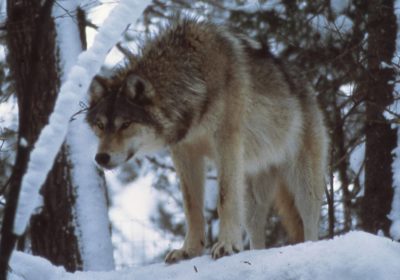
Imagine a wolf kill, and the remains of an ungulate—a hoofed animal like a moose—probably come to mind. Yet scientists have known for some time that wolves also eat smaller prey, like deer fawns and beavers. This is particularly true during summer, when wolf packs primarily hunt and travel as individuals or pairs.
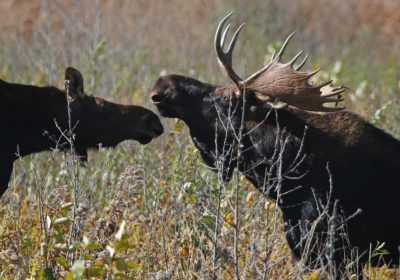
The latest estimate is about one-third of their peak population, but has quit shrinking over the past several years.
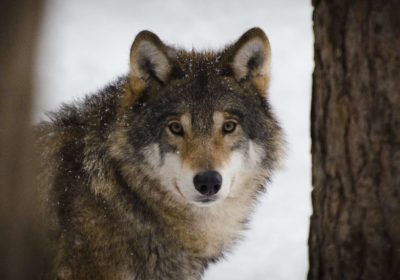
Growing wolf populations reduce moose calf survival, while fewer moose mean hard times for their primary predators.
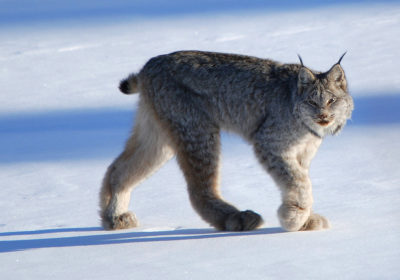
Fish and Wildlife Services says recent studies show sustainable populations, and initiates process to take them off the list of endangered species.
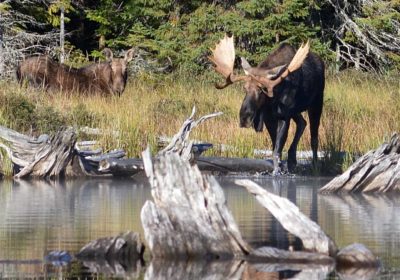
The iconic animals appear to be following in the footsteps of Minnesota’s as their habitat is degraded and the climate warms.
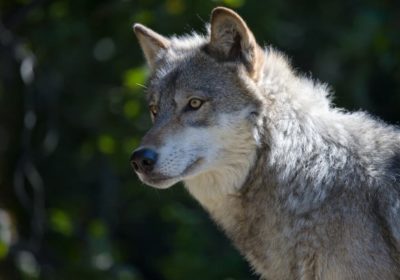
The latest estimate of the wolf population has increased significantly due to more and more whitetail deer living in wolf territory.
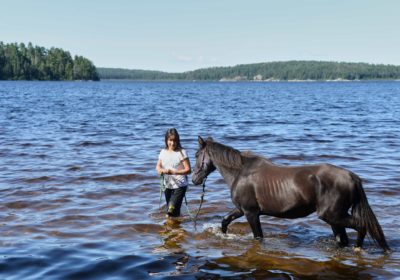
Anishinaabe people historically worked with the semi-wild horses for winter transportation.
Biologists have used DNA analysis to determine that the threatened cats are more common than previously thought.
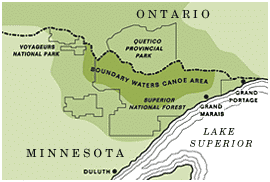
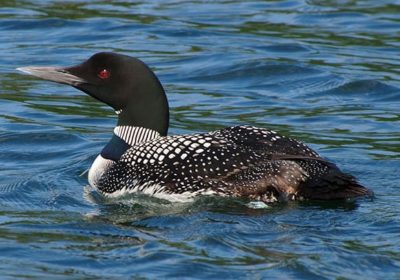
The loon’s famous song, echoing across wilderness lakes, makes solitude audible. It simply sounds like wilderness. Many other bird species also find the habitat they need to breed amid the forests, lakes, rivers, and wetlands of the Boundary Waters, giving unique voice to the wild landscape. Here, a tongue of Canada’s boreal forest creates ideal conditions for an array of bird species—for a few months each year.
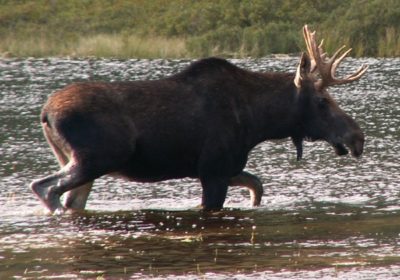
The federal government has agreed to consider protecting the iconic animals as their population continues to plummet.
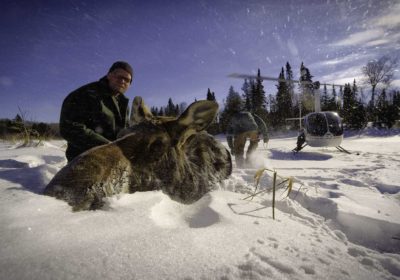
Nature documentary follows mother moose and calf in Canada, and accompanies researchers from Grand Portage, MN.
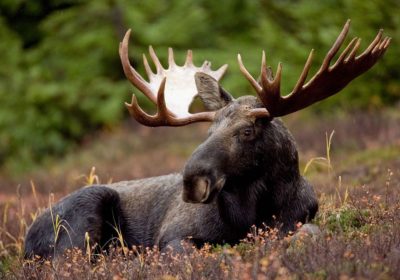
Request seeks Endangered Species Act listing for dwindling population in Great Lakes region.
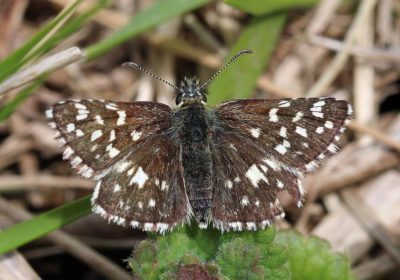
Restoring an open meadow near Two Harbors has successfully preserved habitat for several species.
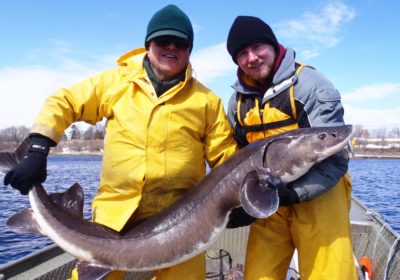
The ancient species is returning, thanks to careful management and cleaner water.
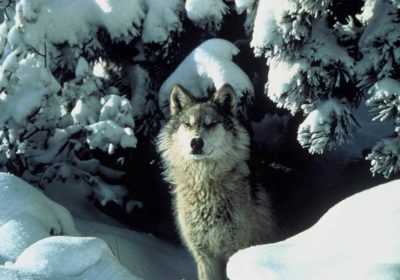
After three years of contentious state management, wolves are once again protected by the Endangered Species Act.
In one of the most innovative moose research studies ever, in May of 2013, 49 moose calves in northeast Minnesota were fitted with GPS transmitting collars. Just four months later at …
As has been reported in Wilderness News Online, the moose population in northeast Minnesota has dropped from 8,800 moose in 2006 to 2,760 in last winter’s survey. Even more alarming is …