Campfires ban in the Boundary Waters Canoe Area Wilderness lifted
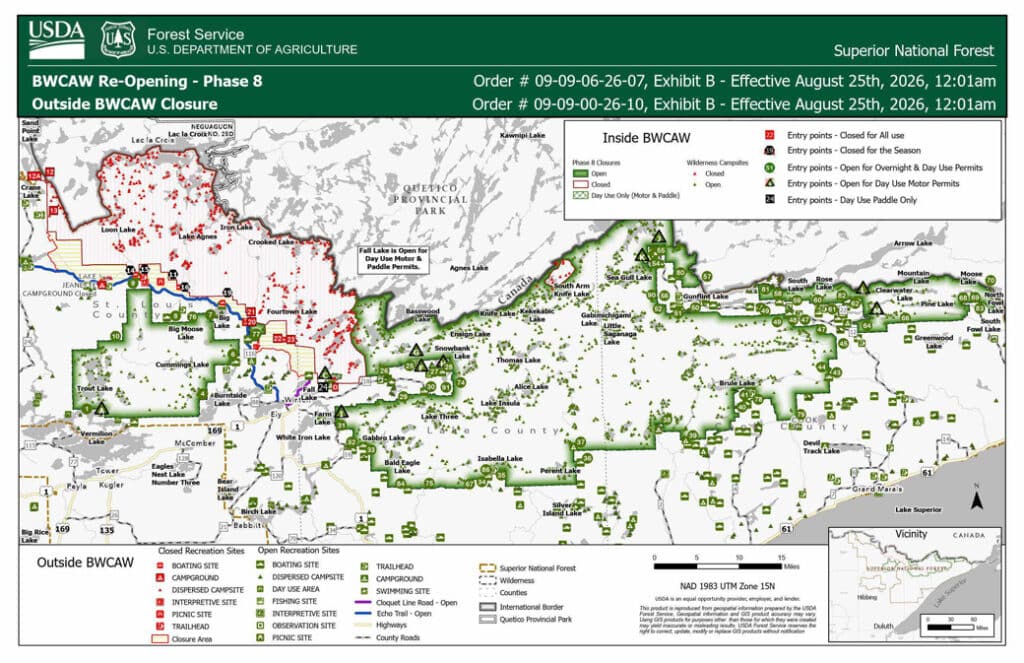
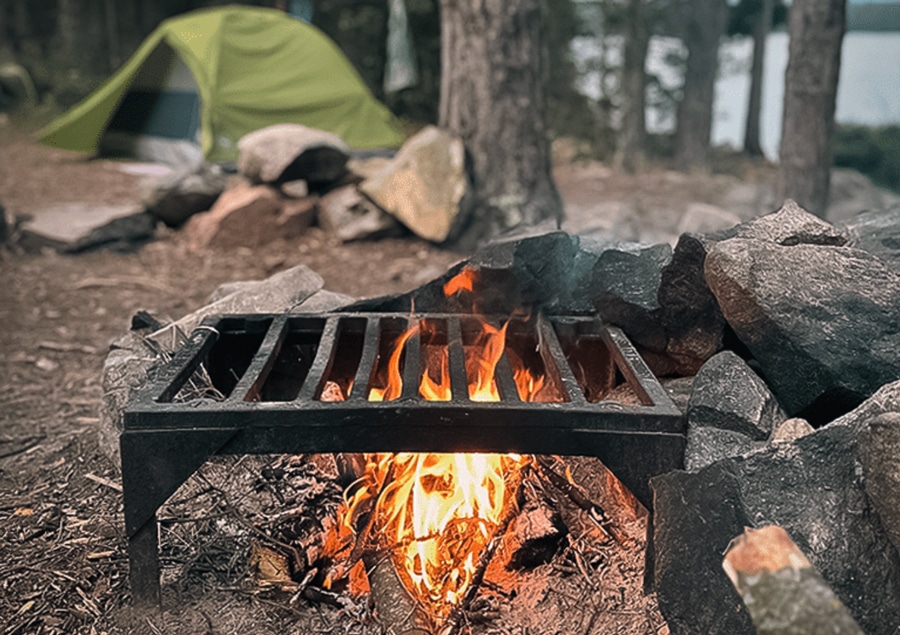
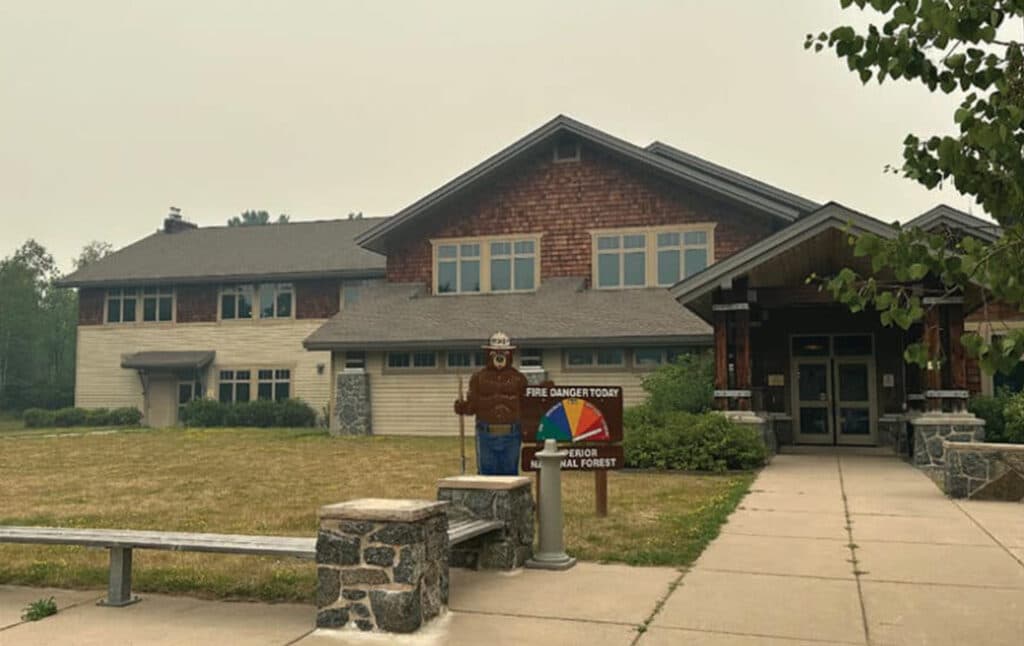
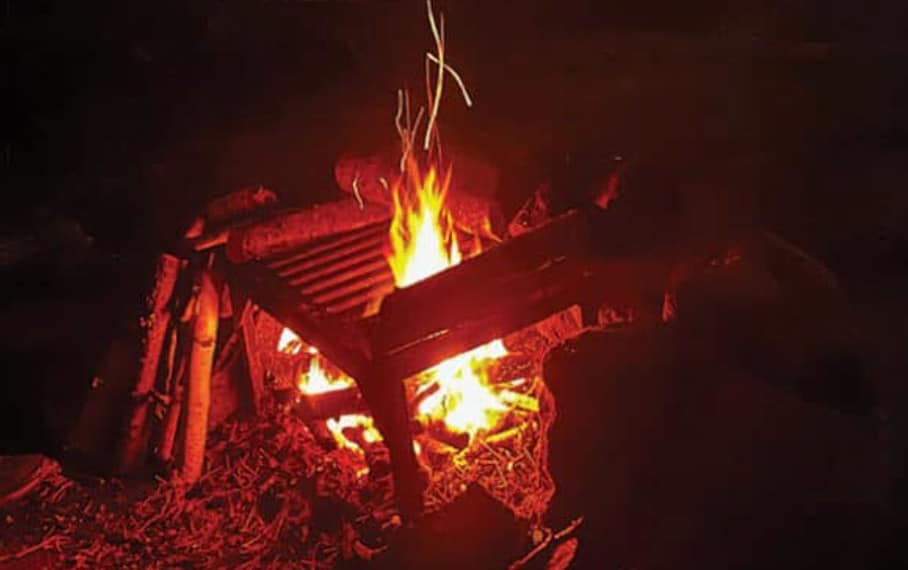
The USFS announced that the ban on campfires in the BWCAW would be lifted as of June 12. The restriction was announced due to dry conditions and elevated wildfire risk.
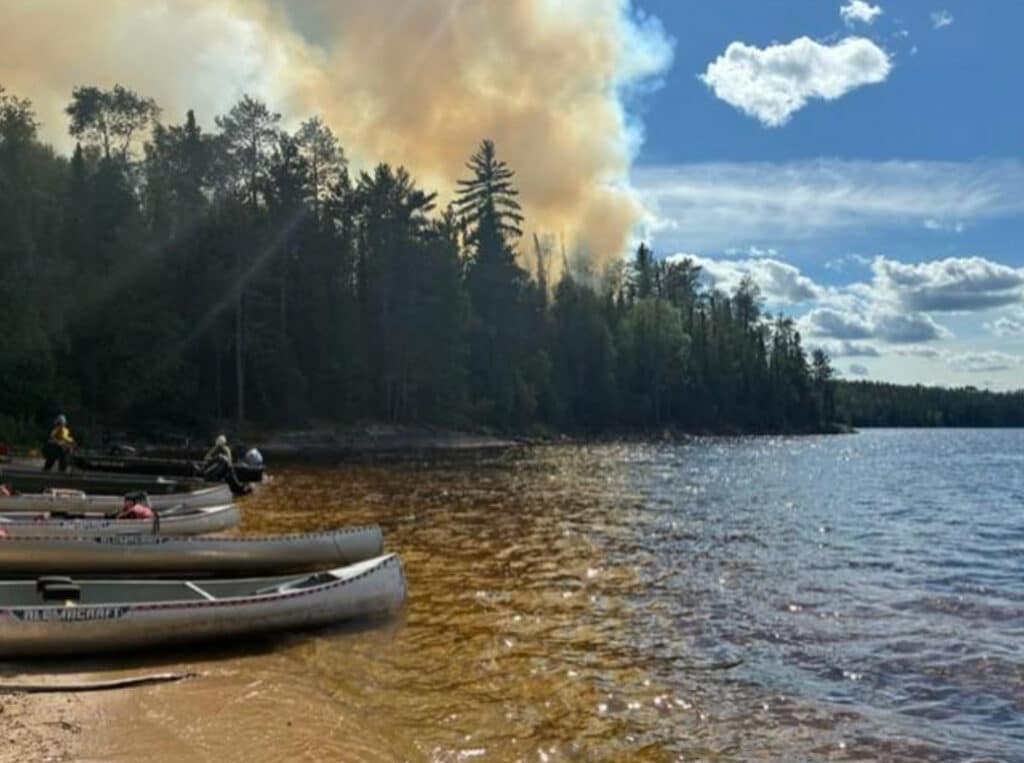
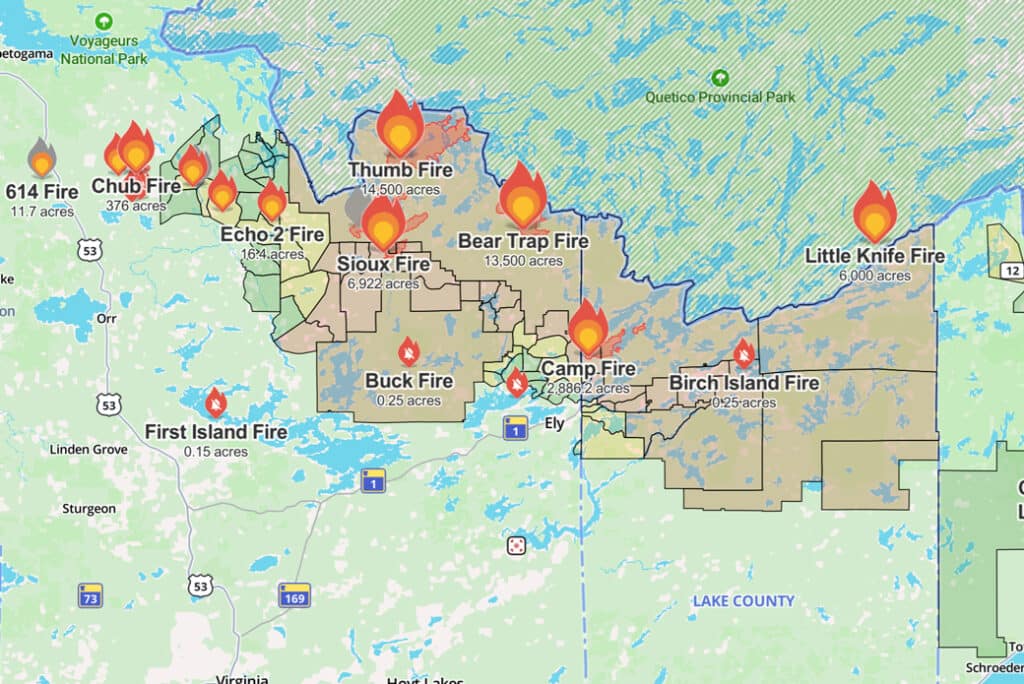
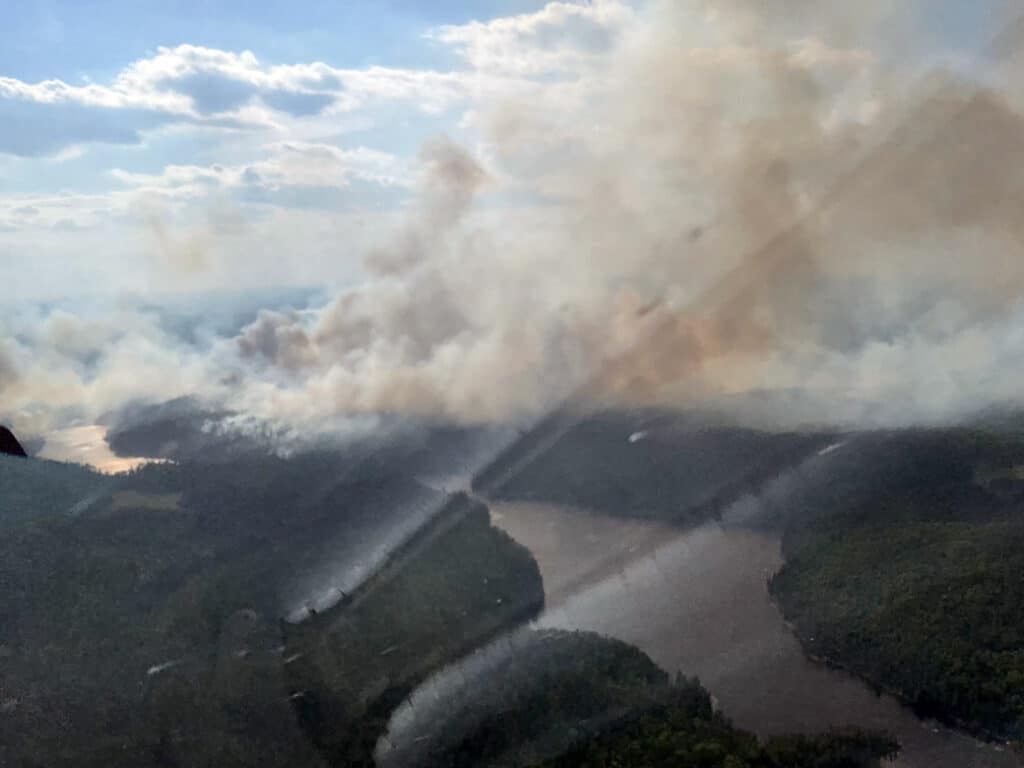
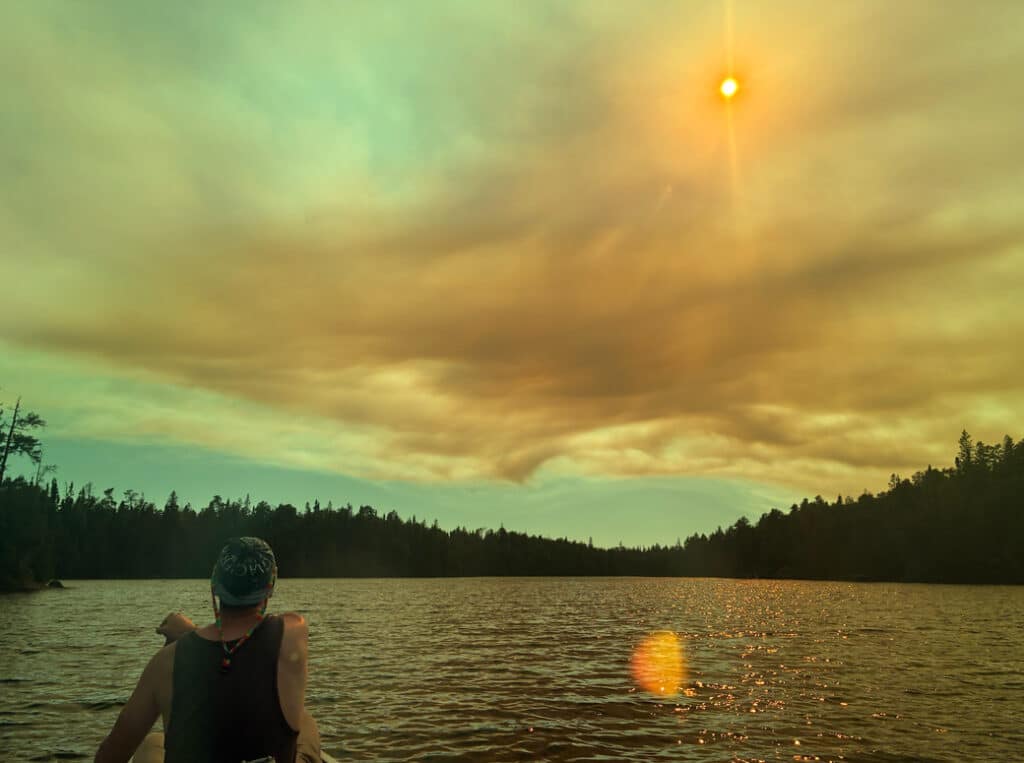
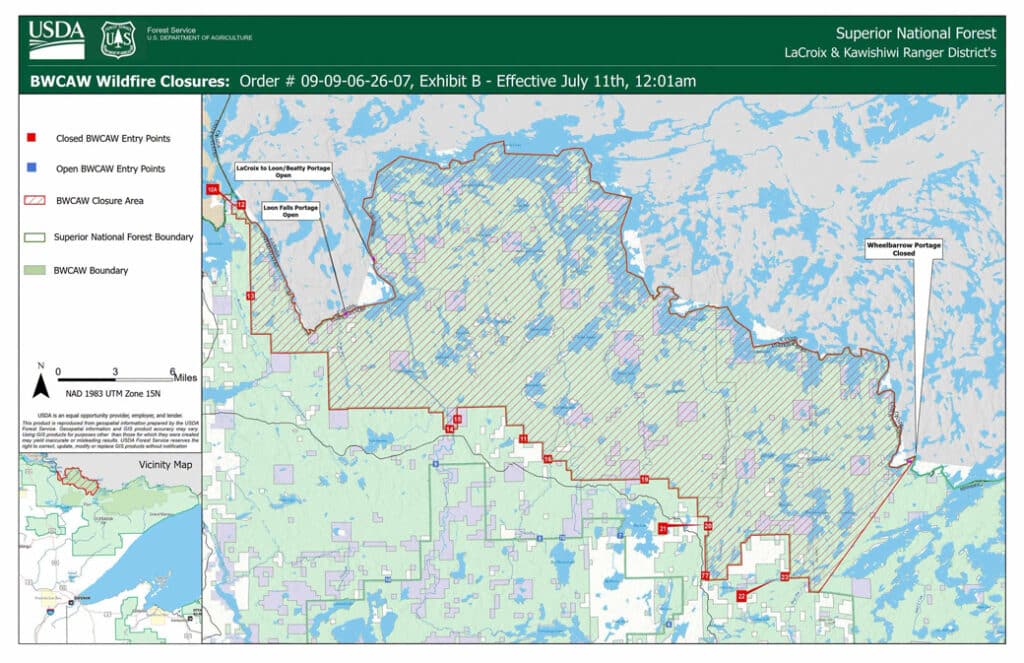
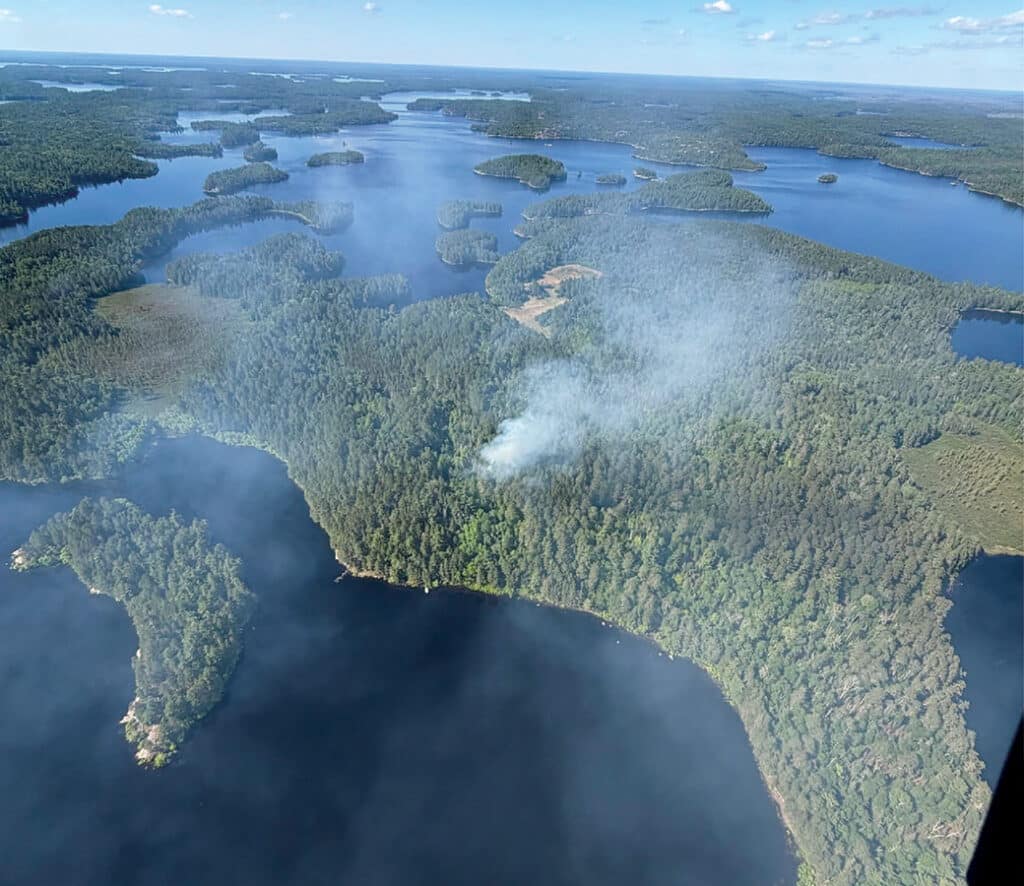
Three new wildfires ignited in the BWCA due to storms that passed through the area on Thursday, June 4. The Superior National Forest said that crews have been working on management and suppression techniques. The wilderness campfire ban will remain in effect through June 30.
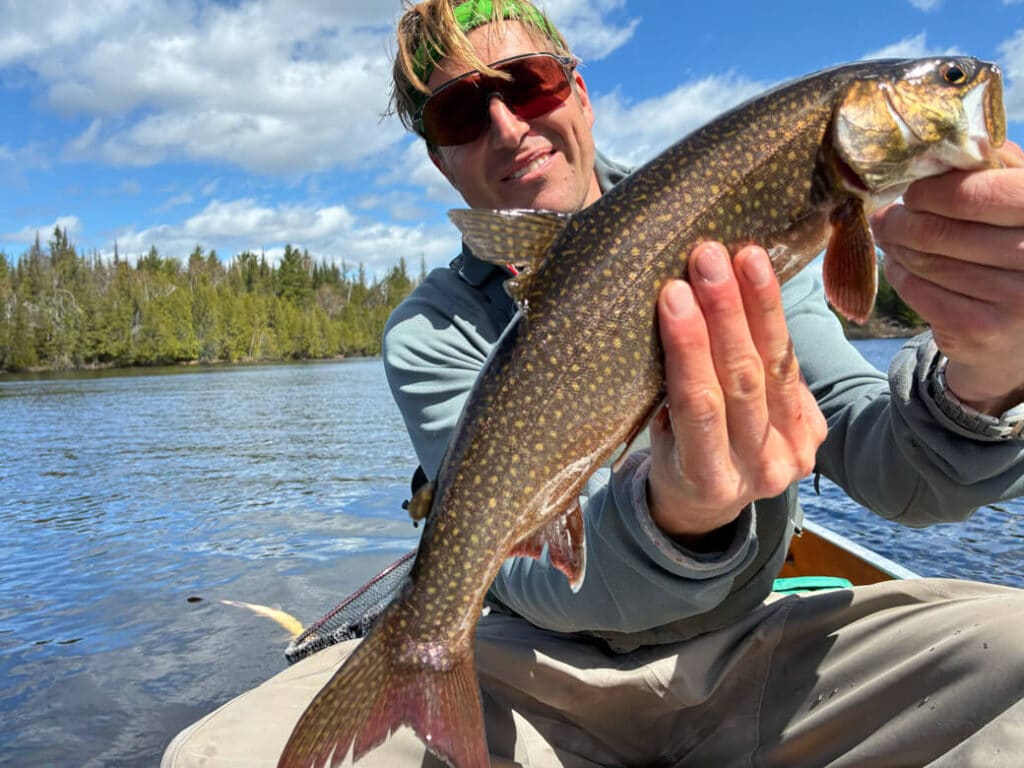
What’s more demoralizing to a wilderness canoe tripper than a 30-mph headwind? Facing a grueling 12-hour battle across the Boundary Waters, Chris Pascone pushes his limits to reach Ogishkemuncie Lake. Along the way, he discovers the power of camaraderie, and the fascinating secret behind Ogish’s famous “red-flesh” lake trout.
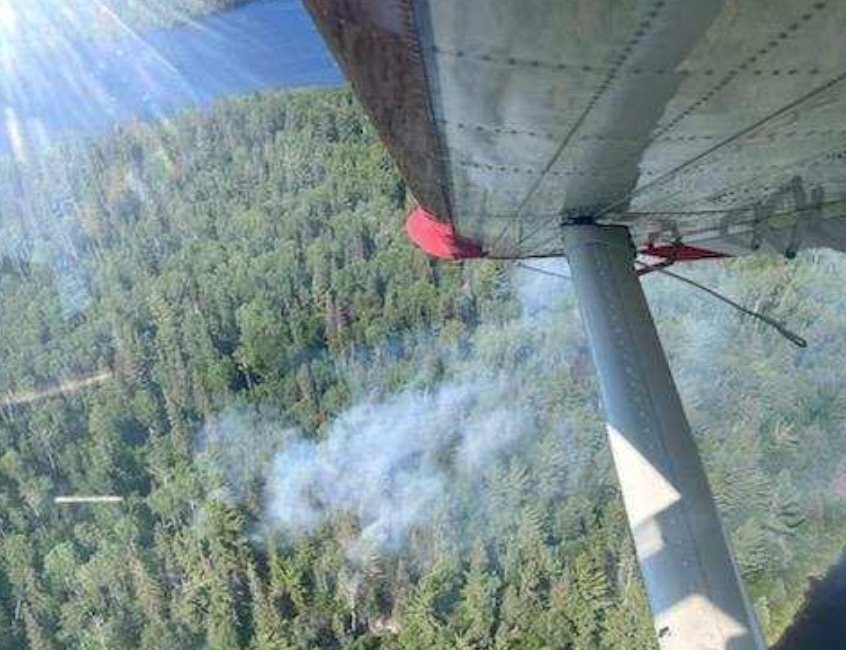
A wildfire broke out on the afternoon of June 1 near Burntside Lake. Driven by hot, dry conditions and light southeast winds, it spread quickly to an estimated 30 acres by evening.
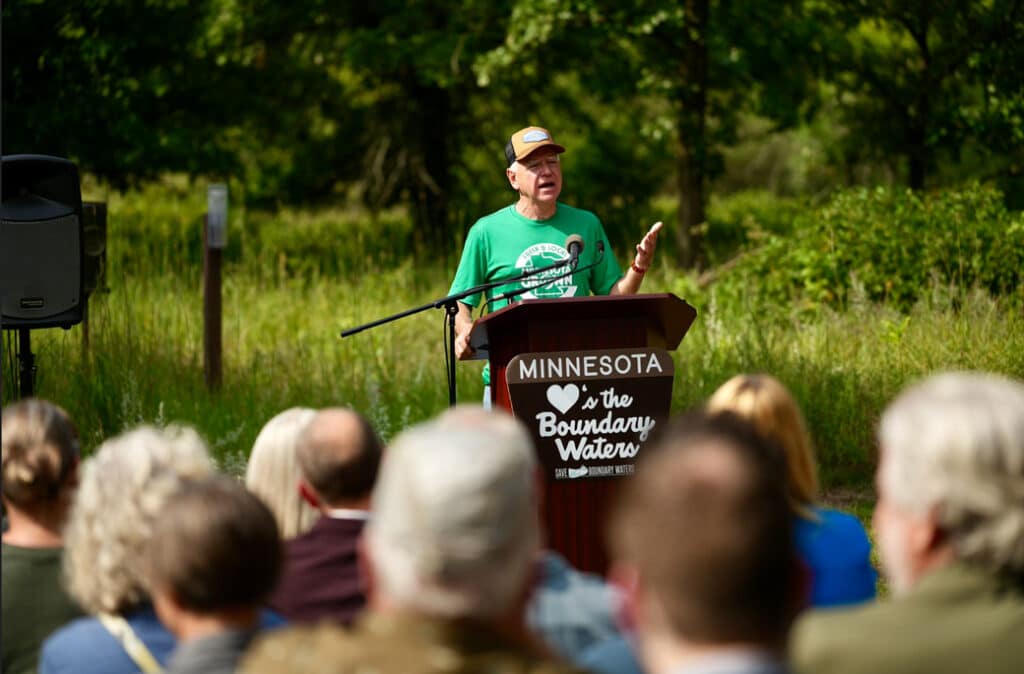
Friends of the Boundary Waters lost over a million dollars for its youth program after the state voted to eliminate the funding. Lawmakers said the organization should not receive public funds because it also engages in anti-mining advocacy.
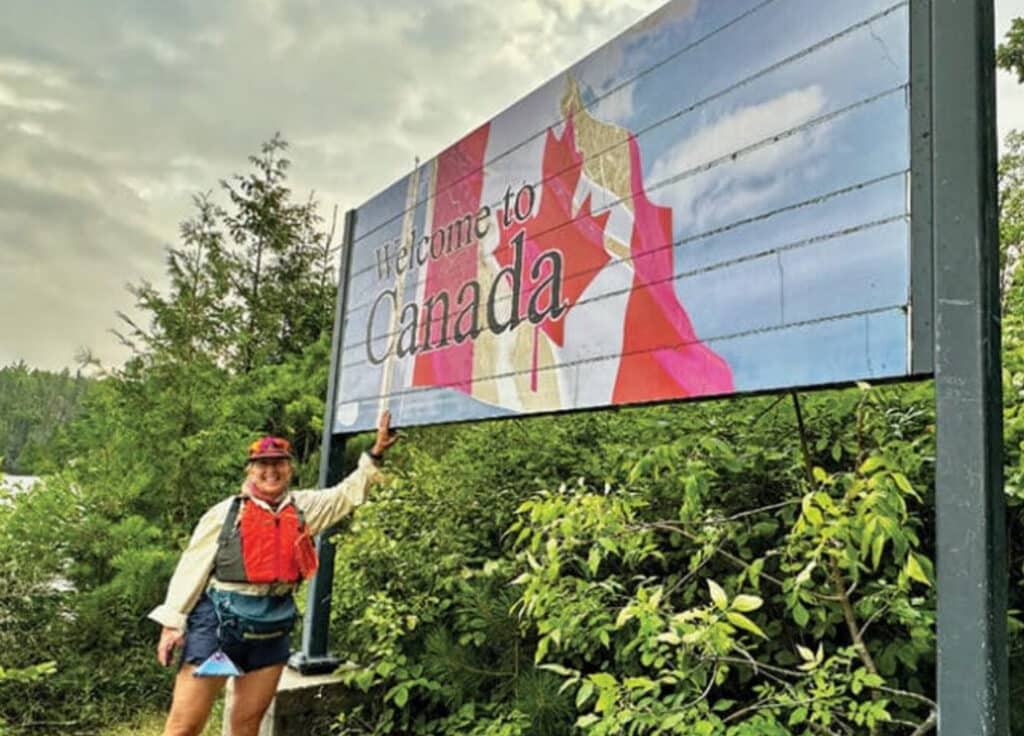
Starting June 8, the Cache Bay and Prairie Portage ranger stations are expected to implement a new telephone reporting system for paddlers entering Quetico Provincial Park in Canada. Visitors will be able to use the stations’ Wi-Fi to report their entry.
Bugs are a fixture of the northern Minnesota landscape, chasing bare-legged campers into their tents as the sun sets. As early as March, they can begin to appear, starting with ticks. By June, black flies, gnats, and mosquitoes are common. Find our top tips to beat the bugs or at least co-exist safely with them.
The Forest Service has published its latest permit and visitor-use report for the Boundary Waters Canoe Area Wilderness (BWCAW). While visitor numbers remain about the same, cancellations and no-shows continue to rise.
Spring in the Boundary Waters offers unmatched solitude and the first signs of life, but the beauty hides a deadly risk: water temperatures that linger in the 40s and 50s long after ice-out. An experienced guide shares tips to help stay safe, warm, and prepared for the unpredictable conditions of a BWCAW shoulder-season adventure.
In a narrow 50-49 vote, the U.S. Senate passed H.J. Res. 140, effectively overturning a 20-year moratorium on mineral leasing in the Superior National Forest. The move clears a major federal hurdle for the proposed Twin Metals copper-nickel mine.
Each spring, the Forest Service plans prescribed burns throughout the Superior National Forest. The work is expected to begin this month and, depending on conditions, will go through June. This is done annually to help safeguard communities from wildfires and reduce fuel loads. See which areas are scheduled for burning.
Experience Minnesota’s dark skies during International Dark Sky Week, April 13-20. Minnesota is home to two certified dark-sky sanctuaries – the BWCAW and Voyageurs National Park.
When the ice will be out on Boundary Waters lakes? Using scientific and historical data, an online thaw tracker provided by the Minnesota Sea Grant helps estimate when ice will disappear from Minnesota lakes.
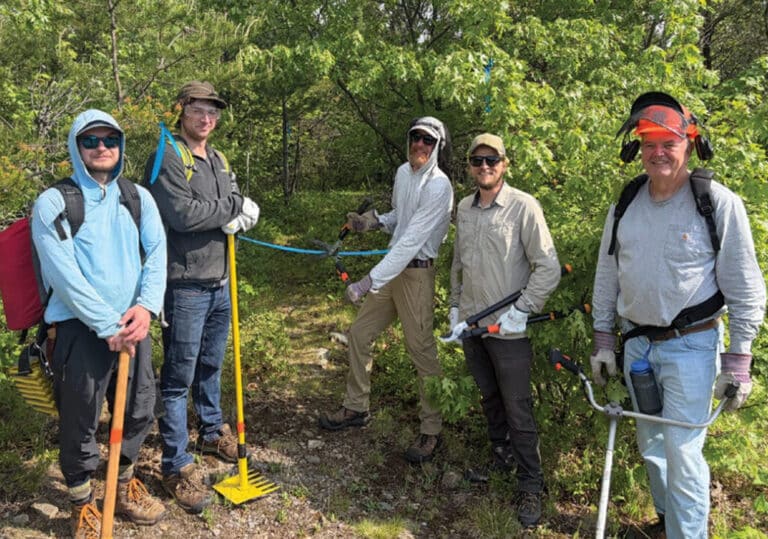
From the successful restoration of the fire-ravaged Powwow Trail to an ambitious new project rebuilding boardwalks on the popular Eagle Mountain Trail, BWAC volunteers are the boots on the ground keeping wilderness paths open. Crews paddle or hike in, and use traditional hand tools to clear deadfalls and protect the trail experience for thousands of hikers.
Moose populations continue to be stable, according to the most recent survey by the Minnesota DNR. The state, along with tribal, federal, county, and other partners, plans to implement a new, long-term plan to improve moose habitat across three counties and 50,000 acres.
It’s no secret that Minnesota has a lot of lakes—the DNR has listed 11,842 of them. Although Lake Superior is the deepest overall, Saganaga Lake in the BWCA ranks as the deepest natural inland lake. Its easy access draws all kinds of adventure-seekers to its cool, clean waters each summer.
The fight to protect the Boundary Waters has reached a critical turning point. Following a Day of Action at the Minnesota State Capitol, all eyes are now on the U.S. Senate…
Most people think of Quetico as a paddler’s paradise with over 1 million acres to explore. But the land has played an important role in the lives of the Anishinabeg people for thousands of years, as they lived, hunted, and travelled in the region, and continue to do so.
Minnesotans have become increasingly interested in winter camping, particularly in the BWCA. But, as in other seasons, it’s essential to minimize your impact and practice good etiquette. We’re sharing both written and unwritten guidelines to help everyone enjoy a positive experience while protecting the natural environment.
The Trump administration and Rep. Pete Stauber are using the Congressional Review Act in an unprecedented effort to undo a 20-year mineral leasing withdrawal in the Superior National Forest. Critics warn the move sets a dangerous precedent and threatens the Boundary Waters watershed.