Dark Sky Week emphasizes more stars, less light pollution
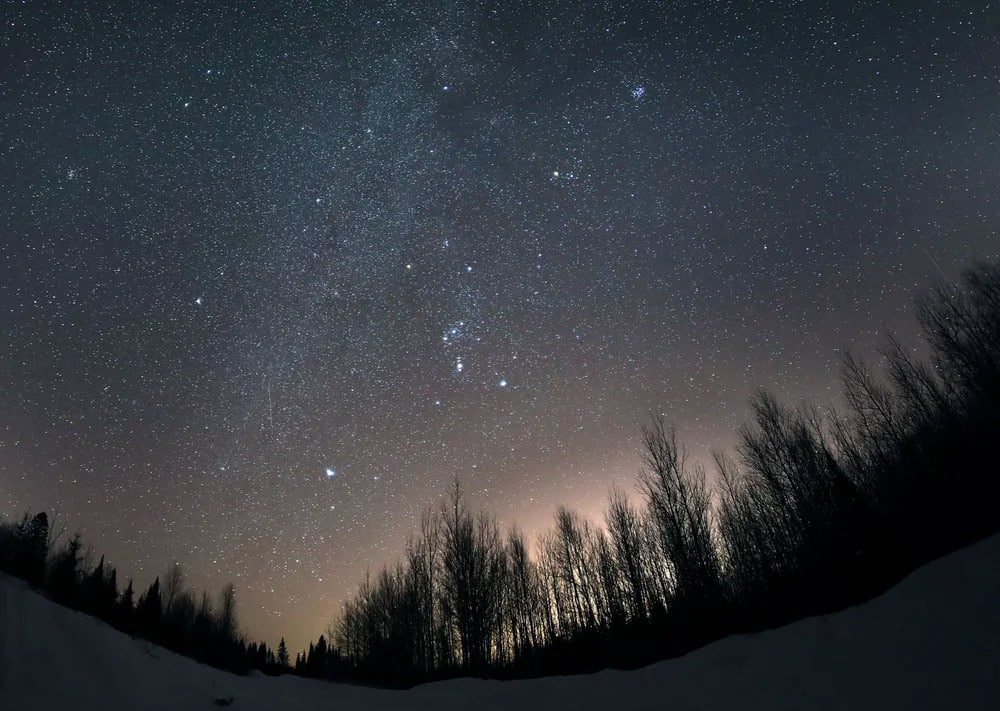
Experience Minnesota’s dark skies during International Dark Sky Week, April 13-20. Minnesota is home to two certified dark-sky sanctuaries – the BWCAW and Voyageurs National Park.
The U.S. Forest Service recently announced that it will move its headquarters to Salt Lake City, Utah. The move is part of a broader restructuring of the agency. Closer to home, two research and development facilities in Ely and Grand Rapids are slated for closure. We reached out to the Superior National Forest to learn what this may mean for the national forest.
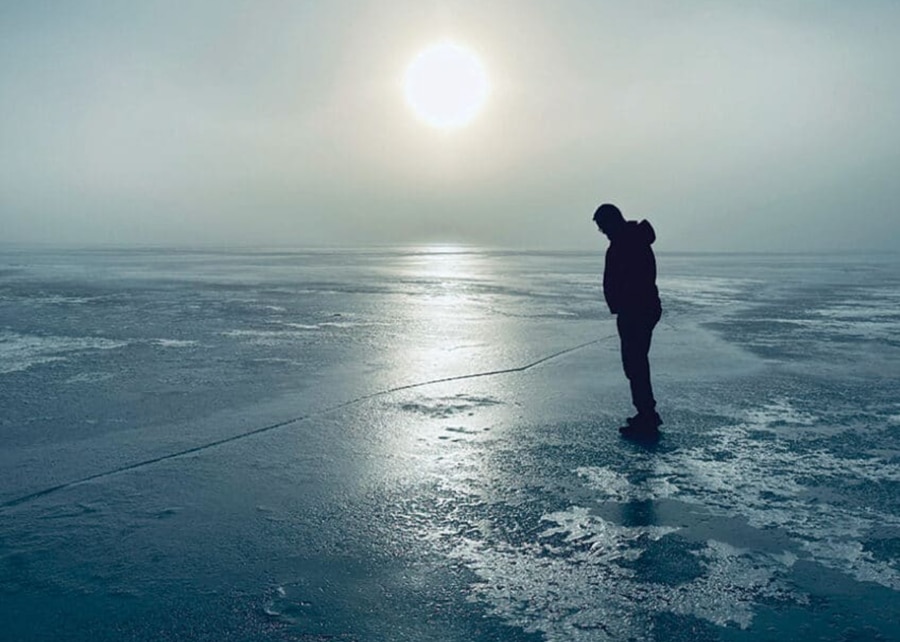
When the ice will be out on Boundary Waters lakes? Using scientific and historical data, an online thaw tracker provided by the Minnesota Sea Grant helps estimate when ice will disappear from Minnesota lakes.
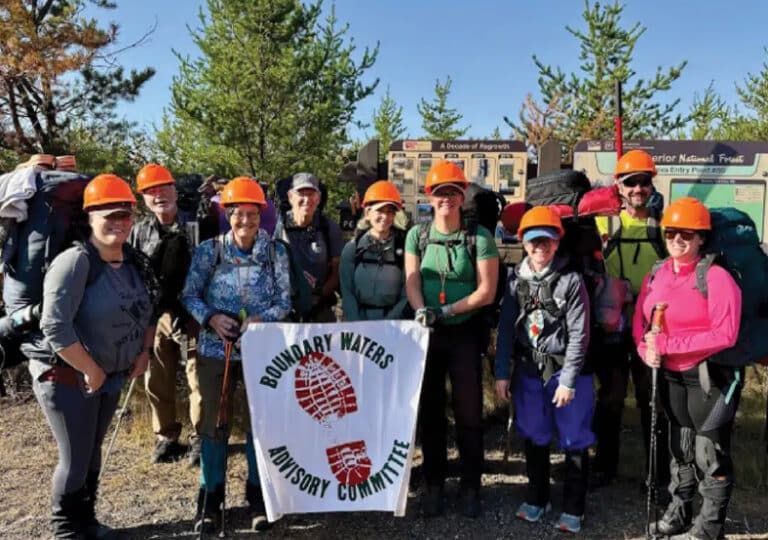
From the successful restoration of the fire-ravaged Powwow Trail to an ambitious new project rebuilding boardwalks on the popular Eagle Mountain Trail, BWAC volunteers are the boots on the ground keeping wilderness paths open. Crews paddle or hike in, and use traditional hand tools to clear deadfalls and protect the trail experience for thousands of hikers.
Moose populations continue to be stable, according to the most recent survey by the Minnesota DNR. The state, along with tribal, federal, county, and other partners, plans to implement a new, long-term plan to improve moose habitat across three counties and 50,000 acres.
One of Minnesota’s most scenic and longest hiking trails turns 40 this year. The Superior Hiking Trail began as a grassroots effort by hiking enthusiasts who wanted to create a long-distance trail in the state. The trail, which loosely follows the rocky spine overlooking Lake Superior, is popular with hikers who explore it each season.
Three important parcels of land totaling 87 acres that originally belonged to the Grand Portage Band of Chippewa in northern Minnesota have been returned. The agreement was reached through a collaboration with the Lloyd K. Johnson Foundation and the Minnesota Land Trust. Although the land was lost through questionable actions, the Band sees this as a hopeful step towards restoration.
Sax-Zim Bog in Minnesota is a unique place where species thrive that you won’t find elsewhere in the U.S. In spring, myriad birds seek varied habitats to nest or rest briefly during migration. Visitors can come and witness this spectacular seasonal movement.
It’s no secret that Minnesota has a lot of lakes—the DNR has listed 11,842 of them. Although Lake Superior is the deepest overall, Saganaga Lake in the BWCA ranks as the deepest natural inland lake. Its easy access draws all kinds of adventure-seekers to its cool, clean waters each summer.
“We really are being welcomed into the hospitality of a community of earth, plants, and animals…” Step into the changing seasons with a new book by Mary Casanova and read our exclusive Q&A with Duluth artist Jordan Sundberg on finding inspiration in the forest.
Most people think of Quetico as a paddler’s paradise with over 1 million acres to explore. But the land has played an important role in the lives of the Anishinabeg people for thousands of years, as they lived, hunted, and travelled in the region, and continue to do so.
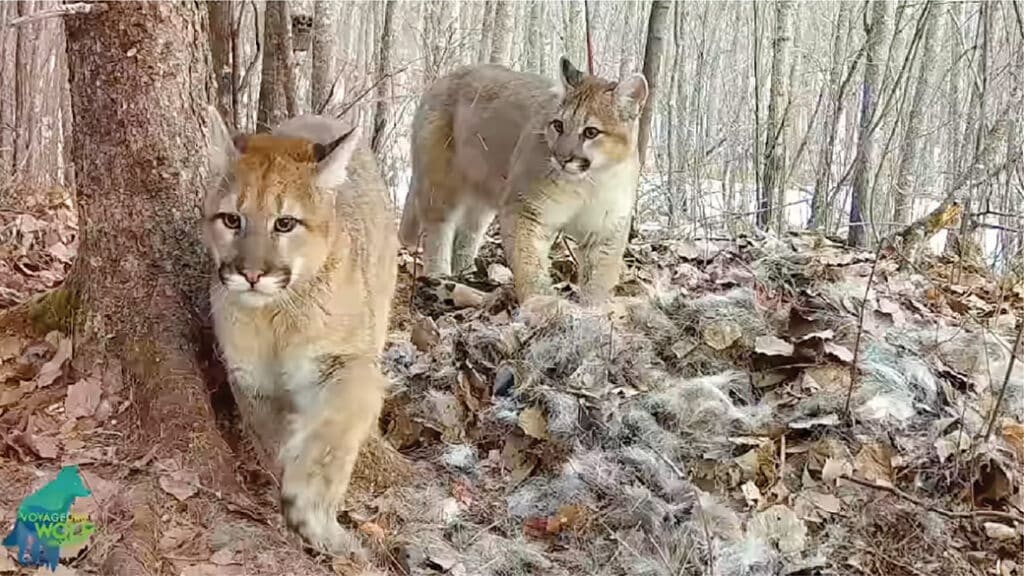
For decades, wildlife biologists assumed that because the snowshoe hare population was down in Voyageurs National Park, it was unlikely any lynx were reproducing in the area, until now. In trail cam footage, researchers spotted two lynx kittens being trailed by their mother. This sighting is encouraging as it means that the rarely seen animals are finding prey in the southernmost areas of their range.Â
The Minnesota DNR is seeking public comment on the state’s Lake Superior Coastal Program. They have provided a draft plan that evaluates the program’s effectiveness and suggests priorities for future improvements. …
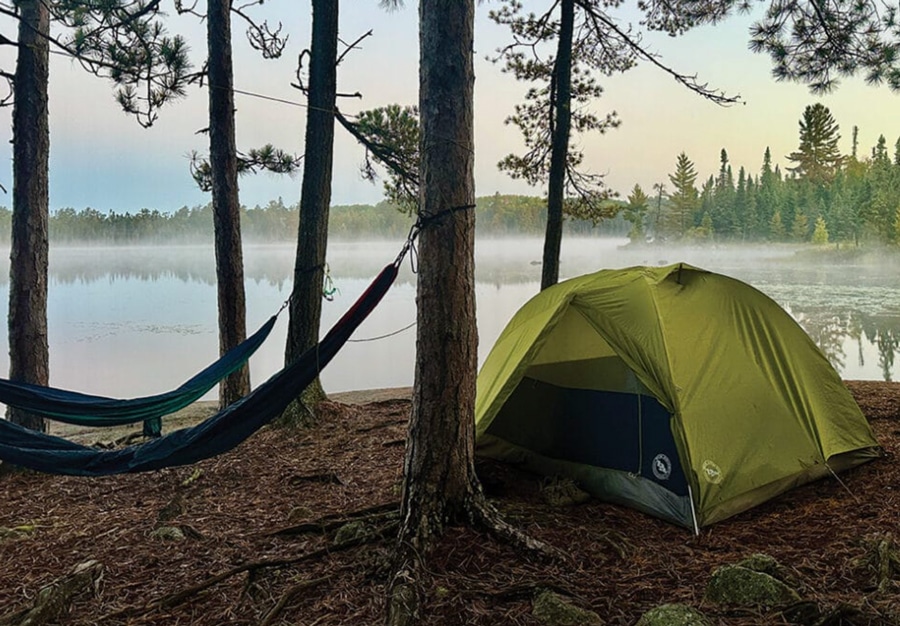
Minnesotans have become increasingly interested in winter camping, particularly in the BWCA. But, as in other seasons, it’s essential to minimize your impact and practice good etiquette. We’re sharing both written and unwritten guidelines to help everyone enjoy a positive experience while protecting the natural environment.
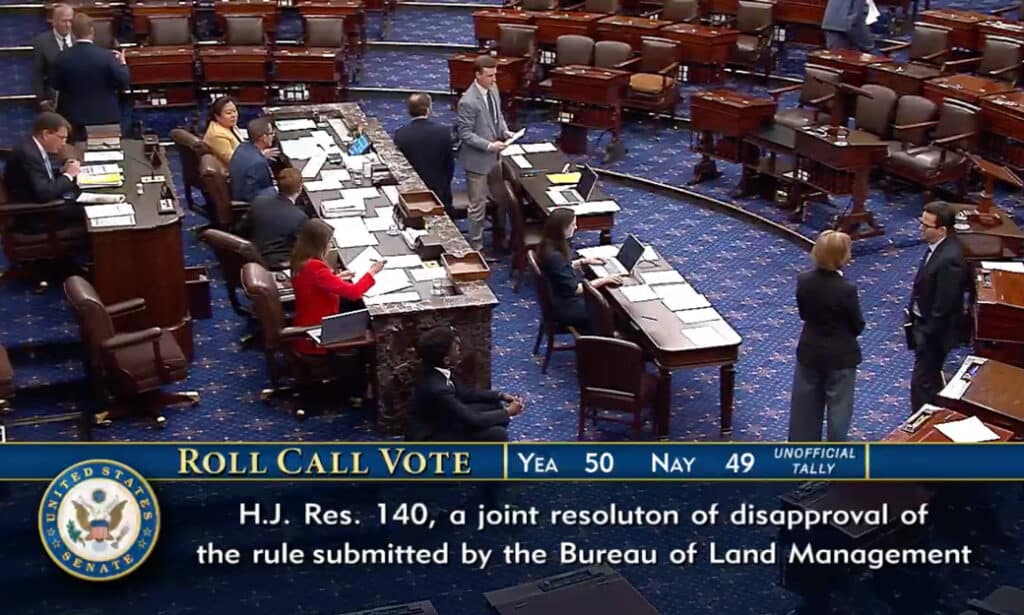
The Trump administration and Rep. Pete Stauber are using the Congressional Review Act in an unprecedented effort to undo a 20-year mineral leasing withdrawal in the Superior National Forest. Critics warn the move sets a dangerous precedent and threatens the Boundary Waters watershed.
Ely has many great trail systems, some of which are especially fun in the winter. A favorite winter hike is the Secret Blackstone Trail. Located near Moose Lake, quiet trails loop around scenic lakes flanked by thick woods. It has a wilderness feel, though it’s not far from town. Here’s what you’ll need to know before you go. Â
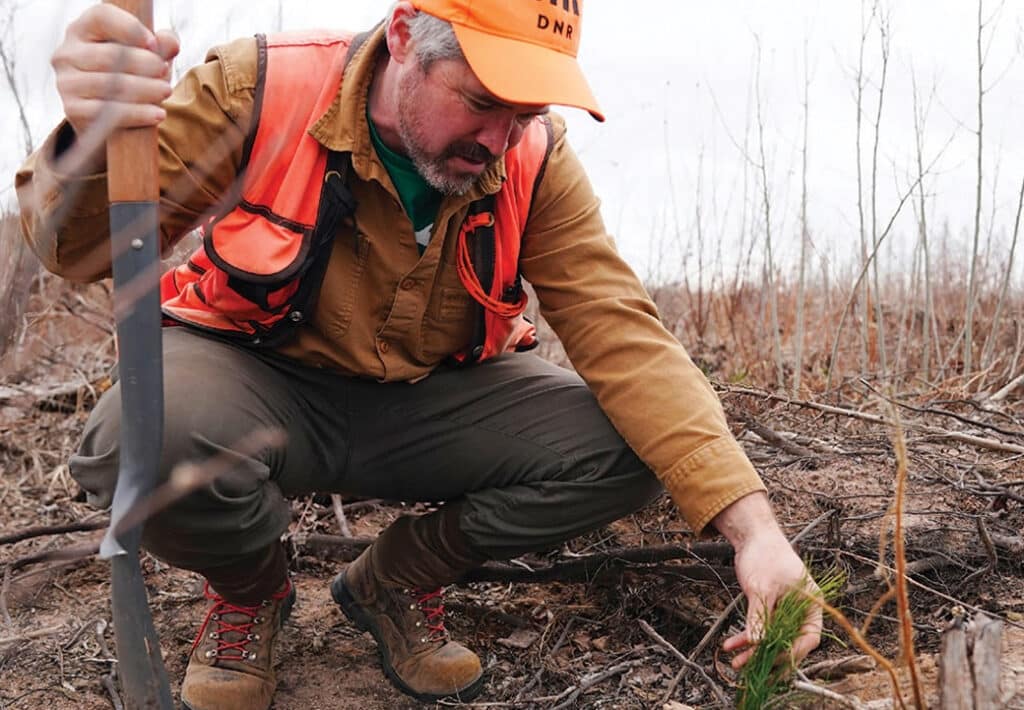
To promote diversity and support the reforestation of Minnesota forests, the Minnesota Department of Natural Resources urges individuals to collect black spruce cones this winter. Foresters at the State Forest Nursery will receive some of these cones, extract seeds, and grow seedlings.
The USFS has updated the regulations concerning food storage in the Boundary Waters Canoe Area Wilderness. Hanging items in a tree or using approved bear-resistant containers has been a part of the regulations and rules, and now violations can bring penalties. Learn how to hang a food pack from a tree and travel safely through bear habitat.
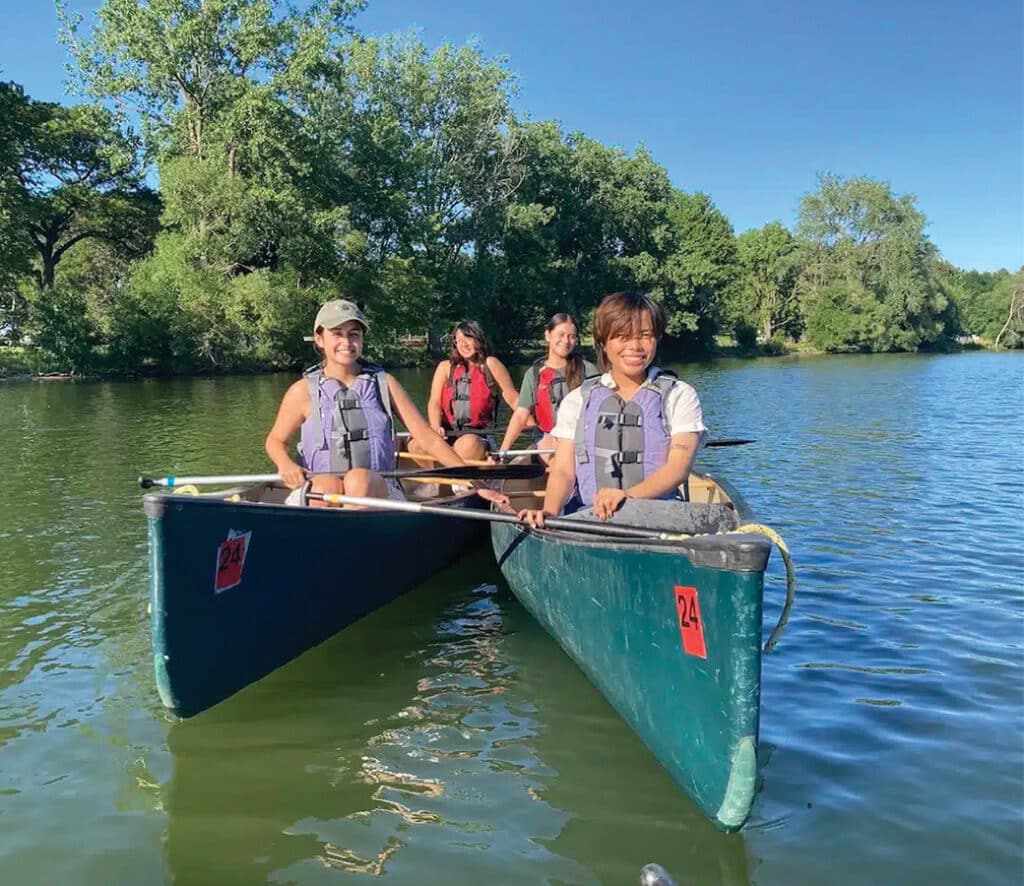
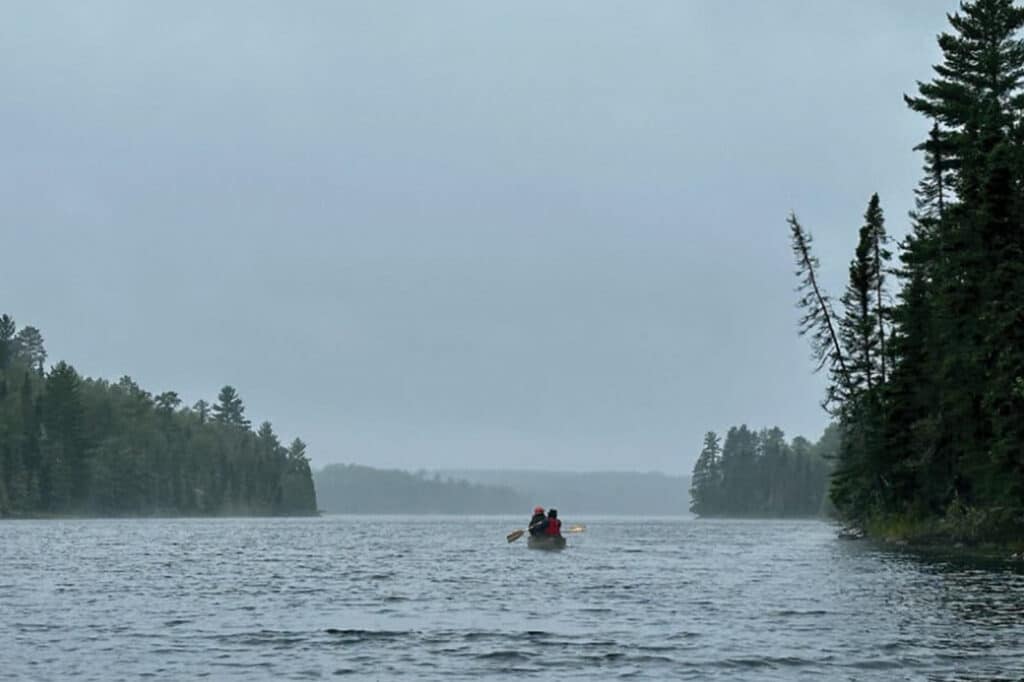
Permit reservations open on Jan 28. Planning a trip to the BWCA and not sure where to start? Here are a few tips to help plan your canoe trip and secure your permit so you can create memories that last a lifetime.
The Minnesota DNR has approved a plan by Franconia Minerals, a Twin Metals Minnesota subsidiary, to drill for metallic minerals near Birch Lake, about nine miles south of Ely. The approval allows 19 exploratory drill sites along the shoreline and beneath the lake, which drains into the BWCA—prompting concerns about pollution risks to the protected watershed.